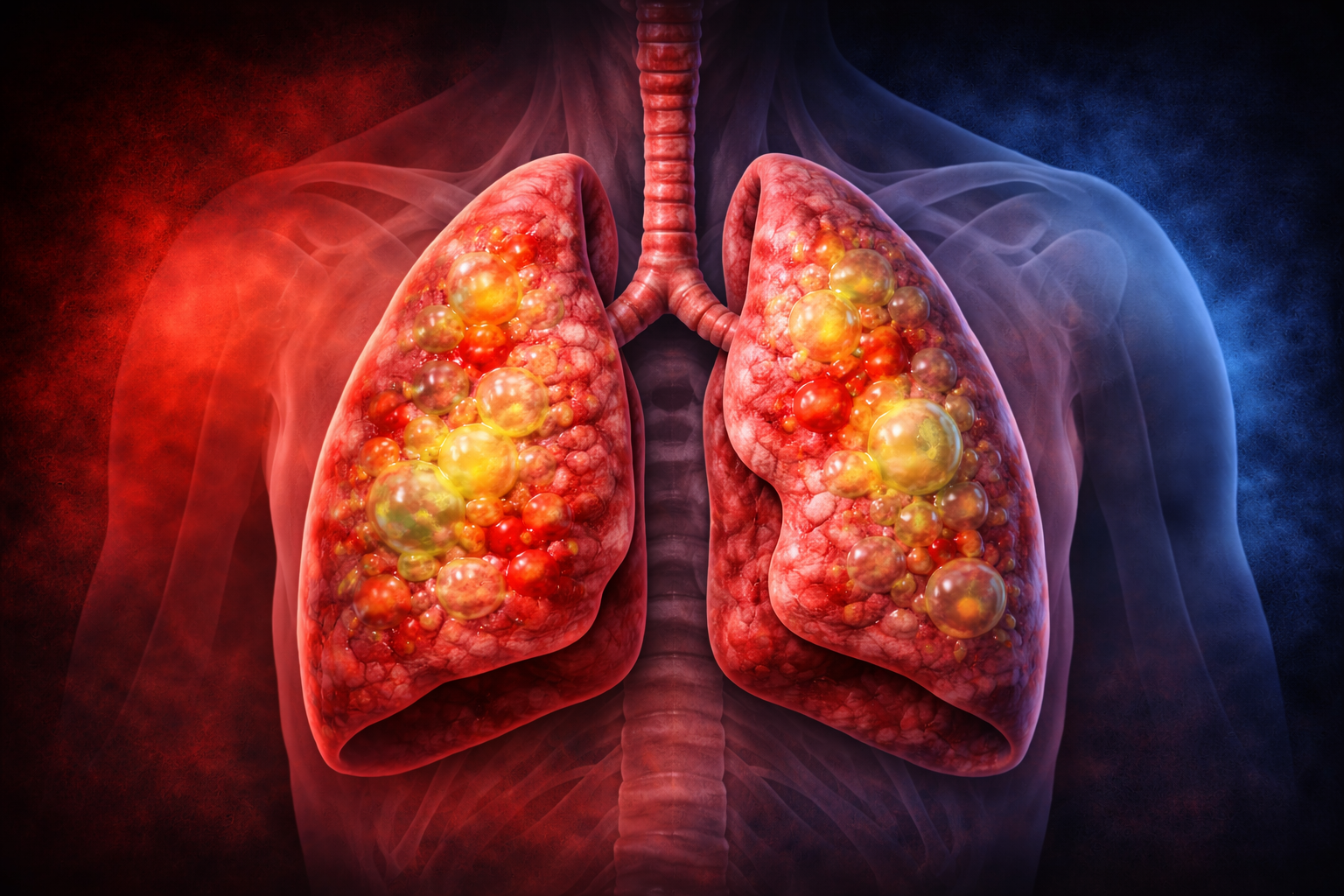
Birth asphyxia is a serious medical condition that occurs when a newborn baby does not receive enough oxygen before, during, or immediately after birth. Lack of oxygen can affect vital organs, especially the brain, and may lead to short-term or long-term complications. Early recognition and prompt treatment are critical to improving outcomes.
What Is Birth Asphyxia?
Birth asphyxia refers to insufficient oxygen supply and reduced blood flow to a baby’s organs around the time of delivery. This condition can result in hypoxic-ischemic encephalopathy (HIE), a form of brain injury caused by oxygen deprivation.
Causes of Birth Asphyxia
Birth asphyxia can result from several maternal, placental, or neonatal factors, including:
Maternal Causes
- Severe maternal anemia
- High blood pressure or pre-eclampsia
- Diabetes or infections during pregnancy
Placental and Umbilical Causes
- Placental abruption
- Placenta previa
- Umbilical cord prolapse or compression
Labor and Delivery Causes
- Prolonged or difficult labor
- Obstructed delivery
- Fetal distress during labor
- Use of anesthesia or sedatives
Symptoms of Birth Asphyxia
Signs of birth asphyxia may appear immediately after birth and include:
- Weak or absent cry
- Difficulty breathing or no breathing
- Low heart rate
- Bluish skin color (cyanosis)
- Poor muscle tone
- Seizures in severe cases
Diagnosis of Birth Asphyxia
Diagnosis is based on clinical findings and investigations such as:
- Low Apgar score at 1 and 5 minutes
- Blood gas analysis showing low oxygen levels
- Neurological examination
- Brain imaging (ultrasound, MRI)
- Monitoring of vital signs
Treatment and Management of Birth Asphyxia
Treatment depends on the severity of oxygen deprivation and aims to restore oxygen supply and prevent organ damage.
Immediate Management
- Neonatal resuscitation
- Oxygen therapy or assisted ventilation
- Temperature control
Advanced Care
- Therapeutic hypothermia (cooling therapy) in eligible babies
- Seizure control medications
- Intensive neonatal care monitoring
Possible Complications
If severe or untreated, birth asphyxia may lead to:
- Developmental delay
- Cerebral palsy
- Learning difficulties
- Epilepsy
- Organ damage (heart, kidneys)
Prevention of Birth Asphyxia
Many cases can be prevented through:
- Proper antenatal care
- Skilled birth attendance
- Timely management of labor complications
- Continuous fetal monitoring during delivery
When to Seek Medical Help
Immediate medical attention is required if a newborn:
- Does not cry or breathe properly at birth
- Appears limp or unresponsive
- Has seizures or abnormal movements
Prognosis and Long-Term Outlook
The outcome of birth asphyxia varies depending on severity and promptness of treatment. Mild cases may recover completely, while severe cases require long-term follow-up and rehabilitation.
Conclusion
Birth asphyxia is a medical emergency in newborns that requires rapid diagnosis and expert care. With early intervention, advanced neonatal support, and proper follow-up, many affected babies can achieve improved health outcomes.