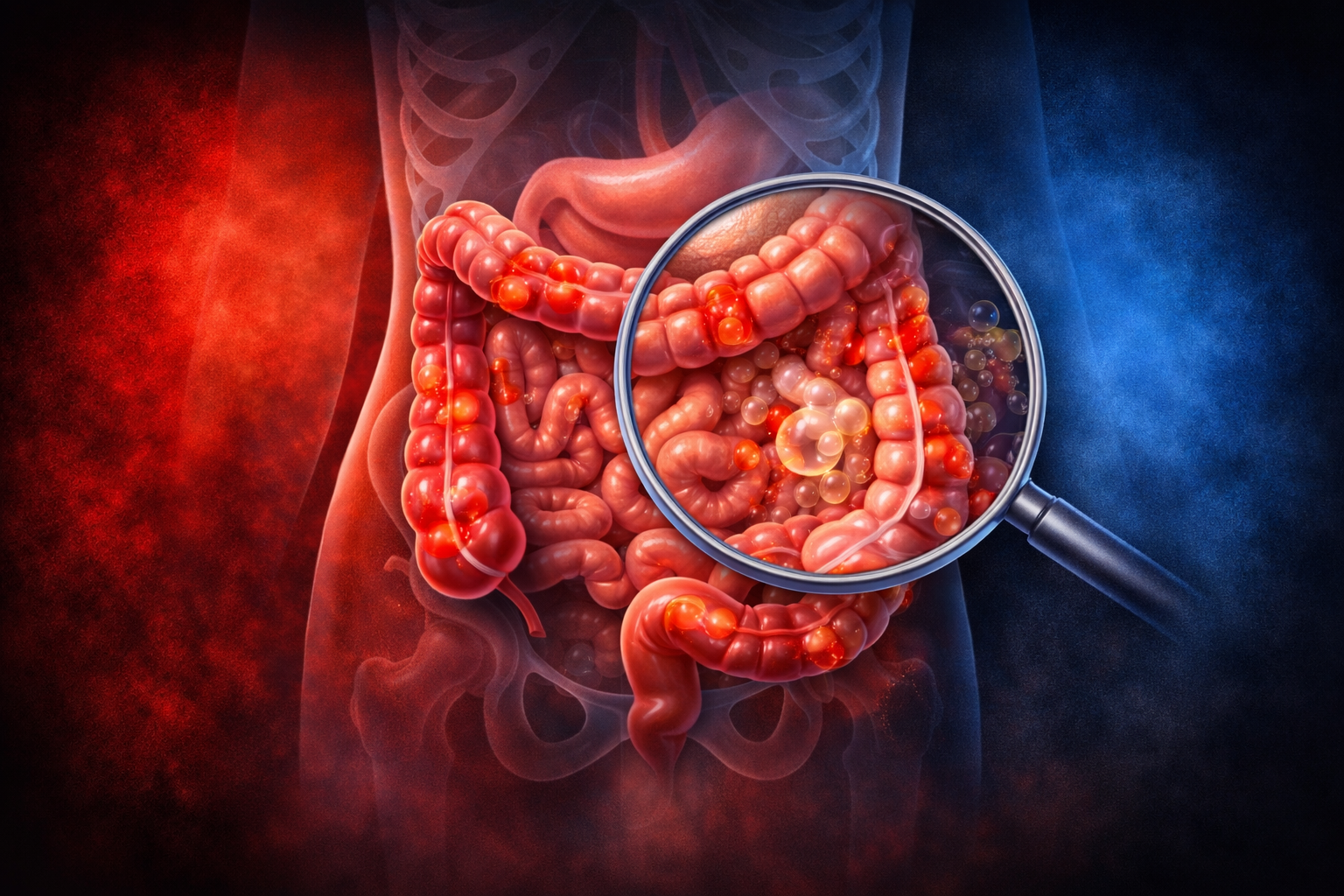
Irritable Bowel Syndrome (IBS) is a common functional gastrointestinal disorder that affects the large intestine. It is characterized by recurring abdominal pain, bloating, and changes in bowel habits such as diarrhea or constipation. Although IBS is a chronic condition, it does not cause permanent damage to the intestines and can be effectively managed with lifestyle changes and medical care.
What Is Irritable Bowel Syndrome?
IBS is a disorder of the gut–brain interaction, meaning the digestive tract appears normal but does not function properly. People with IBS often have a sensitive digestive system that reacts strongly to certain foods, stress, or hormonal changes.
Types of IBS
IBS is classified into different types based on bowel habits:
1. IBS-D (Diarrhea-predominant)
- Frequent loose or watery stools
- Urgency to pass stool
2. IBS-C (Constipation-predominant)
- Hard, infrequent stools
- Difficulty passing stool
3. IBS-M (Mixed type)
- Alternating diarrhea and constipation
4. IBS-U (Unclassified)
- Symptoms do not fit clearly into other categories
Causes of IBS
The exact cause of IBS is unknown, but several factors may contribute:
- Abnormal gut motility
- Increased sensitivity of intestinal nerves
- Stress, anxiety, or depression
- Gastrointestinal infections
- Changes in gut microbiota
- Food intolerances
Common Symptoms of IBS
Symptoms vary from person to person and may include:
- Abdominal pain or cramping
- Bloating and gas
- Diarrhea, constipation, or both
- Mucus in stool
- Feeling of incomplete bowel movement
- Symptoms often worsen during stress
Diagnosis of IBS
There is no single test for IBS. Diagnosis is usually based on:
- Detailed medical history
- Rome IV criteria for IBS
- Physical examination
- Blood tests or stool tests to rule out other conditions
- Colonoscopy in selected cases, especially in older patients
Treatment and Management of IBS
IBS management focuses on symptom relief and improving quality of life.
Dietary Modifications
- Eat small, regular meals
- Avoid trigger foods (fatty foods, caffeine, carbonated drinks)
- Increase fiber intake gradually (especially for IBS-C)
- Low-FODMAP diet may help many patients
Lifestyle Changes
- Regular physical activity
- Stress management techniques such as yoga or meditation
- Adequate sleep
Medications
- Antispasmodics for abdominal pain
- Laxatives for constipation
- Anti-diarrheal medicines for IBS-D
- Probiotics to improve gut health
Complications of IBS
IBS does not cause serious complications like cancer, but it can:
- Affect daily activities
- Reduce work productivity
- Impact mental health and quality of life
When to See a Doctor
Seek medical advice if you experience:
- Unexplained weight loss
- Blood in stool
- Persistent or worsening symptoms
- Symptoms starting after age 50
Prevention Tips
While IBS cannot always be prevented, symptoms can be reduced by:
- Identifying and avoiding trigger foods
- Managing stress effectively
- Maintaining a balanced diet
- Following prescribed treatment plans
Conclusion
Irritable Bowel Syndrome is a long-term but manageable condition. With proper dietary choices, lifestyle adjustments, and medical guidance, most people with IBS can lead a healthy and active life. Early diagnosis and personalized treatment play a key role in controlling symptoms.