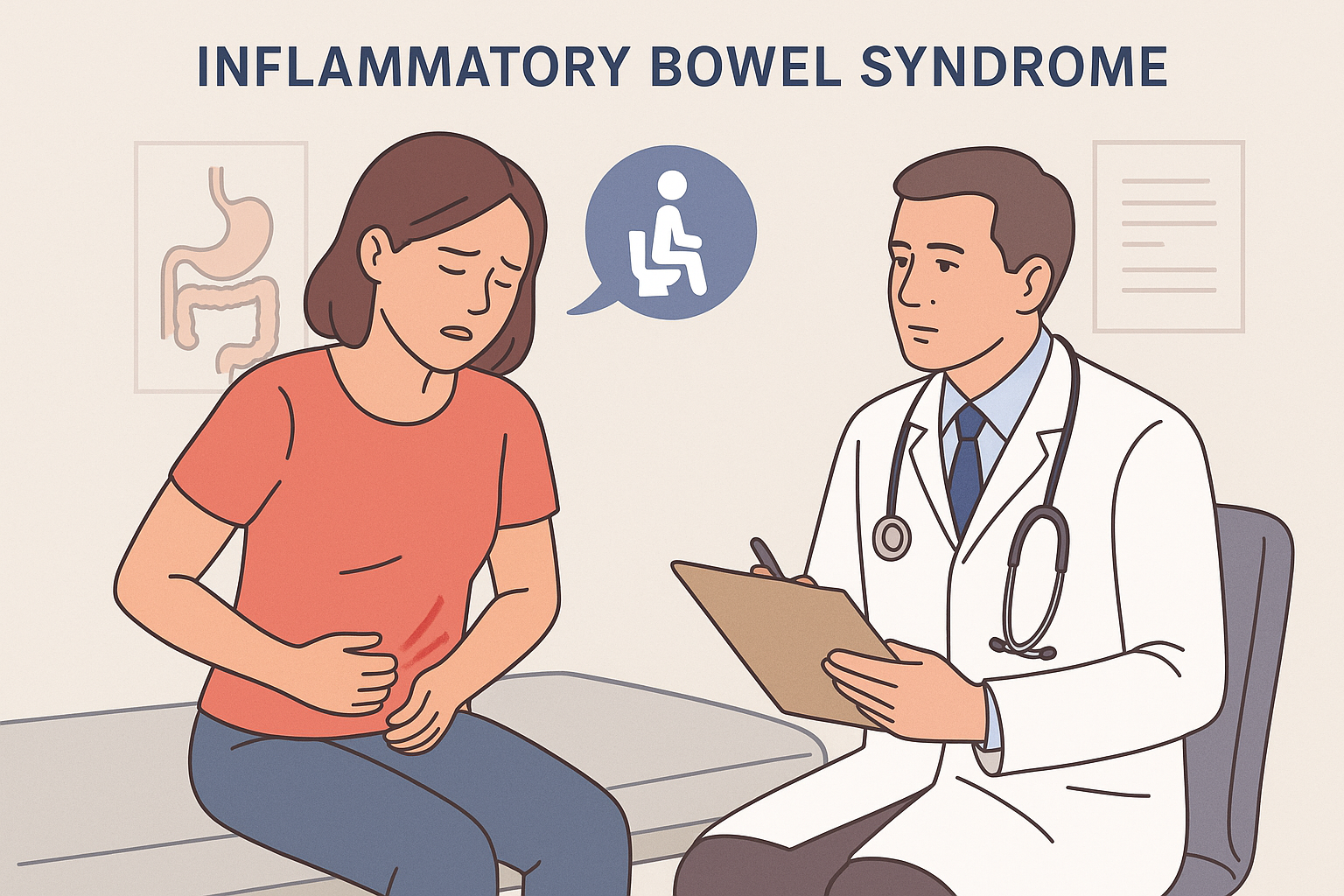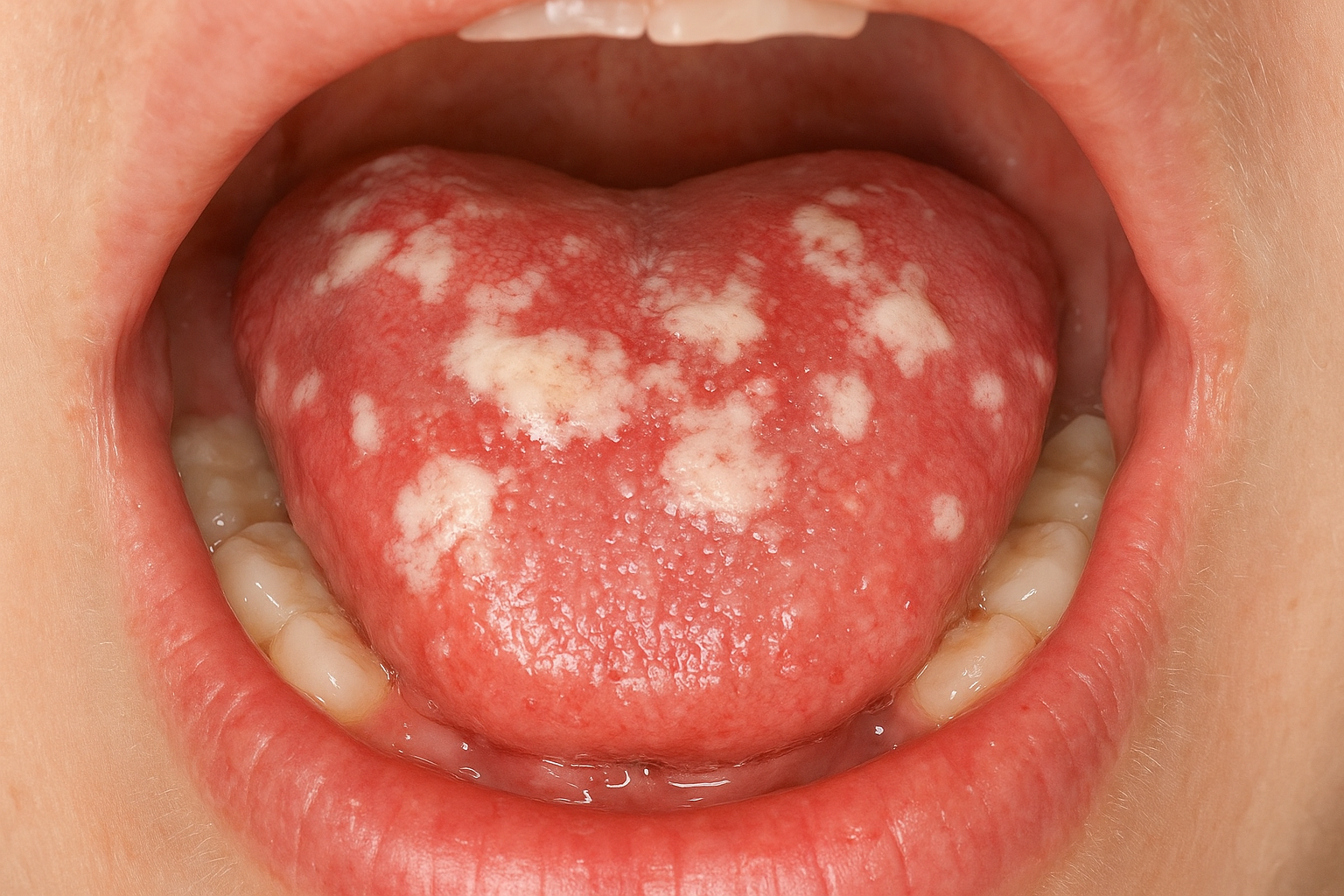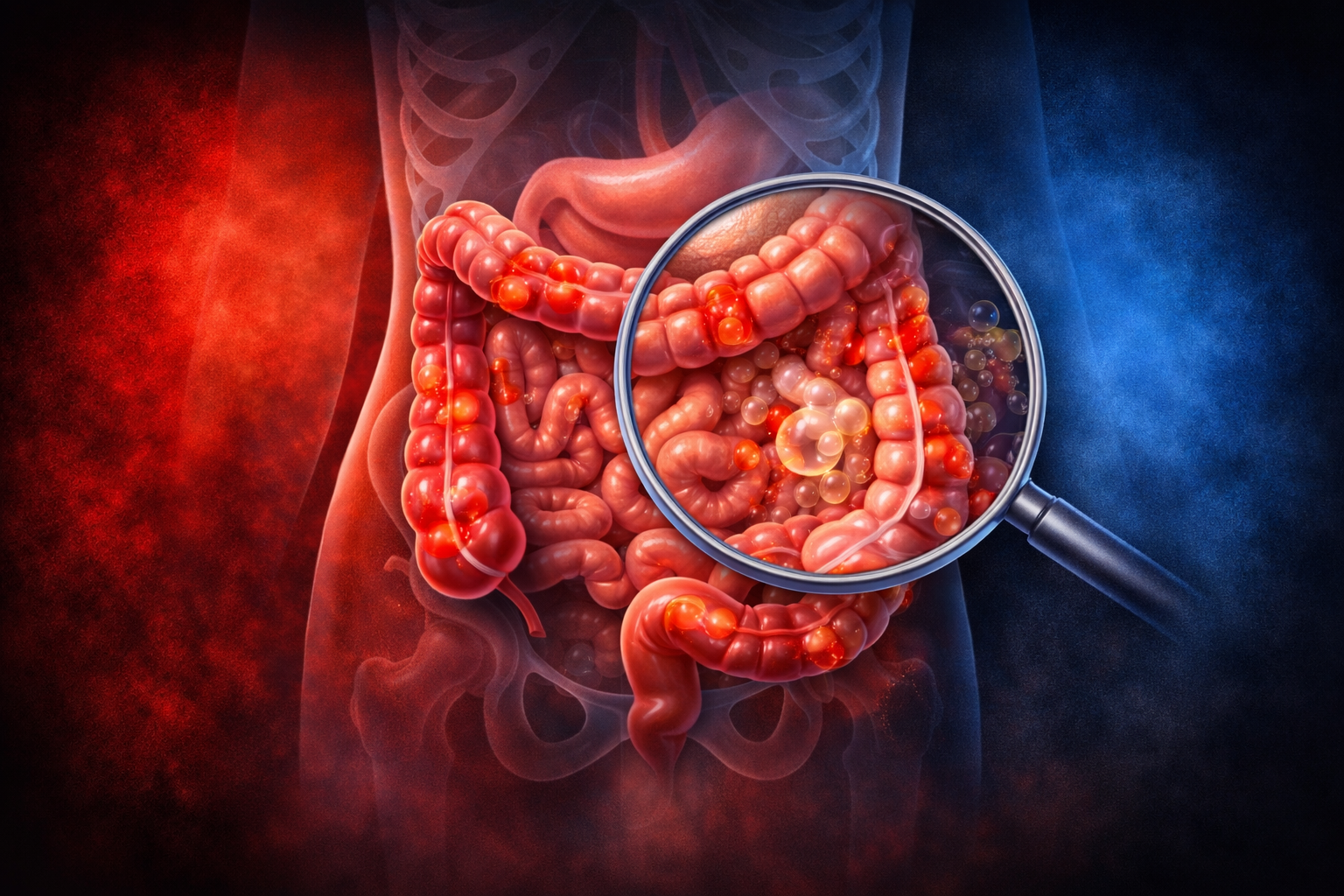
Crohn’s disease is a chronic inflammatory bowel disease (IBD) that causes long-term inflammation of the digestive tract. It can affect any part of the gastrointestinal tract, from the mouth to the anus, but most commonly involves the small intestine and colon. Crohn’s disease often follows a relapsing and remitting course, meaning symptoms may flare up and then improve with treatment.
What Is Crohn’s Disease?
Crohn’s disease is an immune-mediated condition in which the body’s immune system mistakenly attacks the digestive tract, leading to inflammation. Unlike ulcerative colitis, Crohn’s disease can affect all layers of the bowel wall and may involve multiple separated areas of the intestine.
Types of Crohn’s Disease
Crohn’s disease is classified based on the affected area:
1. Ileitis
- Affects the ileum (end of the small intestine)
- Causes abdominal pain and diarrhea
2. Ileocolitis
- Most common type
- Involves both ileum and colon
3. Colitis
- Limited to the colon
- May cause bloody diarrhea
4. Gastroduodenal Crohn’s Disease
- Affects the stomach and duodenum
- Causes nausea and vomiting
5. Jejunoileitis
- Patchy inflammation in the small intestine
Causes of Crohn’s Disease
The exact cause is unknown, but several factors play a role:
- Abnormal immune response
- Genetic susceptibility
- Environmental factors
- Altered gut bacteria
- Smoking (major risk factor)
Symptoms of Crohn’s Disease
Symptoms vary depending on severity and affected area:
- Chronic diarrhea
- Abdominal pain and cramping
- Weight loss
- Fatigue
- Loss of appetite
- Blood in stool (in some cases)
- Fever during active disease
Diagnosis of Crohn’s Disease
Diagnosis involves a combination of tests:
- Blood tests to detect inflammation and anemia
- Stool tests to rule out infections
- Colonoscopy with biopsy
- CT scan or MRI enterography
- Capsule endoscopy in selected cases
Treatment Options for Crohn’s Disease
Treatment aims to reduce inflammation, control symptoms, and maintain remission.
Medications
- Aminosalicylates
- Corticosteroids for acute flare-ups
- Immunosuppressive drugs
- Biologic therapies for moderate to severe disease
Dietary and Lifestyle Management
- Avoid trigger foods
- Eat small, frequent meals
- Stay hydrated
- Quit smoking
- Manage stress
Surgery
- Required when complications occur
- Does not cure Crohn’s disease but helps relieve symptoms
Complications of Crohn’s Disease
Without proper management, Crohn’s disease may lead to:
- Intestinal strictures
- Fistulas
- Abscesses
- Malnutrition
- Increased risk of colorectal cancer
When to See a Doctor
Seek medical advice if you experience:
- Persistent diarrhea
- Severe abdominal pain
- Unexplained weight loss
- Fever or blood in stool
Living With Crohn’s Disease
With modern treatment options and regular follow-up, many people with Crohn’s disease can maintain a good quality of life. Early diagnosis and long-term care are essential to prevent complications.
Conclusion
Crohn’s disease is a chronic but manageable inflammatory bowel condition. A combination of medical therapy, dietary adjustments, and lifestyle changes can help control symptoms and improve overall health. Regular monitoring and personalized treatment are key to long-term disease control.