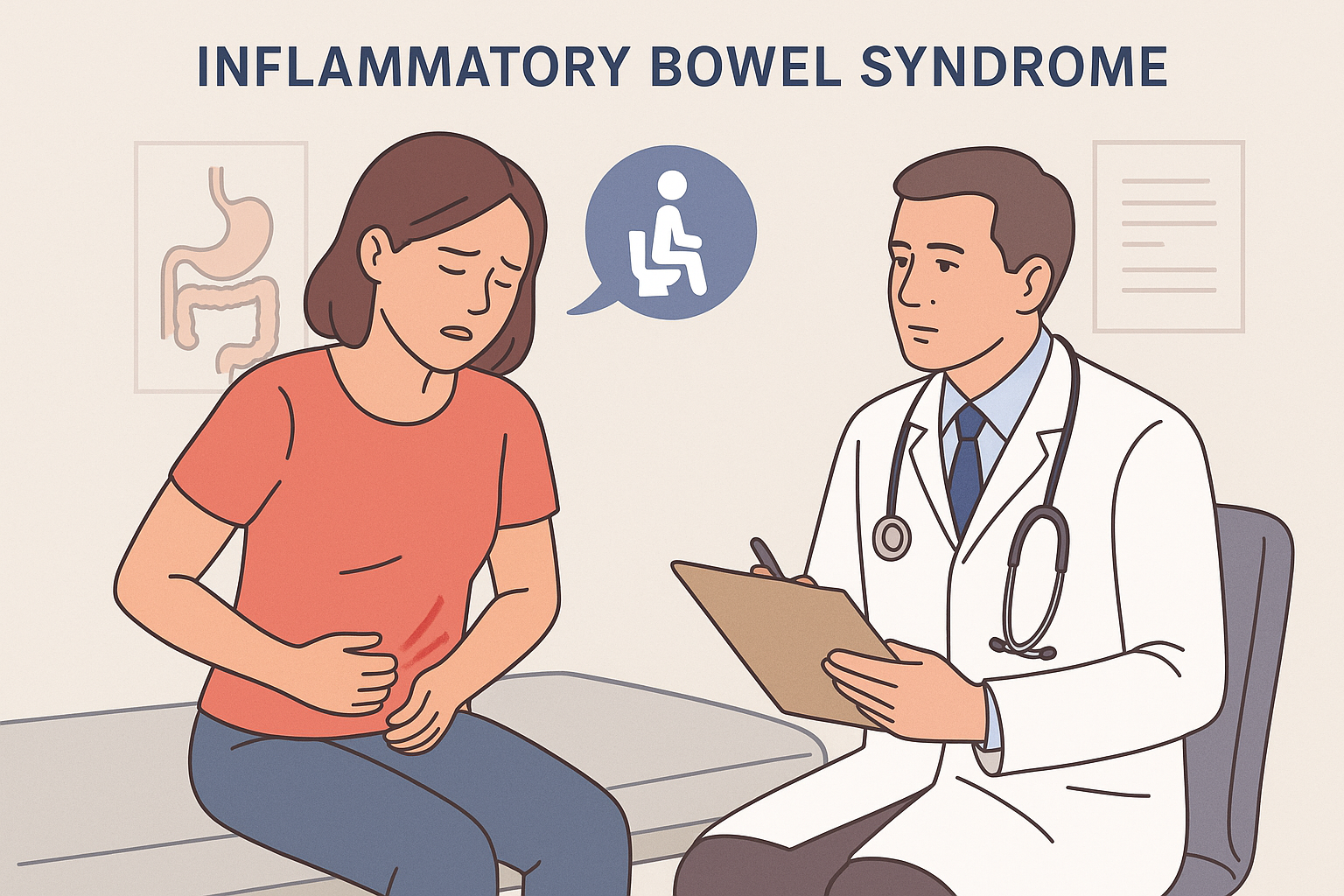
Ulcerative colitis (UC) is a chronic inflammatory bowel disease (IBD) that affects the lining of the large intestine (colon) and rectum. It causes long-term inflammation and ulcers in the digestive tract, leading to discomfort and digestive problems. Although ulcerative colitis has no permanent cure, early diagnosis and proper treatment can help control symptoms and improve quality of life.
What Is Ulcerative Colitis?
Ulcerative colitis is an autoimmune condition in which the body’s immune system mistakenly attacks the colon lining. Unlike Crohn’s disease, ulcerative colitis affects only the colon and rectum and spreads continuously rather than in patches.
Types of Ulcerative Colitis
Ulcerative colitis is classified based on the location of inflammation:
1. Ulcerative Proctitis
- Affects only the rectum
- Mildest form
- Symptoms include rectal bleeding and urgency
2. Left-Sided Colitis
- Inflammation extends from rectum to left colon
- Causes abdominal pain, diarrhea, and weight loss
3. Extensive Colitis (Pancolitis)
- Involves the entire colon
- More severe symptoms and higher complication risk
Causes of Ulcerative Colitis
The exact cause is unknown, but contributing factors include:
- Immune system dysfunction
- Genetic predisposition
- Environmental triggers
- Gut microbiome imbalance
- Stress (may worsen symptoms but not a direct cause)
Symptoms of Ulcerative Colitis
Symptoms can range from mild to severe and may include:
- Chronic diarrhea
- Blood or mucus in stool
- Abdominal pain and cramping
- Urgency to pass stool
- Fatigue
- Weight loss
- Fever in severe cases
Diagnosis of Ulcerative Colitis
Diagnosis is based on clinical evaluation and investigations such as:
- Blood tests (to detect inflammation or anemia)
- Stool tests (to rule out infection)
- Colonoscopy with biopsy (gold standard)
- CT scan or MRI in selected cases
Treatment Options for Ulcerative Colitis
Treatment aims to reduce inflammation, induce remission, and prevent flare-ups.
Medications
- Aminosalicylates (5-ASA) to control inflammation
- Corticosteroids for moderate to severe flare-ups
- Immunomodulators to suppress immune response
- Biologic therapies for severe or resistant disease
Dietary and Lifestyle Management
- Avoid trigger foods (spicy, fatty, dairy if intolerant)
- Eat small, frequent meals
- Stay hydrated
- Manage stress through relaxation techniques
Surgery
- Required in severe cases or complications
- Removal of colon can be curative
Possible Complications
If untreated, ulcerative colitis may lead to:
- Severe bleeding
- Colon perforation
- Increased risk of colon cancer
- Toxic megacolon
- Malnutrition
When to See a Doctor
Seek medical attention if you experience:
- Persistent bloody diarrhea
- Severe abdominal pain
- Fever with bowel symptoms
- Unexplained weight loss
Living With Ulcerative Colitis
With regular follow-ups, medication adherence, and lifestyle changes, many people with ulcerative colitis can live a normal and productive life. Early treatment significantly reduces complications.
Conclusion
Ulcerative colitis is a chronic but manageable inflammatory bowel disease. Timely diagnosis, proper medical treatment, and lifestyle modifications play a vital role in controlling symptoms and maintaining long-term remission.