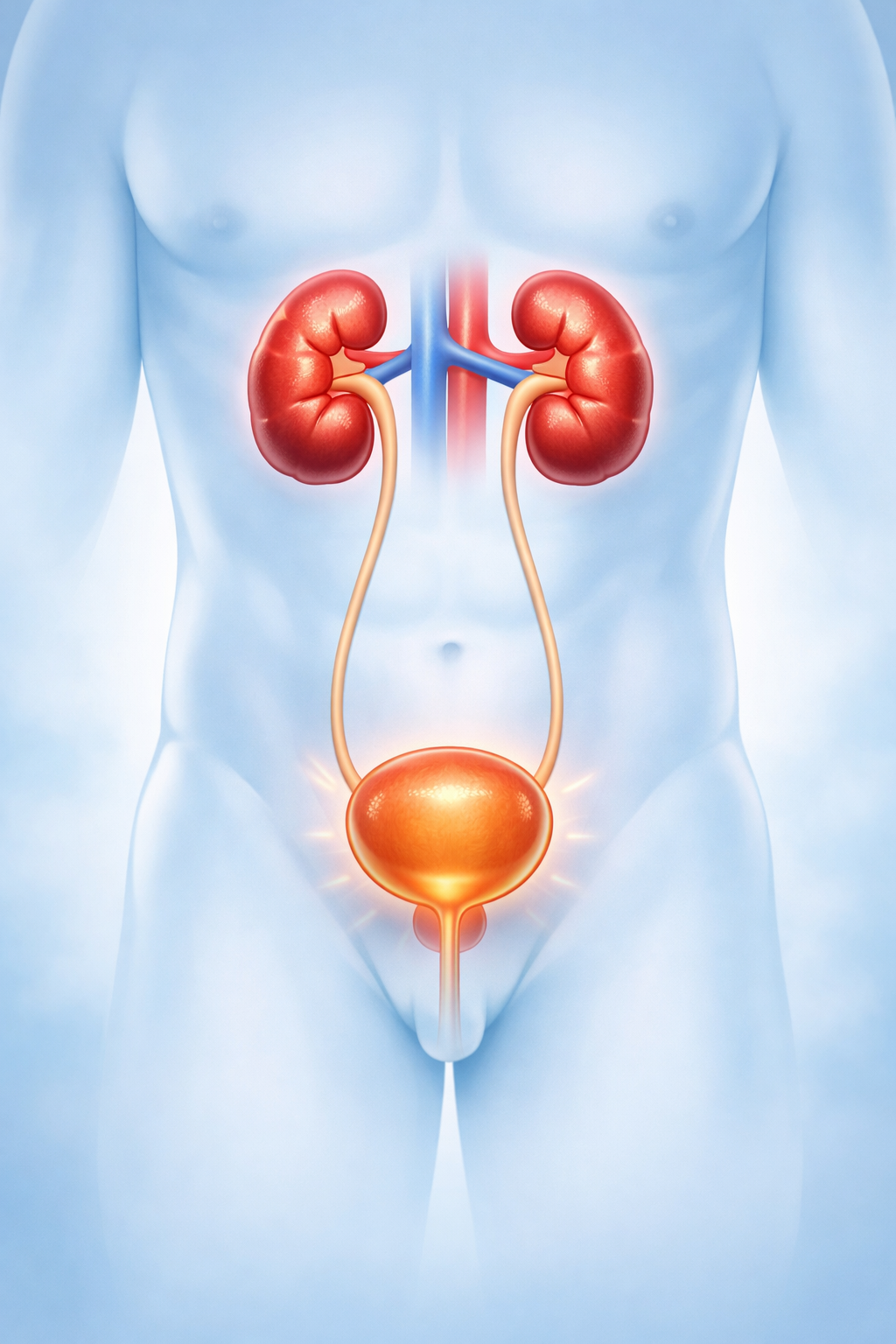
Frequent urination, medically known as polyuria, refers to the need to pass urine more often than usual. While normal urination varies from person to person, passing urine more than 7–8 times a day or waking up repeatedly at night to urinate may indicate an underlying health issue. Increased urine repetition is a common complaint in both men and women and should not be ignored, especially if it affects daily life or sleep.
What Is Frequent Urination?
Frequent urination means producing urine more often than normal, sometimes in small amounts. It may occur during the day, at night (nocturia), or both. In some cases, it is temporary, but persistent symptoms often point to medical conditions that need evaluation.
Common Causes of Increased Urine Repetition
Several factors can lead to frequent urination, including:
1. Diabetes Mellitus
High blood sugar levels cause the kidneys to remove excess glucose through urine, leading to increased urination and excessive thirst.
2. Urinary Tract Infection (UTI)
UTIs irritate the bladder lining, causing a frequent urge to urinate, often accompanied by burning or pain.
3. Excess Fluid or Caffeine Intake
Drinking large amounts of water, tea, coffee, or carbonated drinks can temporarily increase urine frequency.
4. Prostate Problems (in Men)
An enlarged prostate can press on the bladder and urethra, resulting in frequent urination, weak urine stream, and difficulty emptying the bladder.
5. Overactive Bladder
This condition causes sudden and uncontrollable urges to urinate, even when the bladder is not full.
6. Pregnancy
Hormonal changes and pressure on the bladder during pregnancy often increase urination frequency.
7. Medications
Diuretics and some blood pressure medicines increase urine production.
8. Kidney or Bladder Disorders
Stones, inflammation, or tumors can also lead to frequent urination.
Symptoms Associated with Frequent Urination
- Urinating more often than usual
- Sudden urge to urinate
- Passing small amounts of urine
- Burning or pain during urination
- Night-time urination (nocturia)
- Increased thirst or fatigue
When to See a Doctor
Consult a healthcare professional if frequent urination is:
- Persistent or worsening
- Associated with pain, fever, or blood in urine
- Accompanied by unexplained weight loss or excessive thirst
- Disturbing sleep or daily activities
Early diagnosis helps prevent complications and ensures proper treatment.
Diagnosis of Frequent Urination
Doctors may recommend:
- Urine routine examination
- Blood sugar tests
- Ultrasound of kidneys, bladder, or prostate
- Kidney function tests
- PSA test (for men, if prostate issues are suspected)
Treatment Options
Treatment depends on the underlying cause:
- Diabetes control through diet, exercise, and medication
- Antibiotics for urinary tract infections
- Lifestyle changes, such as reducing caffeine and fluid intake before bedtime
- Bladder training exercises
- Medications for overactive bladder or prostate enlargement
Prevention Tips
- Maintain good blood sugar control
- Avoid excessive caffeine and alcohol
- Drink adequate but not excessive water
- Practice good hygiene
- Empty your bladder completely when urinating
Conclusion
Frequent urination is a common but important symptom that may signal underlying health problems such as diabetes, infections, or urinary system disorders. Paying attention to early signs and seeking medical advice can help in timely diagnosis and effective treatment. If increased urine repetition is affecting your quality of life, do not ignore it—proper care can make a significant difference.