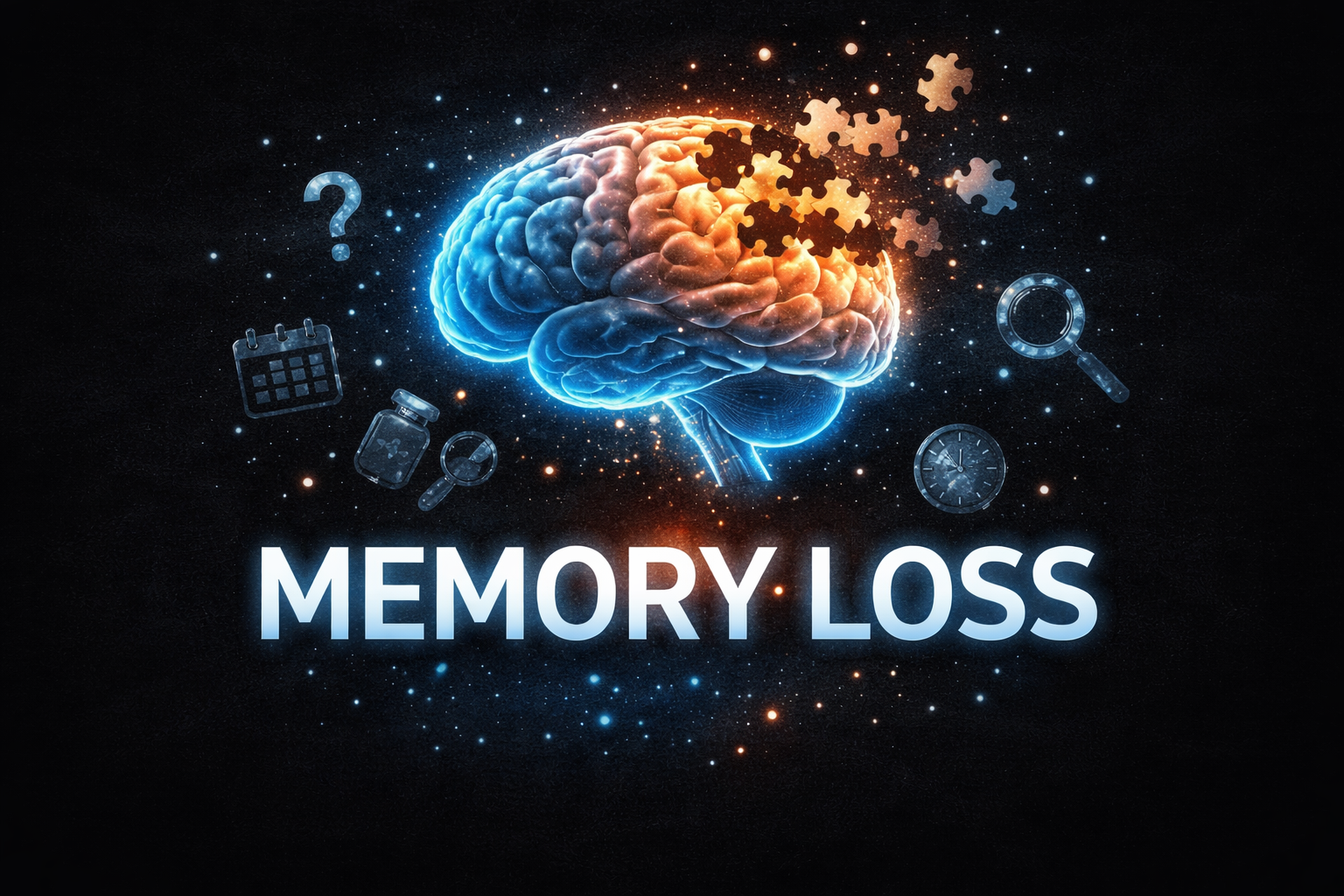
Memory loss is a growing health concern affecting people of all ages, especially older adults. It can range from mild forgetfulness, such as misplacing everyday items, to severe memory impairment that disrupts daily life. Understanding the causes, symptoms, and preventive strategies of memory loss can help individuals take timely action and maintain brain health.
What Is Memory Loss?
Memory loss refers to the inability to remember information, experiences, or events. While occasional forgetfulness is normal, persistent or worsening memory problems may indicate an underlying medical or neurological condition.
Common Causes of Memory Loss
Memory loss can occur due to various physical, psychological, and lifestyle-related factors, including:
1. Aging
Normal aging may slow memory recall, but it should not significantly affect daily functioning.
2. Stress and Anxiety
Chronic stress can interfere with concentration and memory formation.
3. Sleep Deprivation
Poor sleep quality affects brain function and memory consolidation.
4. Nutritional Deficiencies
Deficiency of vitamin B12, vitamin D, and folic acid can contribute to memory problems.
5. Medical Conditions
- Alzheimer’s disease
- Dementia
- Stroke
- Brain injury
- Thyroid disorders
- Depression
6. Medications
Certain medications, such as sedatives, antidepressants, and antihistamines, may affect memory as a side effect.
Symptoms of Memory Loss
Common signs of memory loss include:
- Frequently forgetting recent events or conversations
- Difficulty concentrating or learning new information
- Misplacing items regularly
- Repeating questions or statements
- Confusion about time or place
- Trouble performing familiar tasks
If these symptoms worsen or interfere with daily life, medical evaluation is essential.
Diagnosis of Memory Loss
Doctors may use several methods to diagnose memory-related problems, such as:
- Medical history and physical examination
- Cognitive and memory tests
- Blood tests to detect vitamin deficiencies or infections
- Brain imaging (MRI or CT scan)
Early diagnosis can help manage the condition more effectively.
Treatment Options for Memory Loss
Treatment depends on the underlying cause and may include:
Medications
Certain medicines can help slow memory decline in conditions like Alzheimer’s disease.
Lifestyle Modifications
- Regular physical exercise
- Balanced and nutritious diet
- Adequate sleep
- Stress management
Cognitive Therapy
Brain exercises, puzzles, and memory training can improve cognitive function.
Managing Medical Conditions
Proper control of diabetes, hypertension, and cholesterol helps protect brain health.
Tips to Prevent Memory Loss
You can reduce the risk of memory loss by adopting healthy habits:
- Eat a brain-healthy diet rich in fruits, vegetables, whole grains, and omega-3 fatty acids
- Stay mentally active with reading, puzzles, and learning new skills
- Exercise regularly to improve blood flow to the brain
- Maintain social connections
- Avoid smoking and excessive alcohol consumption
When to See a Doctor
Seek medical advice if memory loss:
- Is sudden or rapidly worsening
- Affects daily activities
- Is accompanied by confusion, mood changes, or personality changes
Early medical attention can make a significant difference.
Conclusion
Memory loss is not always a normal part of aging and should never be ignored. Identifying the cause early, adopting a healthy lifestyle, and seeking medical care can help preserve memory and improve quality of life. By taking proactive steps, individuals can protect their brain health and maintain mental sharpness for years to come.