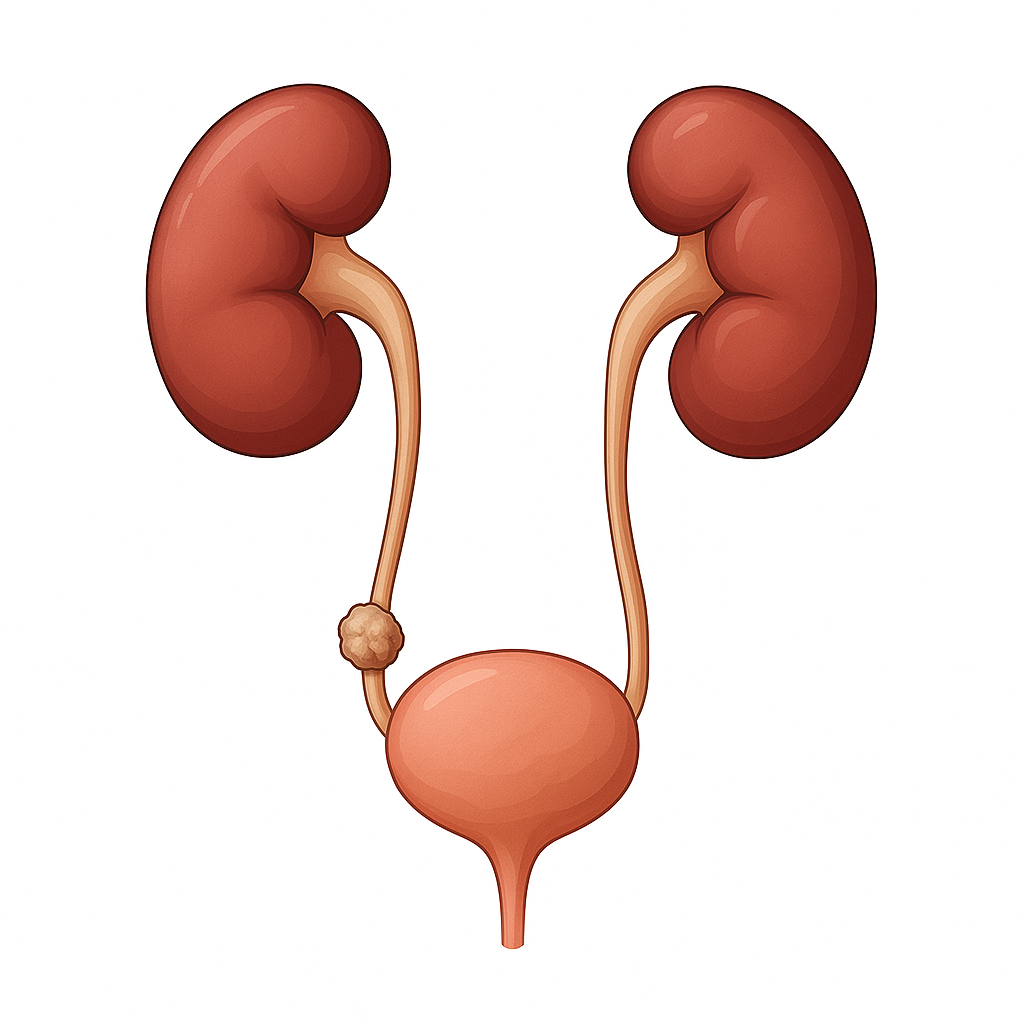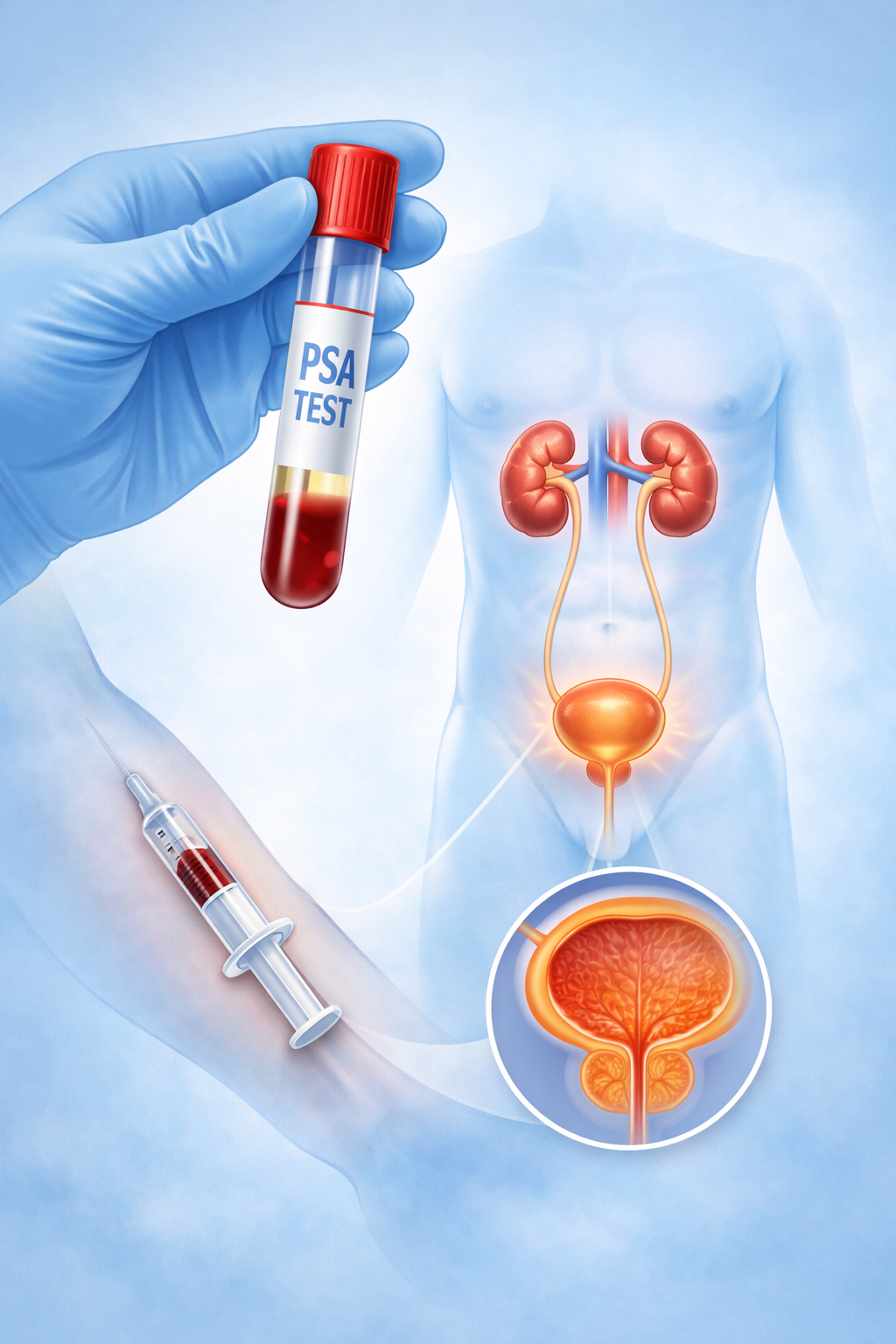
The PSA test (Prostate-Specific Antigen test) is a simple blood test used to evaluate prostate health in men. It helps in the early detection of prostate conditions such as prostate enlargement, prostatitis, and prostate cancer. As prostate problems become more common with increasing age, the PSA test plays a crucial role in timely diagnosis and treatment.
What Is a PSA Test?
PSA (Prostate-Specific Antigen) is a protein produced by the prostate gland. Normally, small amounts of PSA are present in the blood. When the prostate is enlarged, inflamed, or affected by cancer, PSA levels may rise.
The PSA test measures the level of this antigen in the blood and helps doctors assess prostate health.
Why Is the PSA Test Done?
Doctors recommend a PSA test for several reasons, including:
- Screening for prostate cancer
- Evaluating symptoms like difficulty in urination
- Monitoring prostate enlargement (Benign Prostatic Hyperplasia – BPH)
- Assessing prostate inflammation or infection (prostatitis)
- Monitoring response to prostate cancer treatment
Symptoms That May Require a PSA Test
A PSA test may be advised if a person experiences:
- Frequent or difficult urination
- Weak urine stream
- Night-time urination (nocturia)
- Pain during urination
- Blood in urine or semen
- Pelvic or lower back pain
PSA Test Procedure
The PSA test is a simple blood test:
- A blood sample is taken from a vein in the arm
- No anesthesia or hospital admission is required
- The test usually takes only a few minutes
Results are typically available within a short time.
Normal PSA Levels
PSA levels can vary with age. Generally:
- 0–4 ng/mL: Considered normal
- 4–10 ng/mL: Borderline (may need further evaluation)
- Above 10 ng/mL: Higher risk of prostate disease
⚠️ PSA levels may increase due to non-cancerous causes, so high PSA does not always mean cancer.
Causes of High PSA Levels
Elevated PSA levels may be seen in:
- Prostate cancer
- Benign prostate enlargement (BPH)
- Prostatitis (prostate infection)
- Recent urinary catheterization
- Ejaculation or prostate examination before testing
Preparation Before PSA Test
For accurate results, patients are advised to:
- Avoid ejaculation for 24–48 hours before the test
- Inform the doctor about medications
- Avoid prostate massage or biopsy before testing
Advantages of PSA Test
- Early detection of prostate cancer
- Simple and non-invasive
- Helps monitor prostate conditions
- Supports timely treatment decisions
Limitations of PSA Test
- Elevated PSA does not always indicate cancer
- Normal PSA does not completely rule out cancer
- Further tests like biopsy or imaging may be needed
When Should Men Get a PSA Test?
- Men above 50 years
- Men above 45 years with family history of prostate cancer
- Men with urinary symptoms
Doctors may recommend testing earlier based on risk factors.
Conclusion
The PSA test is a valuable screening and diagnostic tool for maintaining prostate health. While it is not a definitive test for cancer, it helps identify prostate problems at an early stage when treatment is most effective. Men experiencing urinary symptoms or those at higher risk should consult a healthcare professional about regular PSA testing.
🔍 SEO Keywords.
- PSA test
- Prostate specific antigen test
- PSA test normal range
- PSA test for prostate cancer
- High PSA causes
- Prostate health test