Back Pain Radiating to Legs: Causes, Symptoms, and Management
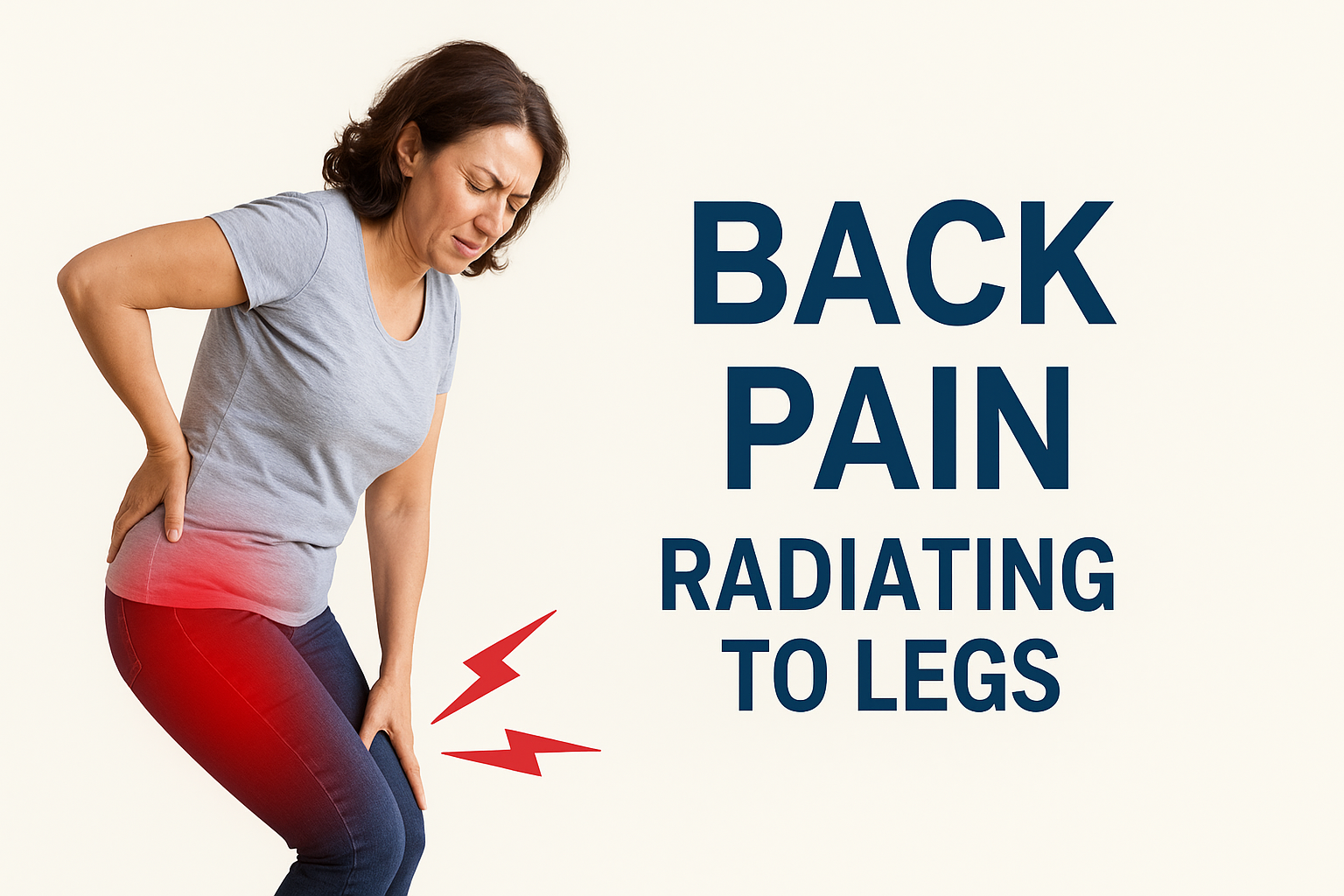
Back pain is one of the most common health problems worldwide, and when it radiates down the legs, it can significantly affect daily life. This condition is often referred to as sciatica or lumbar radiculopathy, and it requires proper attention for diagnosis and treatment. Understanding its causes, symptoms, and prevention strategies can help individuals manage their condition better and improve quality of life.
What is Back Pain Radiating to the Legs?
Back pain radiating to the legs usually occurs due to nerve compression in the lower spine. The pain can travel from the lower back through the buttocks and into one or both legs. It may feel sharp, burning, or like an electric shock.
This type of pain is commonly caused by conditions that put pressure on the sciatic nerve, which is the longest nerve in the body.
Common Causes
Several underlying conditions may lead to radiating back pain:
- Herniated Disc – When a spinal disc bulges or ruptures, pressing on the nerve roots.
- Spinal Stenosis – Narrowing of the spinal canal, putting pressure on nerves.
- Degenerative Disc Disease – Wear and tear of spinal discs over time.
- Spondylolisthesis – A vertebra slipping forward onto the bone below it.
- Muscle Spasms – Severe muscle tightness can irritate nearby nerves.
Symptoms
The signs and symptoms vary depending on the underlying cause, but may include:
- Sharp or burning pain in the lower back spreading to the legs.
- Tingling, numbness, or “pins and needles” sensation in the legs or feet.
- Weakness in the affected leg.
- Pain that worsens with sitting, bending, or lifting.
- Difficulty walking or standing for long periods.
Diagnosis
A healthcare professional may use:
- Medical history and physical examination
- MRI or CT scans to detect disc or spinal issues
- X-rays to rule out bone problems
- Nerve conduction studies to check for nerve damage
Management and Treatment
Treatment depends on the severity and cause of the condition:
1. Lifestyle Modifications
- Maintain good posture while sitting and standing.
- Avoid prolonged sitting or heavy lifting.
- Use ergonomic chairs and supportive mattresses.
2. Medical Management
- Pain relievers (NSAIDs or muscle relaxants).
- Physical therapy with strengthening and stretching exercises.
- Hot and cold compresses to reduce pain and inflammation.
3. Advanced Treatment Options
- Steroid injections for severe nerve inflammation.
- Surgery in cases of persistent or worsening symptoms, such as spinal decompression or discectomy.
Prevention
- Exercise regularly to strengthen back and core muscles.
- Maintain a healthy weight to reduce spinal stress.
- Practice safe lifting techniques.
- Stay active with walking, swimming, or yoga.
When to See a Doctor
Seek medical help immediately if you experience:
- Sudden, severe back pain with leg weakness.
- Loss of bladder or bowel control.
- Numbness in the groin or buttocks area.
These may indicate a serious condition such as cauda equina syndrome, which requires urgent treatment.
Final Thoughts
Back pain radiating to the legs is often linked to nerve compression and can severely affect mobility. With early diagnosis, lifestyle changes, and appropriate treatment, most people can find relief and return to normal activities. Raising awareness about this condition can help individuals seek timely care and prevent long-term complications.