Almonds are among the healthiest nuts in the world, packed with nutrients that support blood sugar control, heart health, weight management, and overall wellness. For people living with diabetes or cardiovascular disease (CVD), almonds are especially beneficial because they help stabilize glucose levels, improve cholesterol profiles, and reduce inflammation.
Including almonds as a regular part of a balanced diet can significantly support long-term metabolic and cardiovascular health.
Nutritional Value of Almonds
Almonds are nutrient-dense and naturally low in carbohydrates, making them ideal for people with blood sugar concerns.
Key Nutrients in Almonds:
- Healthy monounsaturated fats
- Plant-based protein
- Dietary fiber
- Vitamin E (powerful antioxidant)
- Magnesium
- Calcium
- Potassium
- Iron
- Zinc
This nutrient combination promotes heart health, improves insulin sensitivity, and supports energy metabolism.
Health Benefits of Almonds
✅ 1. Blood Sugar Control for Diabetics
Almonds have a low glycemic index and do not cause rapid spikes in blood glucose levels. Their fiber, healthy fats, and protein ingredients slow digestion and stabilize sugar absorption.
Benefits for diabetes include:
- Improved insulin sensitivity
- Reduced post-meal glucose spikes
- Better fasting blood sugar control
- Support for healthy weight management
Studies show that adding almonds to meals can help improve HbA1c levels over time.
✅ 2. Heart Protection for CVD Patients
Heart disease remains a leading cause of death worldwide. Almonds offer exceptional support for cardiovascular health by:
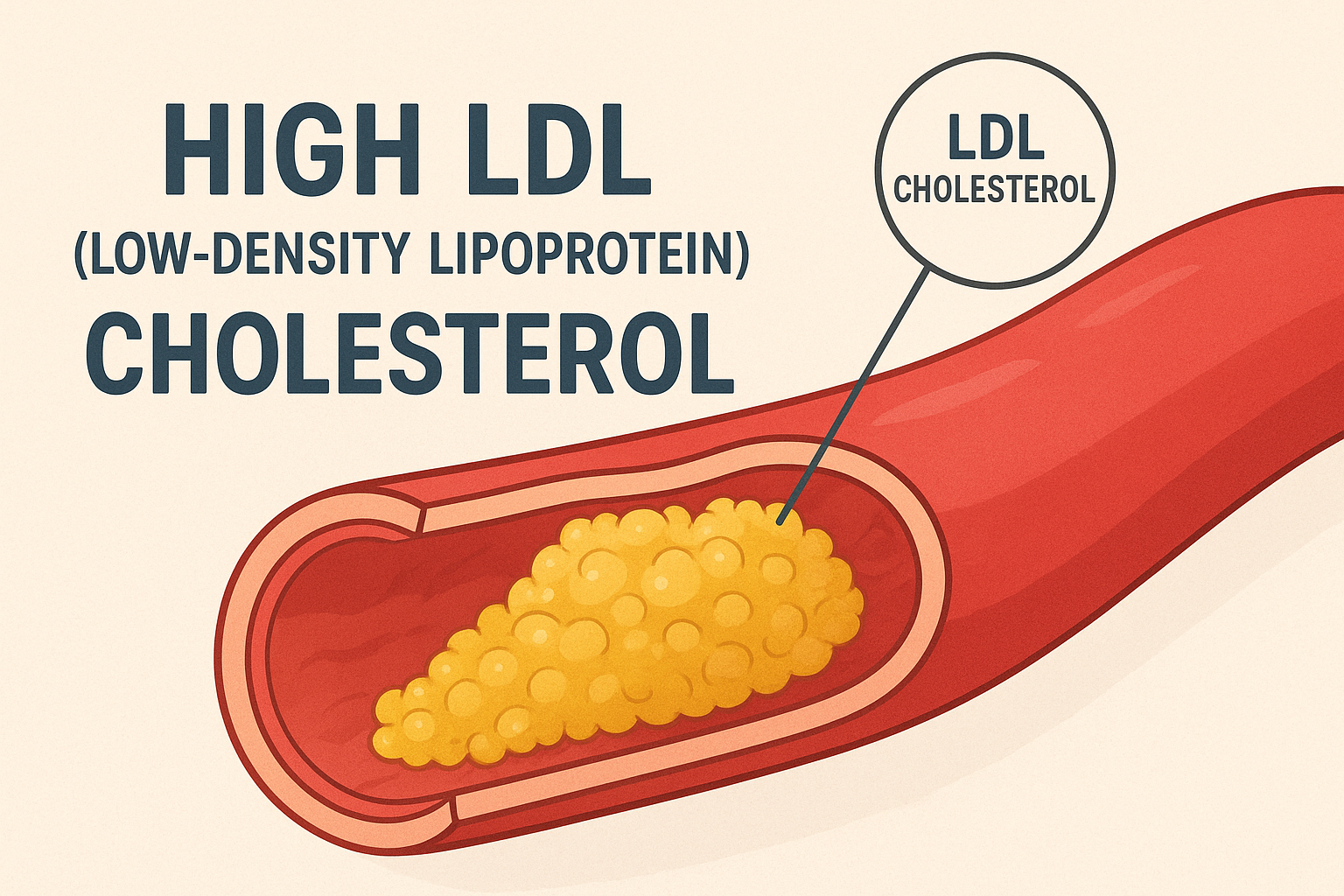
- Lowering LDL (“bad”) cholesterol
- Increasing HDL (“good”) cholesterol
- Reducing oxidative stress
- Improving blood vessel function
- Supporting healthy blood pressure levels
Regular almond intake has been linked with reduced risk of heart attacks and stroke.
✅ 3. Weight Management
Though calorie-dense, almonds promote fullness due to their protein and fiber content, reducing unnecessary snacking. Maintaining healthy weight is essential for both diabetes and heart disease prevention.
✅ 4. Anti-Inflammatory Effects
Vitamin E and plant antioxidants in almonds help decrease inflammation—a key risk factor for both diabetes complications and atherosclerosis (plaque buildup in arteries).
✅ 5. Digestive and Gut Health
Almond fiber promotes healthy digestion and supports beneficial gut bacteria, improving nutrient absorption and immune function.
How Many Almonds Should Diabetics & CVD Patients Eat?
✅ Recommended daily amount:
10–15 almonds per day (about 20–25 grams)
This portion is large enough to gain full health benefits without excess calories.
Best Ways to Eat Almonds
- Eat soaked almonds (easier digestion)
- Add sliced almonds to salads
- Blend into smoothies
- Sprinkle crushed almonds on yogurt or oatmeal
- Almond butter (unsweetened, no additives)
✅ Health Tip:
Soak almonds overnight, remove the peel, and eat them in the morning for improved nutrient absorption.
Who Should Be Cautious?
While almonds are safe for most people, individuals should limit intake if:
- They have nut allergies
- They suffer from advanced kidney disease (due to potassium content)
- Portion control is a concern in strict calorie management plans
Always consult your doctor or dietitian for personalized dietary advice.
Can Almonds Replace Medications?
No. Almonds support healthy lifestyle management, but they do not replace prescribed medications for diabetes or heart disease. They should be used alongside proper treatment, balanced nutrition, and regular exercise.
Final Thoughts
Almonds are a natural superfood for people with diabetes and cardiovascular disease. Their blood sugar–stabilizing effects, cholesterol-lowering properties, and rich antioxidant content make them a smart daily addition to any heart-healthy or diabetic-friendly meal plan.
Eating just a handful each day can:
✅ Support glucose control
✅ Protect heart health
✅ Improve energy levels
✅ Reduce inflammation
✅ Promote healthy weight
Small dietary changes today can lead to powerful long-term health benefits.