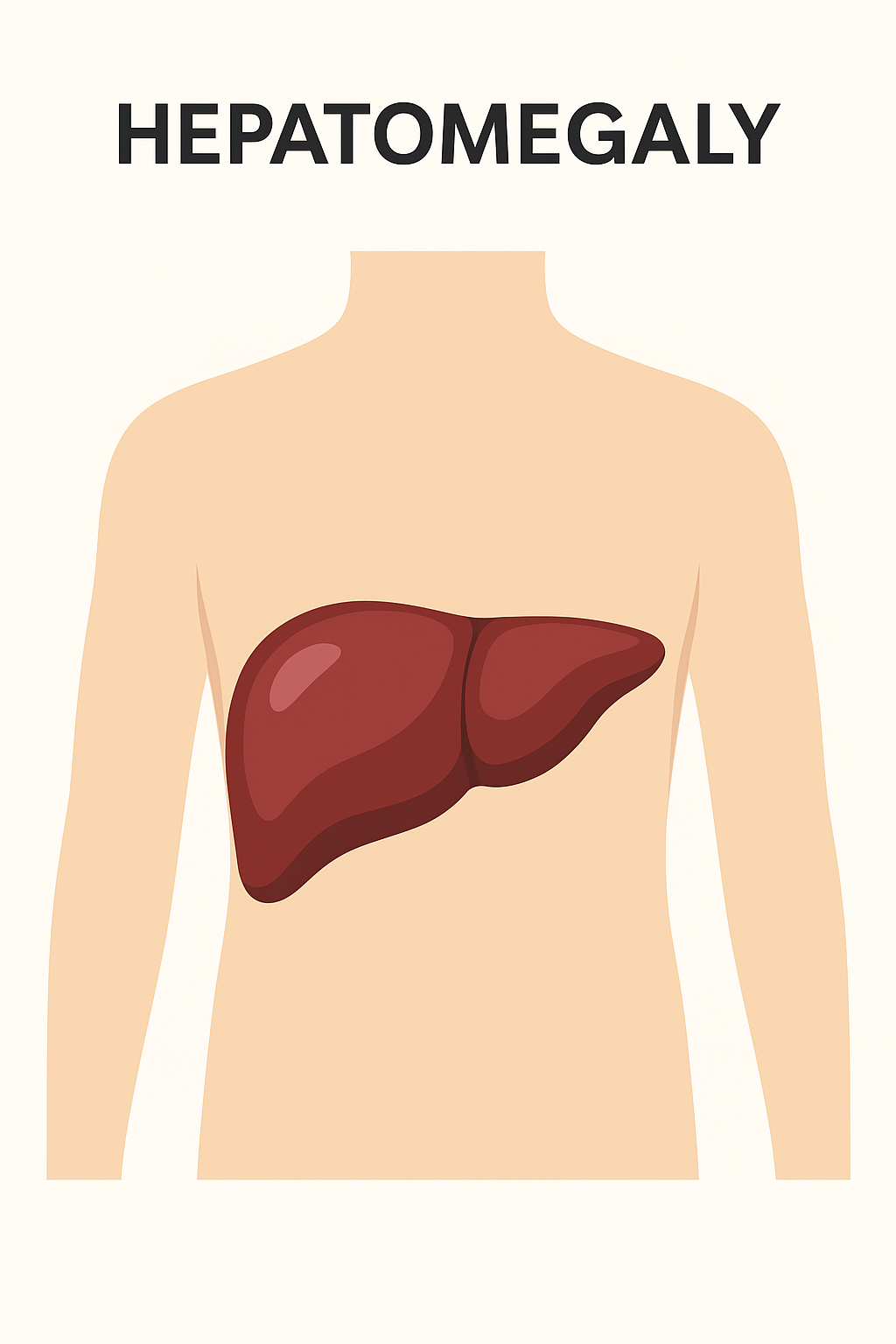
Hepatomegaly refers to an abnormally enlarged liver. The liver is one of the most vital organs in the body, responsible for detoxifying harmful substances, producing proteins, storing nutrients, aiding digestion, and regulating metabolism. When the liver becomes enlarged, it is usually a warning sign of underlying disease or systemic conditions that require medical attention.
What Is Hepatomegaly?
A healthy liver usually measures about 12–15 cm in adults. In hepatomegaly, the liver exceeds its normal size due to swelling, inflammation, fatty infiltration, blood congestion, or tumor growth. The condition itself is not a disease but rather an indicator of liver dysfunction or another medical problem.
Hepatomegaly can affect individuals of all age groups, including children and adults.
Common Causes of Hepatomegaly
Liver-Related Causes
- Fatty liver disease (NAFLD or alcohol-related)
- Viral hepatitis (A, B, C, D, E)
- Liver cirrhosis
- Liver tumors or cysts
- Drug-induced liver injury
Blood and Heart Disorders
- Congestive heart failure
- Hemochromatosis (iron overload)
- Thalassemia and other anemias
Infections
- Malaria
- Tuberculosis
- Sepsis
- Infectious mononucleosis
Metabolic and Storage Disorders
- Wilson’s disease
- Glycogen storage diseases
- Gaucher disease
Symptoms of Hepatomegaly
Mild liver enlargement may be asymptomatic and discovered during routine examination or imaging. When symptoms occur, they can include:
- Fullness or discomfort in the right upper abdomen
- Abdominal swelling
- Nausea or vomiting
- Poor appetite
- Fatigue
- Yellowing of skin or eyes (jaundice)
- Dark urine
- Light-colored stools
- Itching
- Easy bruising or bleeding
Diagnosis of Hepatomegaly
Diagnosis involves physical examination and laboratory testing:
Common Tests Include:
- Ultrasound abdomen – first-line imaging tool
- CT scan or MRI – detailed assessment
- Blood tests – liver function tests (LFTs), viral markers
- Liver biopsy – in selected cases to confirm specific diseases
Treatment of Hepatomegaly
There is no direct treatment for hepatomegaly alone—the treatment depends on the underlying cause.
Medical Treatment
- Antiviral therapy for hepatitis
- Management of fatty liver with lifestyle changes
- Heart failure treatment if congestion is the cause
- Chelation therapy for iron overload disorders
- Medications to treat metabolic or autoimmune diseases
Lifestyle Measures
- Maintain a balanced, low-fat diet
- Avoid alcohol
- Control blood sugar and cholesterol
- Exercise regularly
- Avoid unnecessary medications or herbal supplements that may harm the liver
Monitoring
Patients may need:
- Periodic liver function tests
- Follow-up imaging
- Screening for complications such as cirrhosis
Complications of Untreated Hepatomegaly
If the underlying disease is not managed, complications may include:
- Liver cirrhosis
- Portal hypertension
- Ascites (fluid in the abdomen)
- Liver failure
- Development of liver cancer
When to See a Doctor
Seek immediate medical attention if there is:
- Persistent abdominal pain or swelling
- Jaundice
- Severe fatigue
- Vomiting blood
- Confusion or drowsiness
Early diagnosis significantly improves outcomes.
Living With Hepatomegaly
With proper management, many individuals with hepatomegaly return to a healthy life. Regular follow-up, avoiding alcohol, eating nutritious meals, and adhering to prescribed medications are essential for preventing progression and maintaining liver health.
Final Thoughts
Hepatomegaly is a warning sign that should never be ignored. It indicates liver strain or systemic illness that needs prompt diagnosis and treatment. With modern medical care and early intervention, most underlying causes can be effectively managed, protecting long-term health.