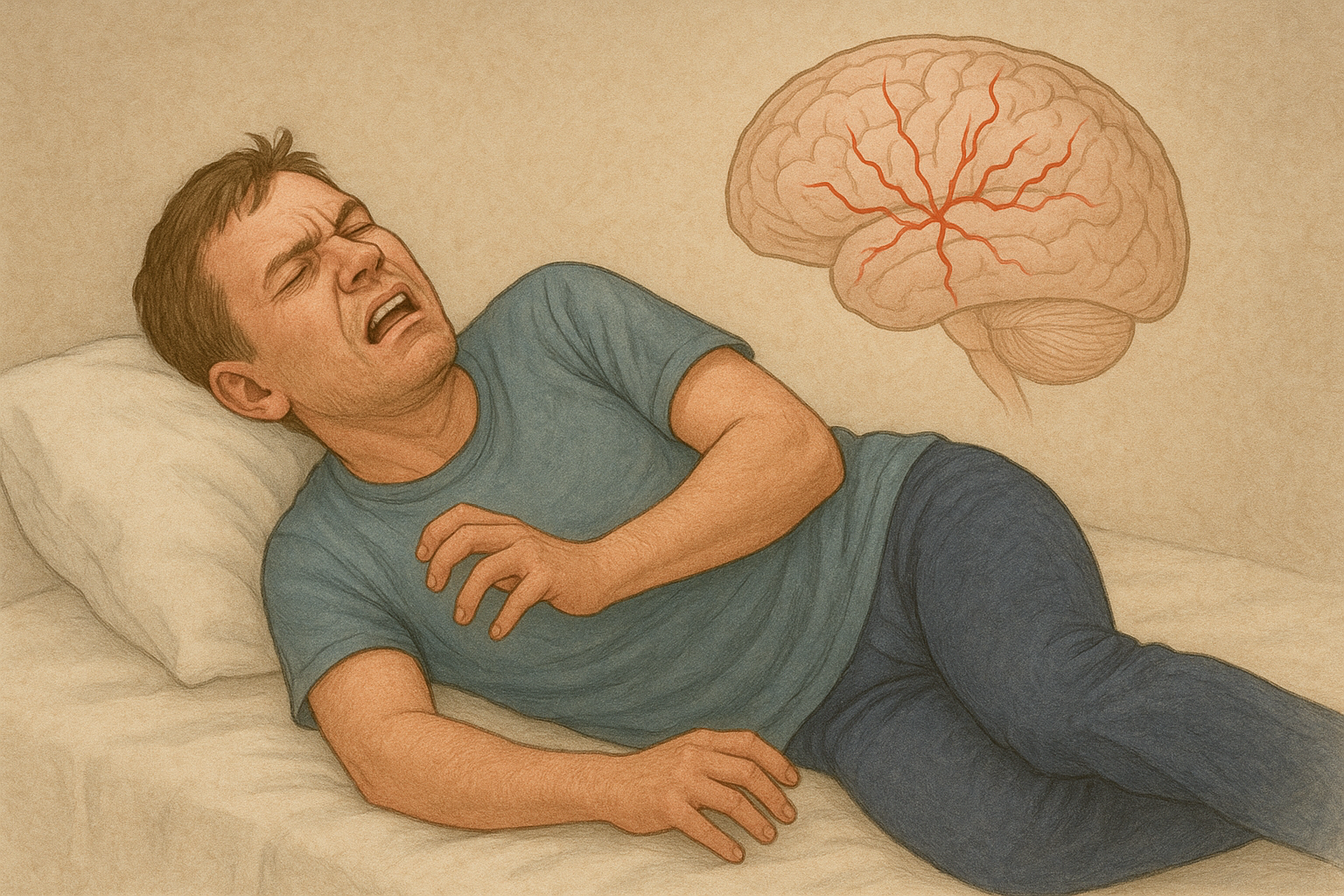
Epilepsy is a common neurological disorder that affects millions of people worldwide. It is characterized by recurrent, unprovoked seizures due to abnormal electrical activity in the brain. With proper diagnosis, treatment, and lifestyle management, most people with epilepsy can live healthy and productive lives.
This article explains everything you need to know about epilepsy in a simple and understandable way.
What Is Epilepsy?
Epilepsy is a chronic brain condition in which a person experiences repeated seizures. A single seizure does not mean epilepsy. The diagnosis is usually made when a person has two or more unprovoked seizures occurring at different times.
Causes of Epilepsy
In many cases, the exact cause of epilepsy is unknown. However, common causes include:
- Genetic factors
- Brain injury or head trauma
- Stroke or lack of oxygen to the brain
- Brain infections (meningitis, encephalitis)
- Brain tumors
- Congenital brain abnormalities
- High fever in childhood (febrile seizures)
Types of Epileptic Seizures
1. Focal (Partial) Seizures
These begin in one part of the brain.
- Focal aware seizures: Person remains conscious
- Focal impaired awareness seizures: Confusion or altered awareness
2. Generalized Seizures
These involve both sides of the brain.
- Tonic-clonic seizures: Loss of consciousness with stiffening and jerking
- Absence seizures: Brief staring spells
- Myoclonic seizures: Sudden muscle jerks
- Atonic seizures: Sudden loss of muscle tone
Common Symptoms of Epilepsy
Symptoms vary depending on seizure type and may include:
- Sudden jerking movements
- Temporary confusion
- Staring spells
- Loss of consciousness
- Drooling or frothing from the mouth
- Tongue biting
- Loss of bladder or bowel control
How Is Epilepsy Diagnosed?
Diagnosis of epilepsy involves:
- Detailed medical history
- Neurological examination
- Electroencephalogram (EEG)
- Brain imaging (MRI or CT scan)
- Blood tests to identify underlying causes
Accurate diagnosis is essential for effective treatment.
Treatment Options for Epilepsy
1. Anti-Epileptic Medicines
Most patients achieve good seizure control with medications such as:
- Levetiracetam
- Valproate
- Carbamazepine
- Phenytoin
Medicines must be taken regularly and as prescribed.
2. Lifestyle Management
- Adequate sleep
- Stress reduction
- Avoid alcohol and drug abuse
- Regular meals to prevent low blood sugar
3. Advanced Treatments
For patients with drug-resistant epilepsy:
- Epilepsy surgery
- Vagus nerve stimulation (VNS)
- Ketogenic diet (especially in children)
First Aid for an Epileptic Seizure
✔ Stay calm
✔ Place the person on their side
✔ Remove nearby sharp objects
✔ Loosen tight clothing
✔ Do NOT put anything in the mouth
✔ Seek medical help if seizure lasts more than 5 minutes
Can People with Epilepsy Live a Normal Life?
Yes. With proper treatment, regular follow-ups, and lifestyle modifications, most people with epilepsy can:
- Go to school or work
- Get married
- Have children
- Participate in daily activities
Education and awareness help reduce social stigma.
When Should You See a Doctor?
Consult a healthcare professional if:
- A person experiences their first seizure
- Seizures become frequent
- Medication side effects occur
- Seizures last longer than 5 minutes
Final Thoughts
Epilepsy is a manageable condition when diagnosed early and treated appropriately. Patient education, medication adherence, and family support play a crucial role in achieving seizure control and improving quality of life.
If you or someone you know has epilepsy, timely medical care can make a significant difference.