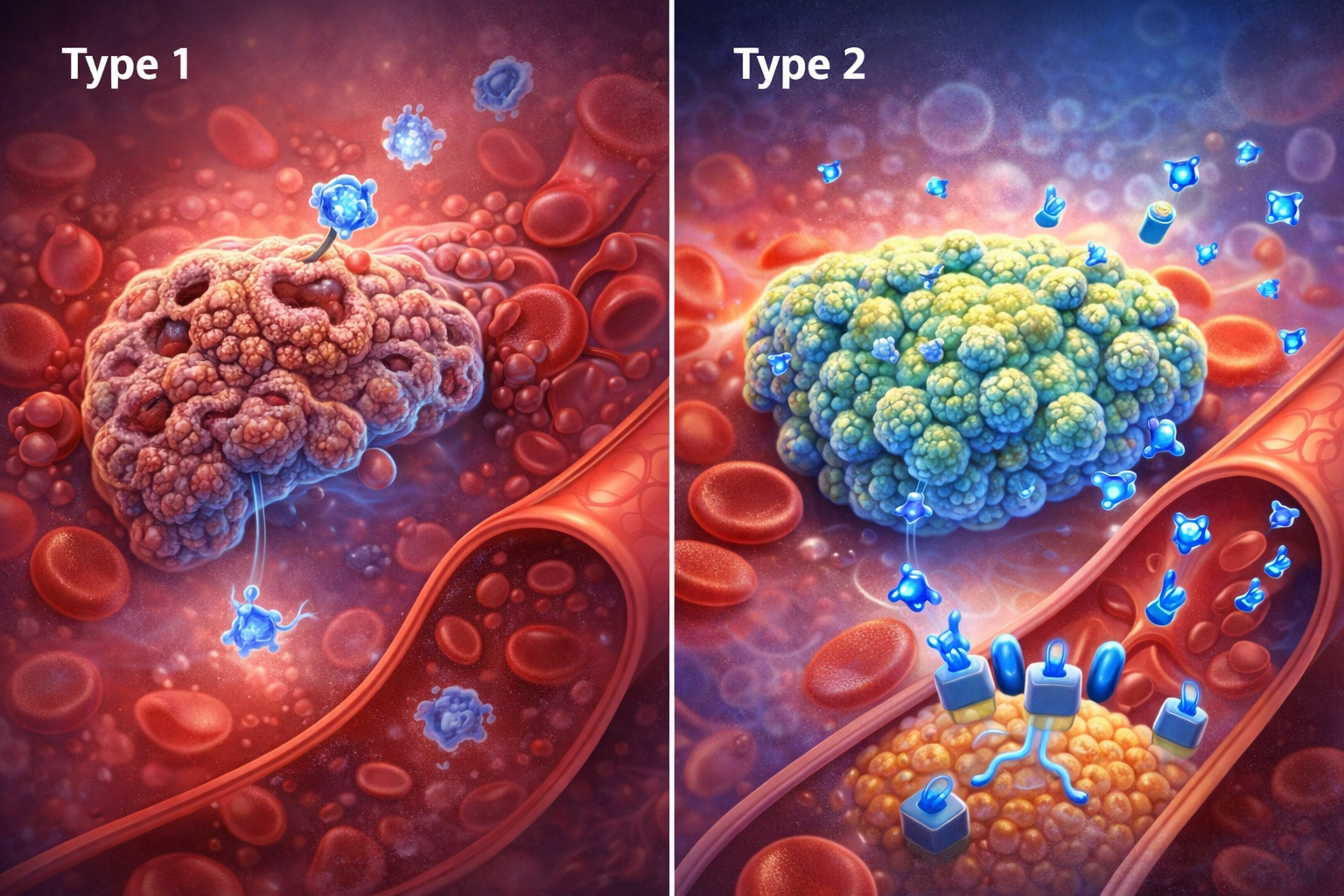
Diabetes Mellitus is a chronic metabolic disorder affecting millions worldwide. It occurs when the body is unable to properly produce or use insulin, a hormone responsible for regulating blood sugar levels. If left uncontrolled, diabetes can lead to serious complications affecting the heart, kidneys, eyes, and nerves.
This article provides a comprehensive overview of Diabetes Mellitus, its causes, symptoms, types, and effective management strategies.
What Is Diabetes Mellitus?
Diabetes Mellitus (DM) is a condition in which blood glucose (sugar) levels remain elevated for prolonged periods. The high blood sugar results from either:
- Insufficient insulin production (Type 1 diabetes)
- Poor insulin utilization by the body (Type 2 diabetes)
Uncontrolled blood sugar can cause organ damage and increase the risk of cardiovascular diseases.
Types of Diabetes Mellitus
1. Type 1 Diabetes
- Autoimmune disorder in which the immune system attacks insulin-producing cells in the pancreas
- Usually develops in children or young adults
- Requires lifelong insulin therapy
2. Type 2 Diabetes
- Most common type, usually in adults
- Body becomes resistant to insulin or doesn’t produce enough
- Can often be managed with lifestyle changes and oral medications
3. Gestational Diabetes
- Occurs during pregnancy
- Usually resolves after delivery
- Increases risk of Type 2 diabetes later in life
4. Other Types
- Genetic disorders affecting insulin production
- Pancreatic diseases (e.g., pancreatitis, cystic fibrosis)
- Certain medications causing high blood sugar
Causes of Diabetes Mellitus
- Genetic predisposition
- Obesity and physical inactivity
- Autoimmune destruction of pancreatic cells (Type 1)
- Unhealthy diet high in sugar and refined carbs
- Hormonal disorders (e.g., Cushing’s syndrome)
- Age-related decline in insulin sensitivity
Symptoms of Diabetes
Common symptoms include:
- Frequent urination (polyuria)
- Excessive thirst (polydipsia)
- Increased hunger (polyphagia)
- Fatigue and weakness
- Blurred vision
- Slow healing of wounds
- Unexplained weight loss (Type 1)
- Numbness or tingling in hands and feet
Complications of Diabetes
If left uncontrolled, diabetes can lead to:
- Cardiovascular disease (heart attack, stroke)
- Kidney damage (diabetic nephropathy)
- Eye problems (retinopathy, blindness)
- Nerve damage (neuropathy)
- Foot ulcers and infections
- Skin infections
Diagnosis of Diabetes
Doctors use several tests to diagnose diabetes:
- Fasting Blood Sugar (FBS)
- Oral Glucose Tolerance Test (OGTT)
- HbA1c Test (average blood sugar over 2–3 months)
- Random blood sugar measurement
Management of Diabetes Mellitus
1. Lifestyle Modifications
- Healthy diet with low sugar and refined carbs
- Regular exercise (at least 30 minutes/day)
- Weight management
- Avoid smoking and alcohol
2. Medications
- Type 1 diabetes: Insulin injections
- Type 2 diabetes: Oral hypoglycemic agents (Metformin, Glimepiride, etc.)
- Newer medications: GLP-1 receptor agonists, SGLT2 inhibitors
3. Regular Monitoring
- Self-monitoring of blood glucose at home
- Routine checkups for blood pressure, cholesterol, and kidney function
4. Patient Education
- Understanding carbohydrate counting
- Recognizing hypoglycemia and hyperglycemia symptoms
- Foot care and infection prevention
Preventing Type 2 Diabetes
- Maintain a healthy weight
- Eat a balanced diet rich in fiber
- Engage in regular physical activity
- Limit sugar and processed foods
- Regular medical checkups
Final Thoughts
Diabetes Mellitus is a manageable condition with proper treatment, lifestyle changes, and regular monitoring. Early diagnosis and consistent care can prevent complications and significantly improve quality of life. Education, awareness, and patient involvement are key to effective diabetes management.