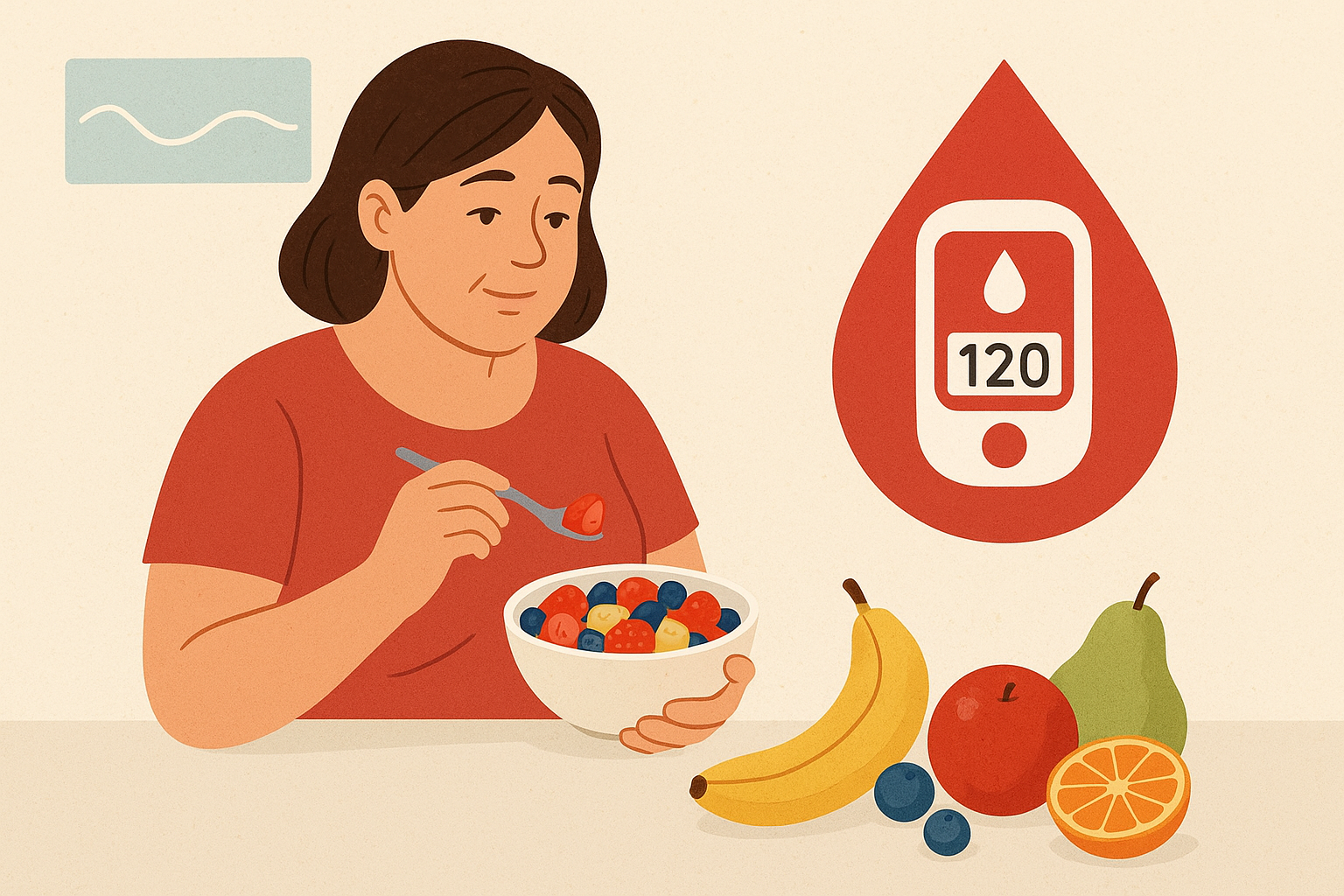
Oranges are one of the most popular citrus fruits worldwide, known for their refreshing taste and high vitamin C content. Many people with diabetes often ask whether oranges are safe to eat due to their natural sugar content. The good news is that oranges can be safely included in a diabetic diet when consumed in the right portion and in their whole form.
This article explains the nutritional value of oranges, their benefits for diabetics, and the recommended portion size to help maintain stable blood sugar levels.
Nutritional Value of Oranges (Per 100 grams)
Oranges are nutrient-dense and low in calories:
- Calories: ~47 kcal
- Carbohydrates: 11.8 g
- Natural Sugars: ~9 g
- Dietary Fiber: 2.4 g
- Protein: 0.9 g
- Fat: 0.1 g
- Vitamin C: 53 mg
- Potassium: 181 mg
- Folate (Vitamin B9): 30 mcg
- Glycemic Index (GI): Low to moderate (≈ 40–43)
The fiber content helps slow down sugar absorption, making oranges suitable for diabetics.
Are Oranges Good for Diabetics?
Yes, oranges are good for diabetics when eaten in moderation. Whole oranges have a low glycemic load, meaning they cause a gradual rise in blood glucose levels rather than sudden spikes. The fiber in oranges plays a key role in blood sugar regulation.
⚠️ Orange juice is not recommended for diabetics, as it lacks fiber and can quickly raise blood sugar levels.
Health Benefits of Oranges for Diabetics
1. Helps Control Blood Sugar Levels
Dietary fiber slows digestion and glucose absorption, helping maintain stable blood sugar levels.
2. Boosts Immunity
High vitamin C content strengthens the immune system, which is important for diabetics who are more prone to infections.
3. Supports Heart Health
Oranges contain potassium and antioxidants that:
- Help regulate blood pressure
- Reduce bad cholesterol (LDL)
- Lower cardiovascular risk in diabetics
4. Aids Weight Management
Low calorie and high water content promote fullness, reducing overeating and supporting healthy weight control.
5. Improves Digestive Health
Fiber improves gut health and prevents constipation, a common issue in people with diabetes.
Recommended Portion Size for Diabetics
Safe portion size:
- 1 small to medium whole orange (130–150 g) per day
Tips:
- Eat oranges whole, not as juice
- Avoid eating oranges alone; pair with nuts or yogurt
- Do not consume more than one serving at a time
Best Way to Eat Oranges for Diabetes
- Eat fresh, whole oranges
- Consume with meals or as a mid-snack
- Avoid added sugar, syrups, or processed orange products
- Choose fresh fruit over canned oranges
Who Should Be Careful?
- People with acid reflux or gastritis
- Patients with advanced kidney disease (due to potassium content)
- Those experiencing frequent blood sugar fluctuations
Always consult a healthcare provider for personalized dietary advice.
Conclusion
Oranges are a healthy, fiber-rich fruit that can be safely enjoyed by people with diabetes when eaten in moderation. They provide essential vitamins, support heart health, boost immunity, and help maintain stable blood sugar levels. Portion control and choosing whole fruit are key to gaining maximum benefits.