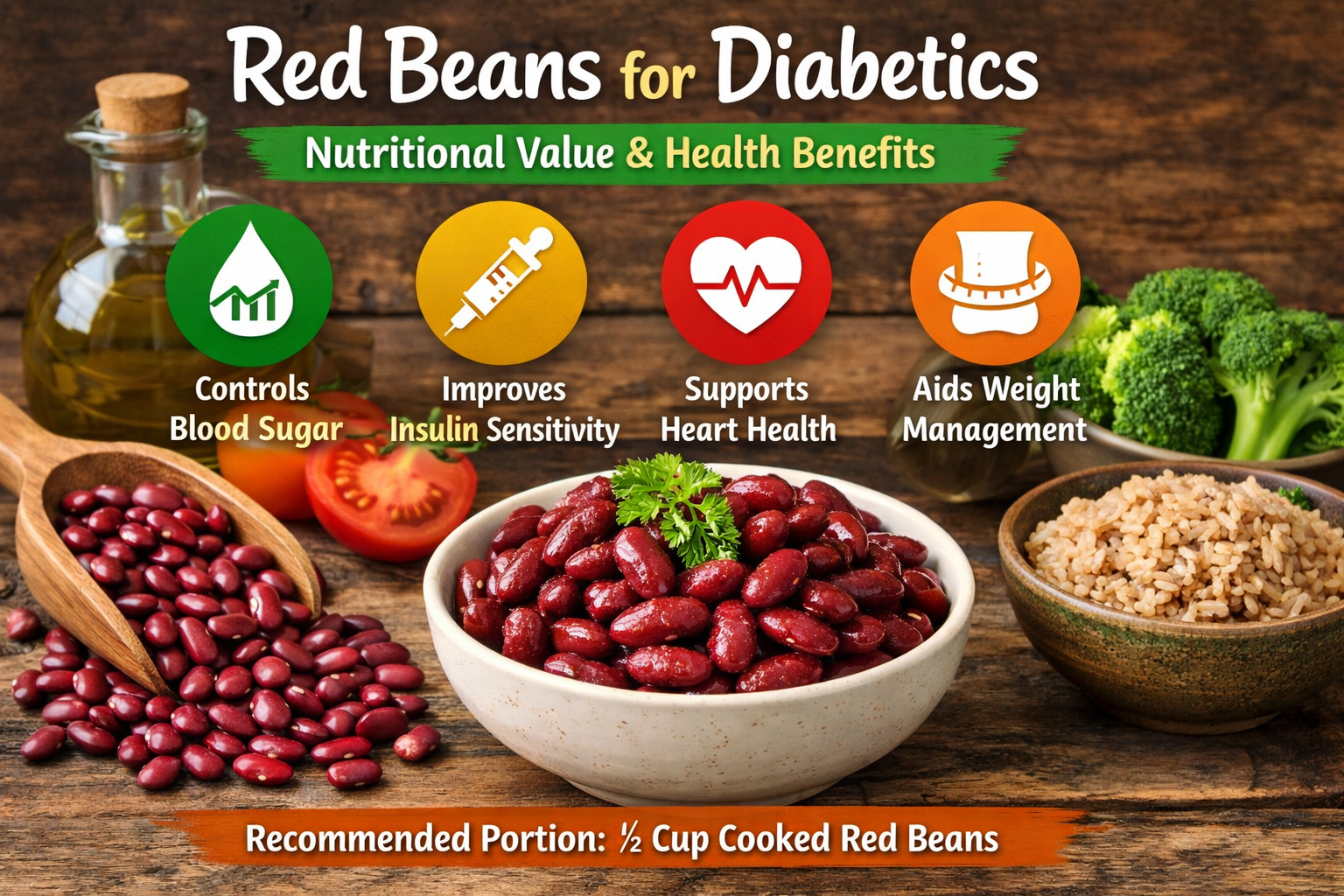
Red Beans for Diabetics: Nutritional Value, Benefits, and Safe Portion Size
Red beans, also known as kidney beans, are a nutritious legume widely used in many cuisines. For people living with diabetes, choosing the right foods is essential to maintain healthy blood sugar levels. Red beans can be a diabetes-friendly food when eaten in the correct portion and prepared properly. This article explains the nutritional value of red beans, their benefits for diabetics, and recommended portion sizes.
Nutritional Value of Red Beans (Per 100 grams, cooked)
Red beans are packed with essential nutrients while having a low glycemic load:
- Calories: ~125 kcal
- Carbohydrates: 22 g
- Dietary Fiber: 6–7 g
- Protein: 8–9 g
- Fat: <1 g
- Iron: 2.9 mg
- Magnesium: 45 mg
- Potassium: 400 mg
- Folate (Vitamin B9): 130 mcg
- Glycemic Index (GI): Low (around 24–29)
The high fiber and protein content makes red beans especially beneficial for blood sugar control.
Are Red Beans Good for Diabetics?
Yes, red beans are good for diabetics when consumed in moderation. Their low glycemic index means they cause a slow and steady rise in blood glucose levels, reducing the risk of sugar spikes.
Health Benefits of Red Beans for Diabetics
1. Helps Control Blood Sugar
The soluble fiber in red beans slows carbohydrate digestion and glucose absorption, leading to better glycemic control.
2. Improves Insulin Sensitivity
Regular intake of legumes like red beans may improve how the body responds to insulin, which is helpful for type 2 diabetes.
3. Supports Heart Health
Diabetics are at higher risk of heart disease. Red beans help:
- Lower LDL (bad cholesterol)
- Maintain healthy blood pressure
- Reduce inflammation
4. Aids Weight Management
High fiber and protein keep you full for longer, reducing overeating and helping with healthy weight control, which is essential for diabetes management.
5. Improves Digestive Health
Red beans promote healthy digestion and prevent constipation, a common problem in people with long-term diabetes.
Recommended Portion Size for Diabetics
Safe portion size:
- ½ cup (90–100 g) of cooked red beans per meal
Tips:
- Do not combine red beans with refined carbohydrates (white rice, white bread).
- Pair with vegetables, salads, or whole grains.
- Avoid fried or canned beans with added sugar or salt.
Best Way to Eat Red Beans for Diabetes
- Always cook thoroughly (raw or undercooked kidney beans are toxic)
- Soak overnight to reduce gas-causing compounds
- Use minimal oil and salt
- Avoid sugary sauces
- Prefer boiled, steamed, or lightly spiced preparations
Who Should Be Careful?
- People with kidney disease (due to potassium and phosphorus content)
- Those with digestive sensitivity (may cause bloating if eaten in excess)
Always consult a healthcare professional for personalized dietary advice.
Conclusion
Red beans are a nutrient-dense, low-GI food that can be safely included in a diabetic diet. When eaten in proper portions, they help control blood sugar, support heart health, and improve overall nutrition. Balanced meals and portion control are key to enjoying the benefits of red beans without affecting glucose levels.