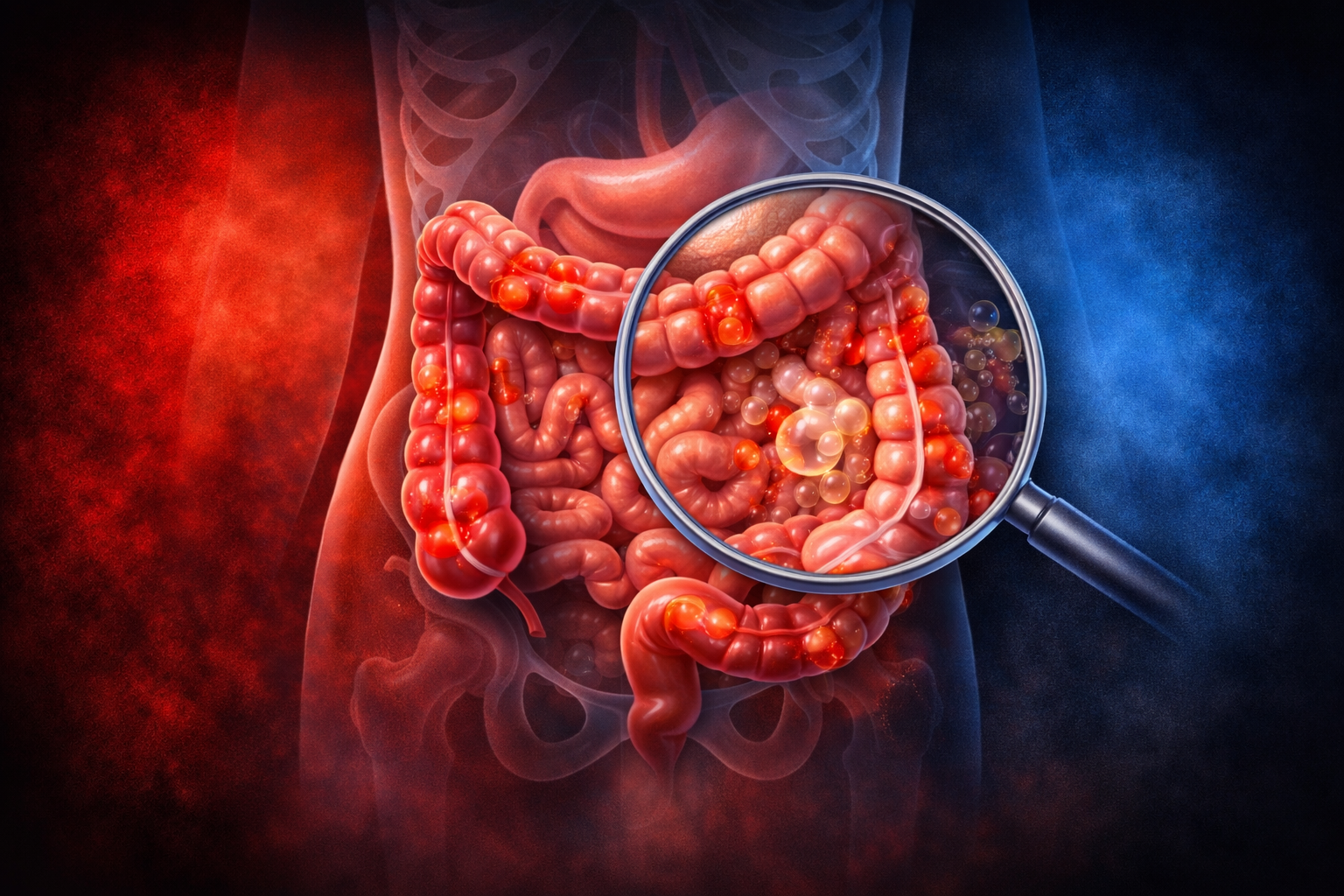
A hepatic cyst, also known as a liver cyst, is a fluid-filled sac that develops in the liver. Most hepatic cysts are benign (non-cancerous) and are often discovered accidentally during imaging tests done for other reasons. Although many people remain symptom-free, some cysts can grow large and cause discomfort or complications. Understanding hepatic cysts helps in early detection and proper management.
What Is a Hepatic Cyst?
A hepatic cyst is a thin-walled cavity filled with clear fluid located in the liver. These cysts can be congenital (present from birth) or acquired later in life. In most cases, hepatic cysts do not affect liver function and require minimal or no treatment.
Types of Hepatic Cysts
There are several types of hepatic cysts, including:
1. Simple Hepatic Cyst
- Most common type
- Usually harmless and asymptomatic
- Often detected incidentally on ultrasound or CT scan
2. Polycystic Liver Disease (PLD)
- Characterized by multiple cysts in the liver
- May be associated with polycystic kidney disease
- Can cause abdominal swelling if cysts are large
3. Hydatid Cyst
- Caused by Echinococcus parasite
- More common in regions with livestock exposure
- Requires prompt medical treatment
4. Neoplastic Cysts
- Rare
- May have malignant potential
- Require careful evaluation
Causes of Hepatic Cysts
The exact cause of simple hepatic cysts is often unknown. Possible causes include:
- Congenital bile duct abnormalities
- Parasitic infections (hydatid disease)
- Liver injury or inflammation
- Genetic conditions such as polycystic liver disease
Symptoms of Hepatic Cyst
Most hepatic cysts are asymptomatic, especially when small. However, larger cysts may cause:
- Upper right abdominal pain or discomfort
- Abdominal fullness or bloating
- Nausea or vomiting
- Early satiety (feeling full quickly)
- Rarely, jaundice if bile ducts are compressed
Diagnosis of Hepatic Cyst
Hepatic cysts are commonly diagnosed using imaging studies such as:
- Ultrasound – first-line and most commonly used
- CT Scan – provides detailed size and structure
- MRI – useful for complex or suspicious cysts
- Blood tests – usually normal but help rule out liver disease
Treatment of Hepatic Cyst
Treatment depends on the size, type, and symptoms of the cyst.
Observation
- Small, asymptomatic cysts need no treatment
- Regular follow-up imaging may be advised
Medications
- Antiparasitic drugs for hydatid cysts
- Pain relief for symptomatic patients
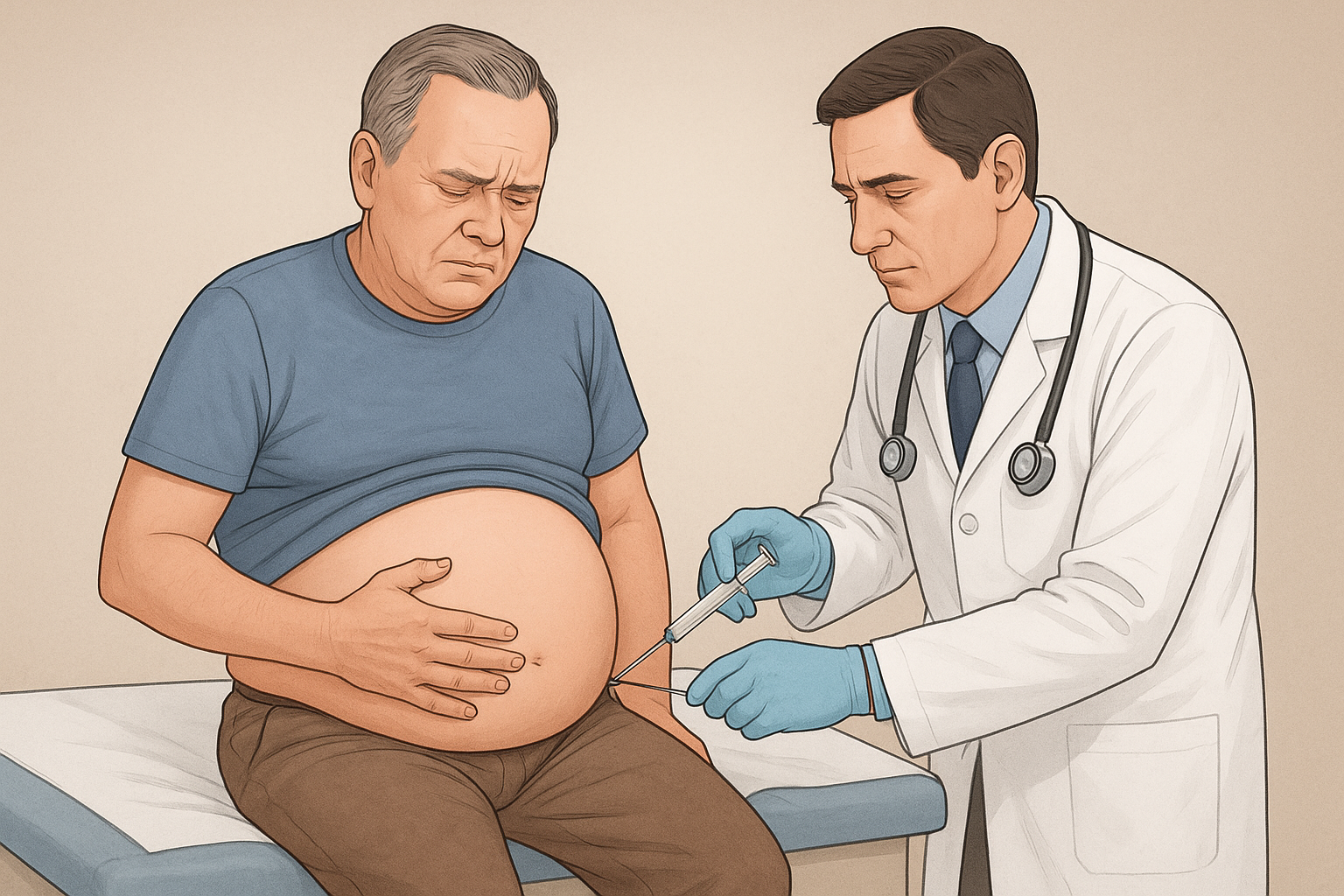
Minimally Invasive Procedures
- Percutaneous aspiration with or without sclerotherapy
- Used for large or symptomatic simple cysts
Surgery
- Required for very large cysts, recurrent cysts, or suspected malignancy
- Includes laparoscopic or open surgical removal
Possible Complications
Although rare, complications may include:
- Infection of the cyst
- Bleeding into the cyst
- Rupture of the cyst
- Pressure on nearby organs
Prevention and Lifestyle Tips
- Maintain regular medical checkups
- Practice good hygiene to prevent parasitic infections
- Avoid unnecessary exposure to contaminated food or water
- Follow your doctor’s advice if you have known liver cysts
When to See a Doctor
Consult a healthcare professional if you experience:
- Persistent abdominal pain
- Rapid increase in abdominal size
- Fever with liver discomfort
- Unexplained digestive symptoms
Conclusion
A hepatic cyst is usually a benign and manageable condition. Many people live normal lives without any symptoms or complications. Early diagnosis through imaging and appropriate monitoring ensures effective management. If symptoms develop, modern medical and surgical treatments offer excellent outcomes.