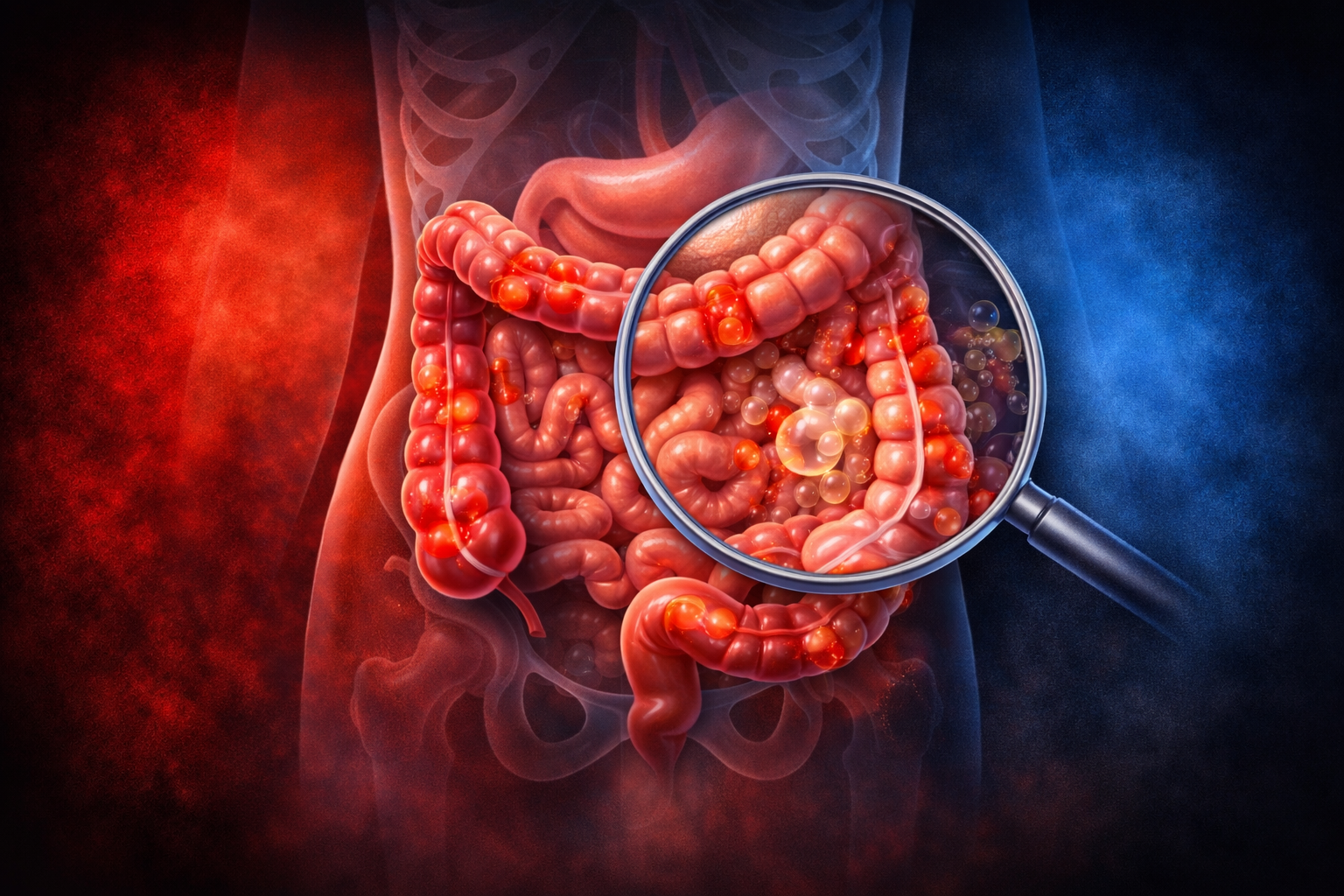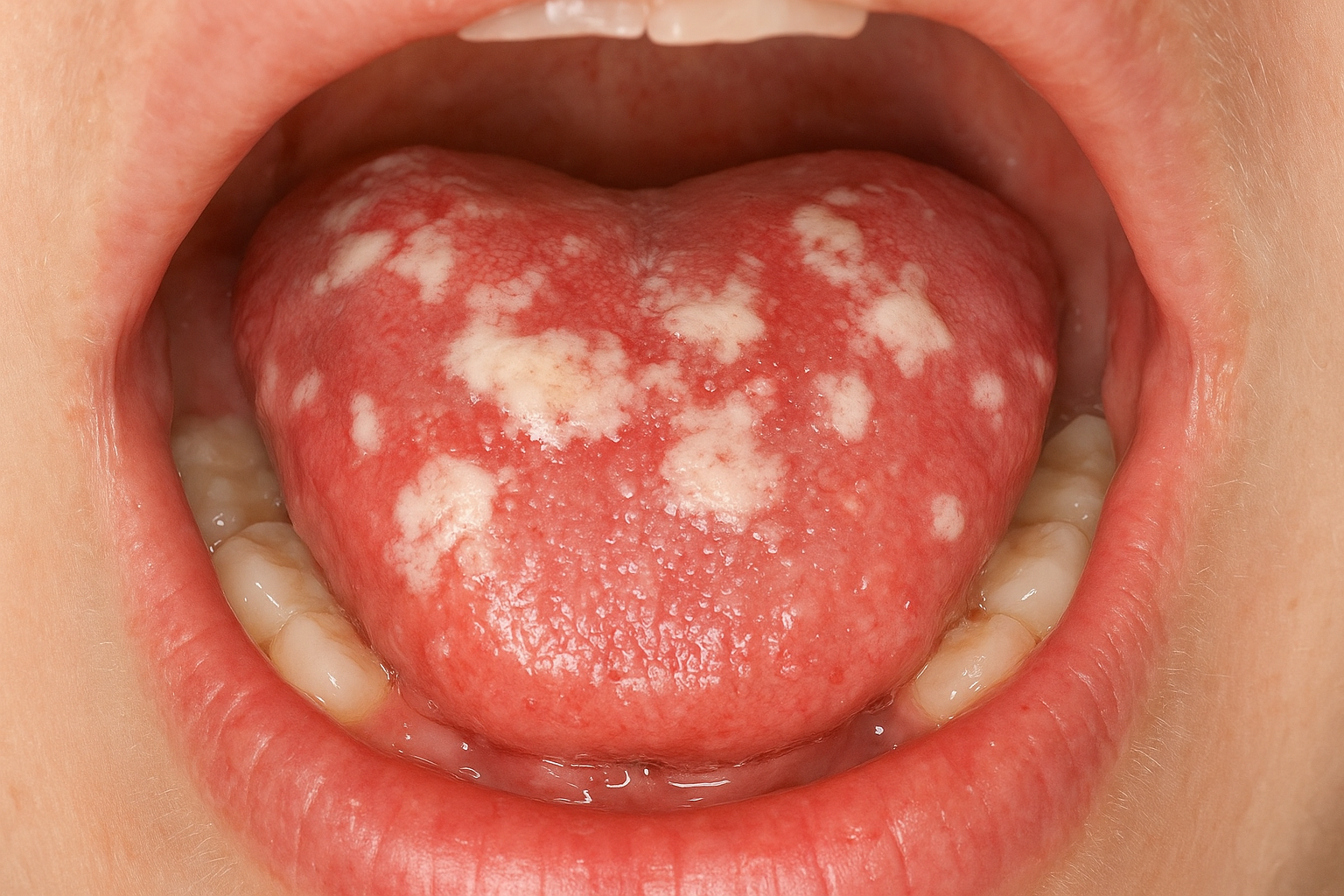
Oral ulcers—commonly known as mouth sores—are painful lesions that appear inside the mouth. They can form on the inner cheeks, tongue, gums, lips, or the roof of the mouth. Although oral ulcers are usually harmless and heal on their own, they can interfere with eating, drinking, and speaking. Understanding their causes and treatment can help prevent frequent episodes.
What Are Oral Ulcers?
Oral ulcers are small, round or oval lesions that appear as white, yellow, or grey sores surrounded by a red border. They may occur singly or in clusters. The most common type is the aphthous ulcer, also called a canker sore.
Most oral ulcers heal within 7–14 days, but recurring or persistent ulcers may indicate an underlying condition requiring medical attention.
Common Causes of Oral Ulcers
Several factors can contribute to the development of mouth ulcers:
1. Injury or Trauma
- Biting the inside of the cheek
- Hard or rough food
- Accidental toothbrush injury
- Ill-fitting dentures or braces
2. Nutritional Deficiencies
Deficiencies in the following vitamins may trigger oral ulcers:
- Vitamin B12
- Folic acid
- Iron
- Zinc
3. Stress and Hormonal Changes
Stress or hormonal fluctuations (e.g., during menstruation) can increase the chances of ulcer formation.
4. Food Sensitivities
Spicy, acidic, or hot foods may irritate the mouth and trigger ulcers. Allergies to nuts, chocolate, or gluten may also lead to recurrent sores.
5. Medical Conditions
- Viral infections
- Gastrointestinal diseases (Crohn’s disease, celiac disease)
- Autoimmune disorders
- Low immunity
6. Medications
Some medications may irritate the mouth and cause ulcers, such as:
- Non-steroidal anti-inflammatory drugs (NSAIDs)
- Certain antibiotics
- Chemotherapy drugs
Symptoms of Oral Ulcers
You may experience:
- Burning or tingling sensation before the ulcer appears
- Painful sore with a red edge
- Difficulty eating spicy or salty foods
- Swelling in the surrounding area
- Mild fever (in some cases)
Treatment Options for Oral Ulcers
1. Topical Treatments
- Antiseptic mouth gels
- Oral ulcer creams
- Benzocaine-based gels for pain relief
- Hydrocortisone preparations (prescribed)
2. Mouth Rinses
- Antimicrobial mouthwash
- Saltwater rinse
- Baking soda rinse to reduce acidity
3. Vitamin Supplements
If the ulcer is due to nutritional deficiencies, doctors may prescribe:
- Vitamin B complex
- Iron supplements
- Multivitamins
4. Pain Relief
Over-the-counter pain relievers may help reduce discomfort.
5. Additional Medical Care
Seek medical attention if ulcers:
- Last more than 2 weeks
- Keep recurring
- Are unusually large
- Are accompanied by fever or other symptoms
Home Remedies for Quick Healing
- Apply honey to the ulcer (natural antibacterial effect)
- Use coconut oil to reduce inflammation
- Rinse with warm saltwater
- Apply ice cubes gently
- Avoid spicy and acidic foods
Prevention Tips
- Maintain good oral hygiene
- Brush gently with a soft-bristle toothbrush
- Avoid foods that trigger ulcers
- Reduce stress through exercise or relaxation techniques
- Stay hydrated
- Ensure a balanced diet rich in vitamins and minerals
When to See a Dentist or Doctor
If the ulcer is persistent, very painful, or associated with other symptoms like fever, swollen glands, or difficulty swallowing, it is important to consult a healthcare professional. Frequent ulcers may indicate an underlying health issue that requires proper diagnosis and treatment.
Conclusion
Oral ulcers are common but can be painful and inconvenient. With proper care, nutrition, and lifestyle management, most ulcers heal quickly. If you experience recurrent or long-lasting ulcers, seek medical advice to rule out underlying conditions.