Microneedling is a popular minimally invasive cosmetic procedure used to improve skin texture, tone, and overall appearance. It is widely used to treat acne scars, fine lines, wrinkles, enlarged pores, pigmentation, and hair loss. Due to its effectiveness and safety, microneedling has become a preferred skin rejuvenation treatment worldwide.
What Is Microneedling?
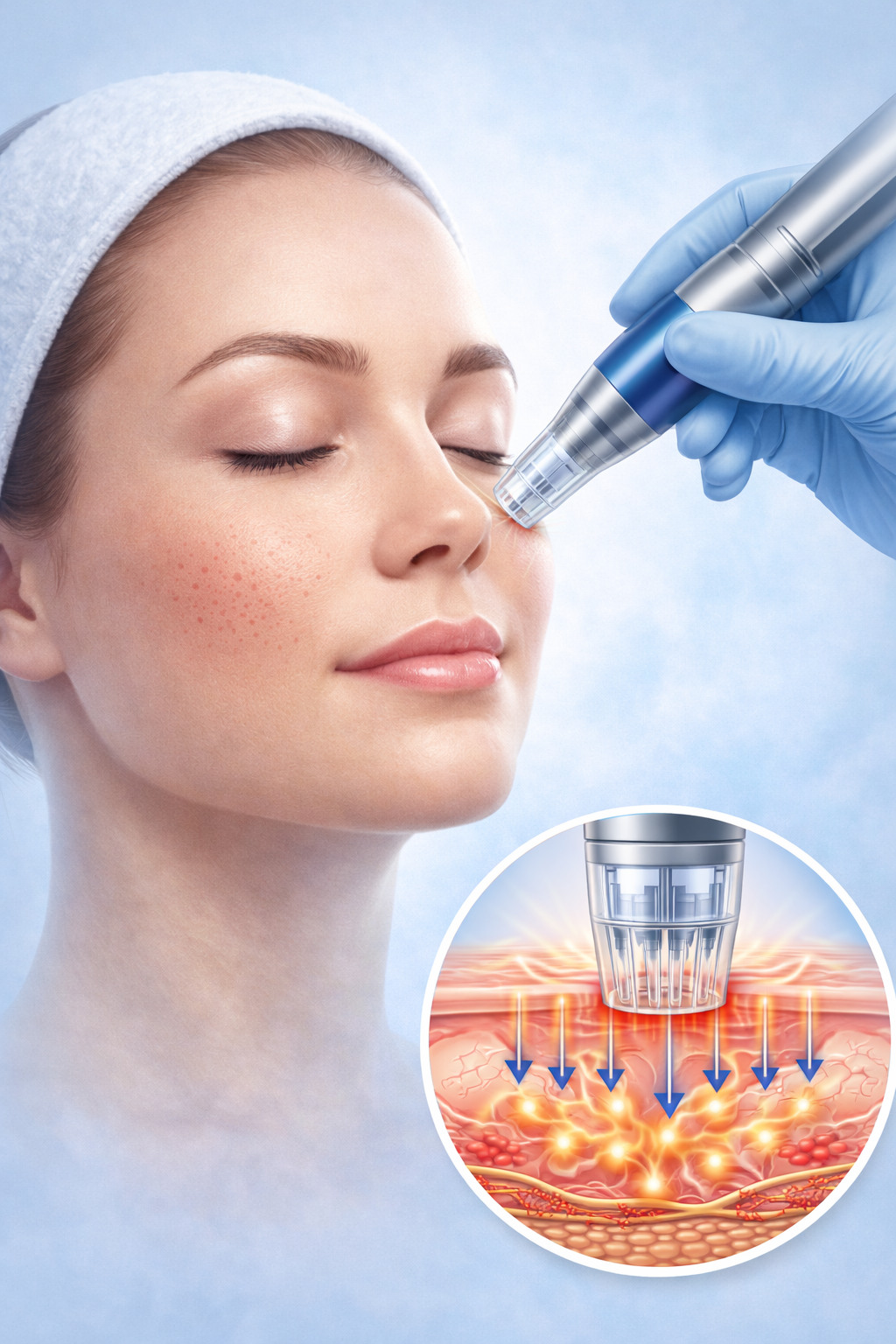
Microneedling, also known as collagen induction therapy, involves the use of a device with fine, sterile needles to create tiny micro-injuries on the skin. These controlled injuries stimulate the body’s natural healing response, leading to increased production of collagen and elastin, which are essential for healthy and youthful skin.
How Does Microneedling Work?
When the tiny needles penetrate the skin:
- The body activates its repair mechanism
- New collagen and elastin fibers are formed
- Skin becomes firmer, smoother, and more even-toned
Microneedling also enhances the absorption of serums and growth factors applied during the procedure.
Benefits of Microneedling
Microneedling offers multiple skin and hair benefits, including:
- Reduction of acne scars and surgical scars
- Improvement in fine lines and wrinkles
- Treatment of hyperpigmentation and melasma
- Shrinking of enlarged pores
- Improved skin texture and tone
- Enhanced hair growth in androgenetic alopecia
- Minimal downtime compared to other procedures
Conditions Treated With Microneedling
Microneedling is commonly used for:
- Acne scars
- Stretch marks
- Sun-damaged skin
- Uneven skin tone
- Hair thinning and hair loss
- Aging skin
Microneedling Procedure
The procedure typically involves:
- Cleansing of the skin
- Application of topical anesthetic
- Controlled microneedling using a dermapen or roller
- Application of soothing serum or PRP
- Post-procedure skincare instructions
A session usually lasts 30–60 minutes.
Is Microneedling Painful?
Microneedling is generally well-tolerated. A numbing cream is applied before the procedure to minimize discomfort. Patients may feel mild prickling or pressure during treatment.
Aftercare and Recovery
After microneedling:
- Mild redness and swelling may occur for 24–48 hours
- Avoid sun exposure and makeup for 24 hours
- Use sunscreen and gentle skincare products
- Follow dermatologist’s aftercare advice
Most people resume normal activities within a day.
Risks and Side Effects
Microneedling is safe when performed by trained professionals. Possible side effects include:
- Temporary redness
- Mild swelling
- Skin sensitivity
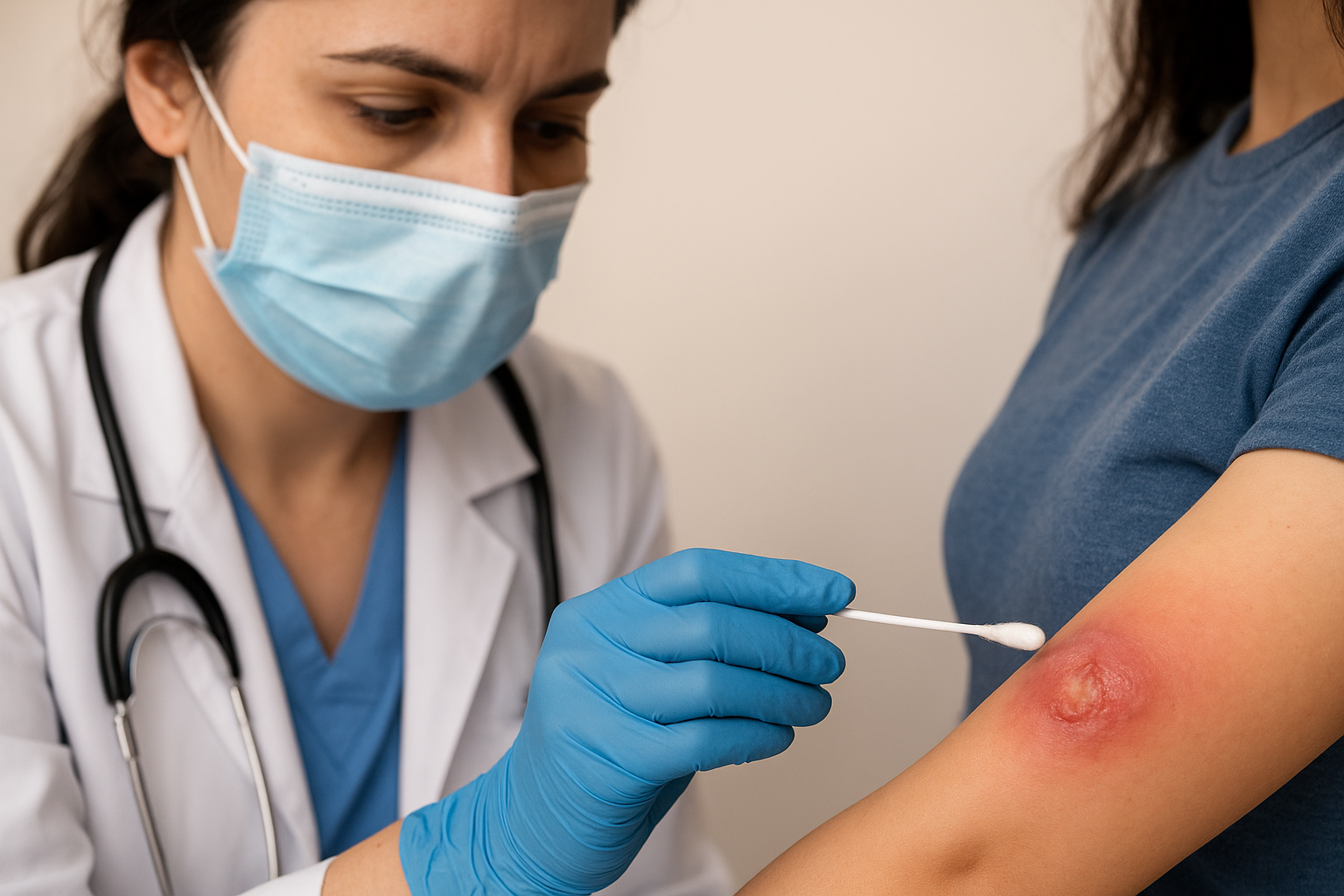
- Rare risk of infection if hygiene is poor
Who Should Avoid Microneedling?
Microneedling may not be suitable for individuals with:
- Active skin infections
- Severe acne
- Eczema or psoriasis
- Bleeding disorders
Consult a dermatologist before treatment.
How Many Sessions Are Needed?
For best results:
- 3–6 sessions are usually recommended
- Sessions are spaced 4–6 weeks apart
- Results gradually improve over time
Conclusion
Microneedling is an effective, safe, and scientifically proven treatment for skin rejuvenation and hair restoration. By stimulating natural collagen production, it improves skin quality with minimal downtime. When performed by qualified professionals, microneedling delivers long-lasting and visible results.
🔍 SEO Keywords
- Microneedling treatment
- Collagen induction therapy
- Microneedling for acne scars
- Microneedling benefits
- Dermapen treatment
- Microneedling for hair loss