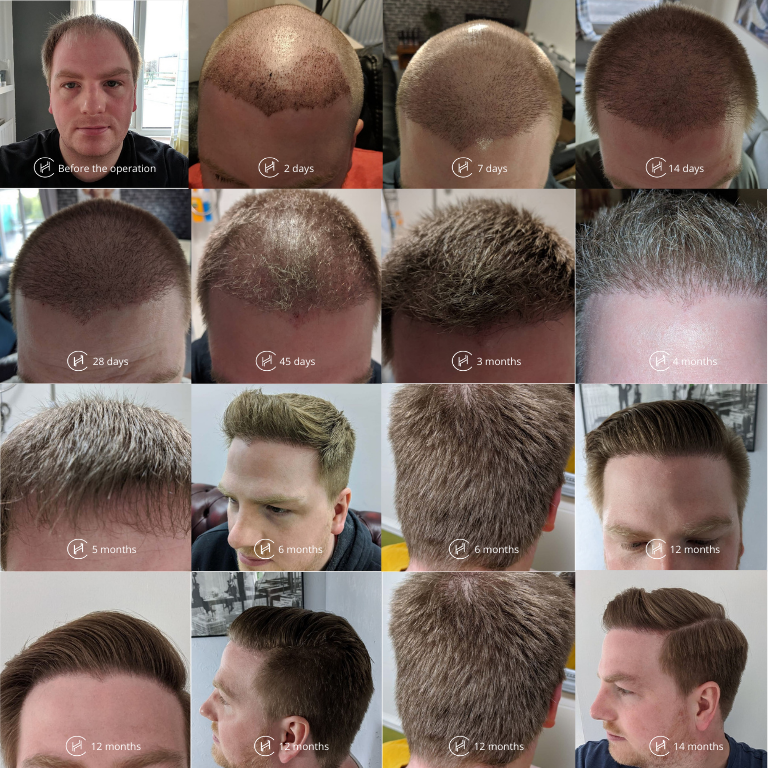
Hair transplantation is one of the most effective and permanent solutions for treating hair loss in both men and women. With modern medical technology, restoring natural-looking hair has become safer, less painful, and highly successful. Millions of people worldwide now choose hair transplantation to regain confidence and a fuller appearance.
What Is Hair Transplantation?
Hair transplantation is a surgical procedure in which healthy hair follicles are taken from a donor area (usually the back or sides of the scalp) and implanted into areas affected by baldness or thinning.
Because the donor hair is genetically resistant to hair loss, the transplanted hair continues to grow permanently.
Common Reasons for Hair Transplantation
People consider hair transplant surgery due to:
- Male or female pattern baldness
- Hair thinning from aging
- Hair loss after illness or stress
- Burn or injury scars
- Receding hairline or patchy beard growth
Types of Hair Transplant Techniques
✅ 1. FUE (Follicular Unit Extraction)
- Individual hair follicles are extracted and transplanted
- No large scars
- Faster healing
- Natural hair growth results
✅ 2. FUT (Follicular Unit Transplantation)
- A strip of scalp is removed to collect follicles
- More grafts in one session
- Small linear scar at donor site
Your surgeon selects the best method depending on your hair loss pattern and scalp condition.
Procedure of Hair Transplantation
The hair transplant process typically includes:
- Consultation & planning
- Local anesthesia
- Donor hair extraction
- Implantation into thinning or bald areas
- Post-procedure care and instructions
The entire procedure usually lasts 4 to 8 hours and is performed on an outpatient basis.
Recovery After Hair Transplant
- Mild swelling or redness subsides within a few days
- Small scabs fall off in 7–10 days
- Transplanted hair sheds temporarily
- New hair growth starts within 3–4 months
- Full results become visible at 9–12 months
Benefits of Hair Transplantation
🌱 Permanent hair restoration
🌱 Natural hair growth pattern
🌱 Improved appearance and confidence
🌱 Low maintenance results
🌱 Safe and minimally invasive
Possible Side Effects
Hair transplantation is generally safe, but mild temporary effects may occur:
- Swelling
- Redness
- Itching or numbness
- Minor infection (rare)
Choosing an experienced medical professional greatly reduces risks.
Who Is an Ideal Candidate?
You may be a good candidate for hair transplantation if:
✅ You have stable hair loss
✅ Good donor hair supply exists
✅ Your scalp is healthy
✅ You have realistic expectations about results
Cost of Hair Transplantation
The cost of hair transplantation varies depending on:
- Number of grafts required
- Technique used (FUE or FUT)
- Clinic expertise
- Equipment quality
Always prioritize qualified surgeons and certified clinics over low-cost options.
Hair Transplant vs Other Treatments
| Treatment | Permanence |
|---|---|
| Hair oils & shampoos | Temporary support |
| Medications | Hair preservation |
| Laser therapy | Maintenance |
| Hair transplantation | ✅ Permanent solution |
When to Consult a Doctor?
Seek professional advice if:
✅ Hair thinning continues despite treatment
✅ Receding hairline worsens
✅ Bald patches affect your confidence
✅ Family history of baldness exists
A consultation determines whether a transplant is the right choice for you.
Final Thoughts
Hair transplantation offers a safe, permanent, and natural solution for hair loss when performed by skilled professionals. With proper evaluation and aftercare, patients achieve long-lasting and satisfying outcomes. Early treatment provides the best cosmetic results and restores not just hair, but confidence.