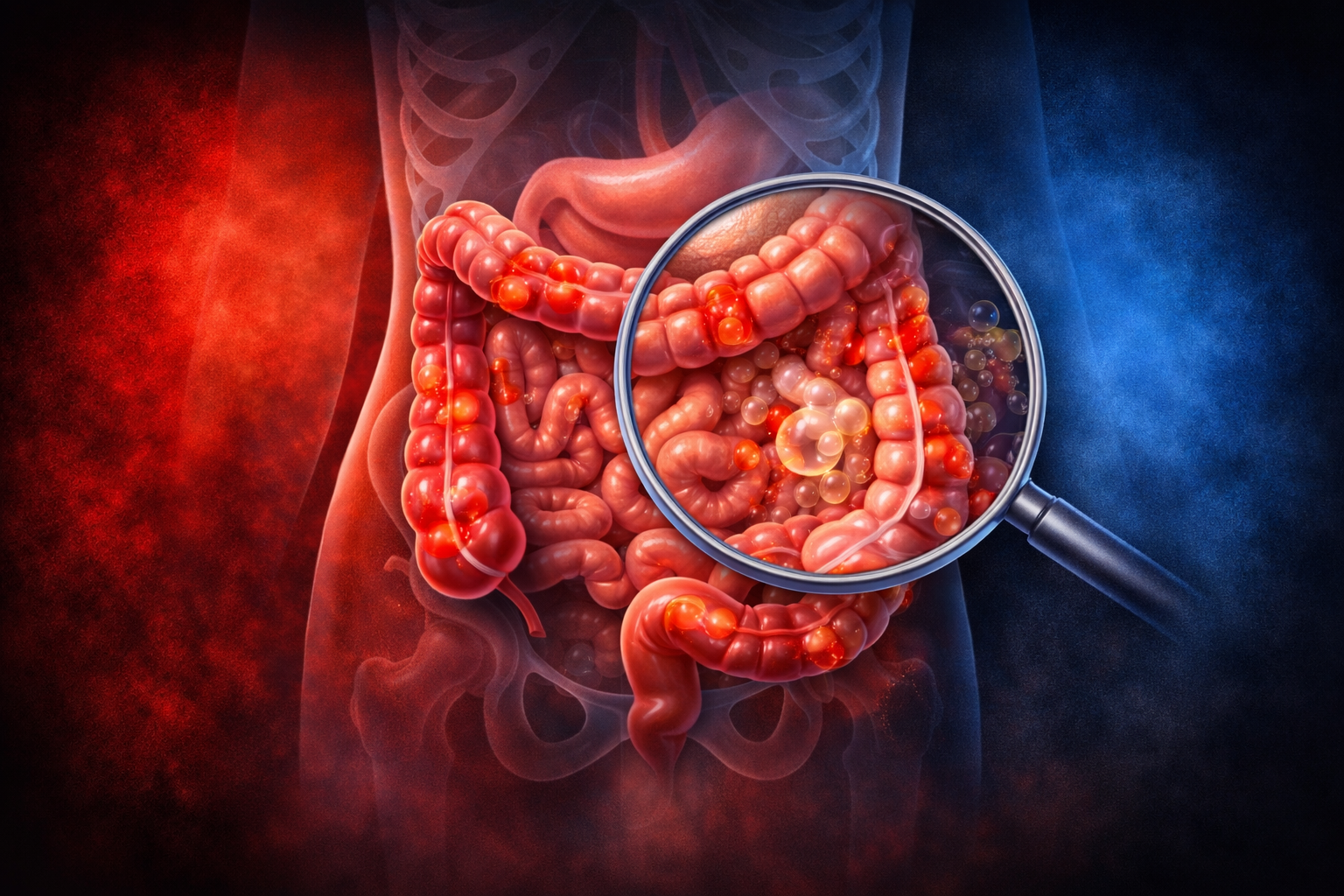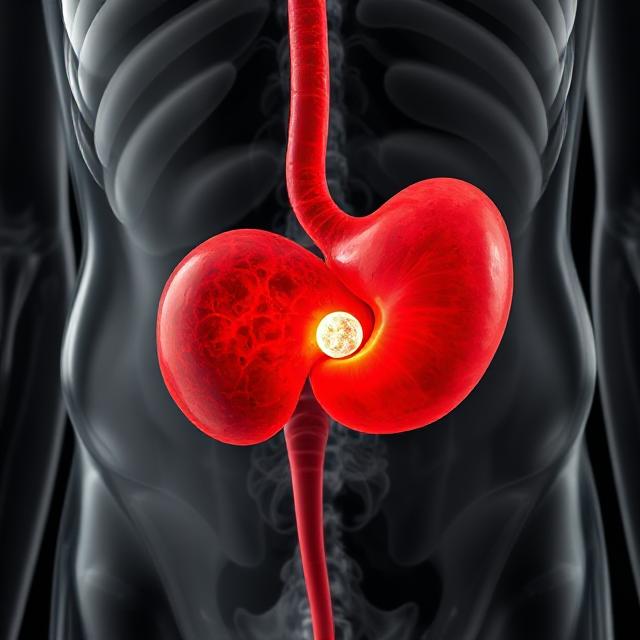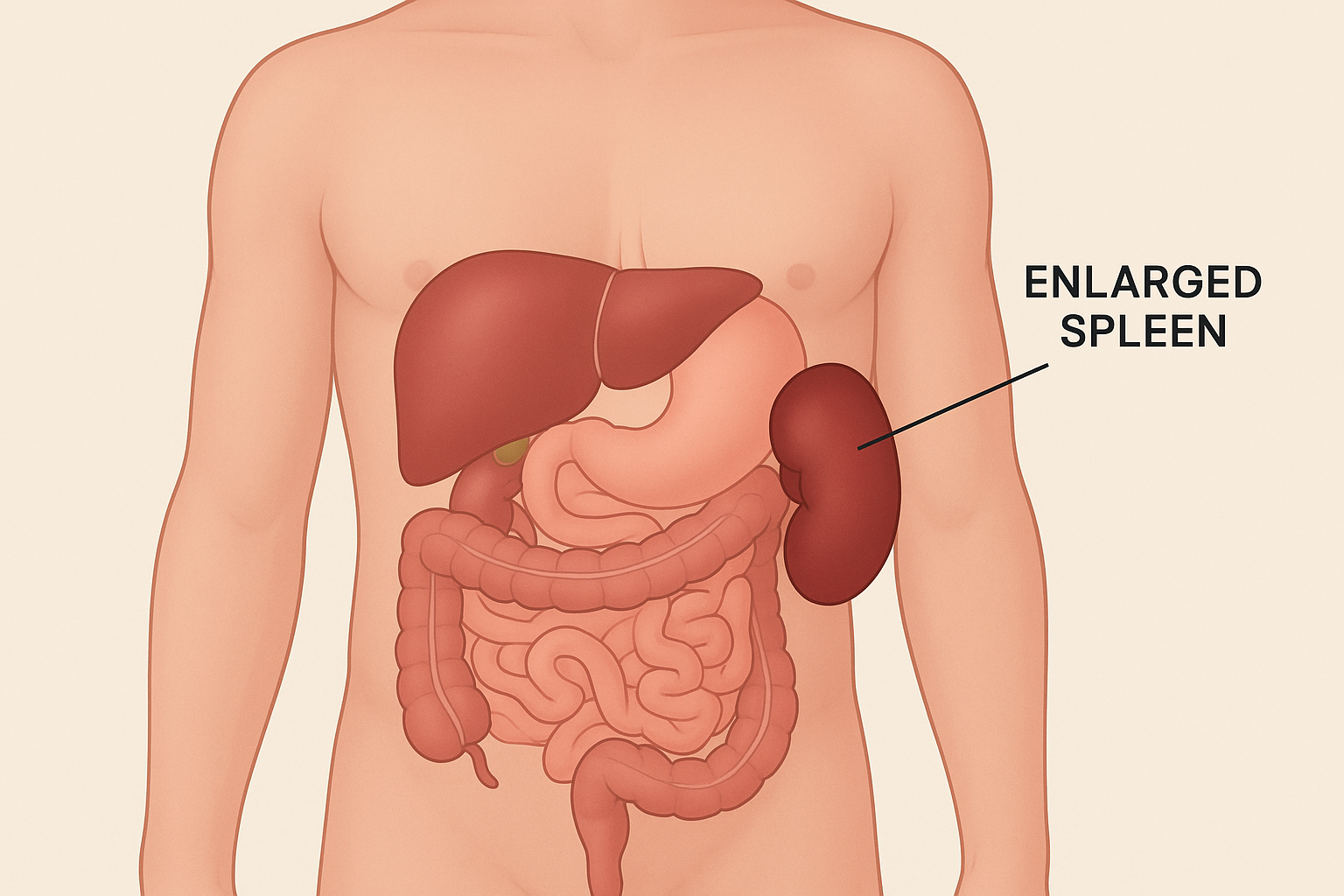
Splenomegaly refers to an abnormally enlarged spleen. The spleen is an important organ located in the upper left side of the abdomen, responsible for filtering blood, removing damaged red blood cells, fighting infection, and supporting immune function. When the spleen becomes enlarged, it may lose efficiency and can cause discomfort or serious health complications if untreated.
What Is Splenomegaly?
Normally, the spleen is about the size of a fist and weighs roughly 150 grams. In splenomegaly, the spleen can become significantly larger due to infection, liver disease, blood disorders, or cancer. In severe cases, it may occupy a much larger portion of the abdomen.
Splenomegaly can affect all age groups, from children to older adults.
Common Causes of Splenomegaly
Infectious Causes
- Viral infections (especially infectious mononucleosis)
- Bacterial infections (endocarditis, tuberculosis)
- Parasitic infections (malaria)
Liver and Circulatory Diseases
- Liver cirrhosis
- Portal hypertension
- Blood flow obstruction
Blood Disorders
- Hemolytic anemia
- Thalassemia
- Sickle cell disease
Cancers
- Leukemia
- Lymphoma
- Myeloproliferative disorders
Other Causes
- Autoimmune diseases (e.g., lupus, rheumatoid arthritis)
- Storage disorders (e.g., Gaucher disease)
- Trauma or splenic vein blockage
Symptoms of Splenomegaly
Mild splenomegaly may not cause noticeable symptoms. As the spleen enlarges, patients may experience:
- Fullness or pressure in the upper left abdomen
- Pain that may spread to the left shoulder
- Feeling full after small meals
- Fatigue or weakness
- Frequent infections
- Easy bleeding or bruising
- Anemia-related symptoms
How Is Splenomegaly Diagnosed?
Doctors typically combine physical examination with imaging tests:
- Abdominal ultrasound – confirms splenic size
- CT scan or MRI – determines cause and complications
- Blood tests – detects infections, anemia, or blood cancers
- Bone marrow biopsy – when hematologic disease is suspected
Treatment of Splenomegaly
Treatment focuses on managing the underlying cause rather than the spleen itself.
Medical Treatment
- Antibiotics for bacterial infections
- Antiviral or antiparasitic medicines when appropriate
- Medications for autoimmune diseases
- Chemotherapy or targeted therapy in cancer-related splenomegaly
Lifestyle and Monitoring
- Regular blood tests
- Ultrasound follow-ups
- Avoiding activities that could cause abdominal injury
Surgical Treatment
Splenectomy (surgical removal of the spleen) may be recommended if:
- The spleen ruptures
- Severe blood cell destruction occurs
- The condition does not respond to medications
After splenectomy, patients require vaccines and infection-prevention guidance.
Potential Complications
If left untreated, splenomegaly may result in:
- Splenic rupture, causing internal bleeding
- Worsening anemia and low platelets
- Recurrent infections
- Increased fatigue and weakness
Living With Splenomegaly
People diagnosed with splenomegaly should:
- Avoid contact sports
- Get vaccinated against pneumococcus, meningococcus, and influenza
- Seek immediate care for fever or abdominal pain
- Maintain regular follow-up visits
Timely treatment can prevent most complications and restore normal quality of life.
When to See a Doctor
Seek medical attention if you notice:
- Persistent left upper abdominal pain
- Unexplained fatigue
- Frequent infections
- Easy bruising or bleeding
Early diagnosis is critical to protect your immune health and prevent emergencies like splenic rupture.
Final Thoughts
Splenomegaly is often a sign of underlying disease rather than a condition on its own. With proper evaluation and treatment, most people recover well and avoid serious complications. Awareness of symptoms and rapid medical care are essential for safeguarding long-term heal.