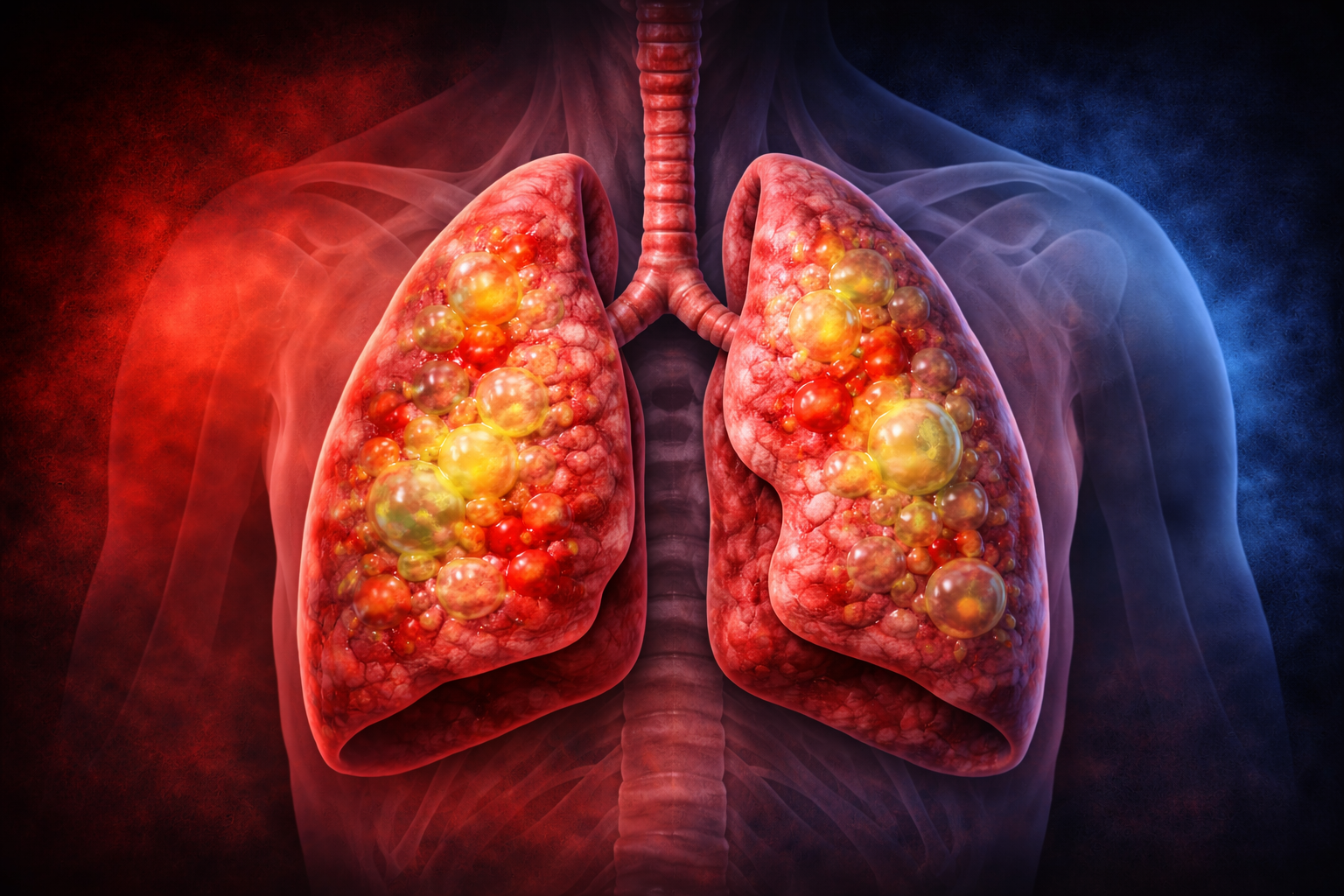
A chest infection is a common respiratory condition that affects the lungs or lower airways, causing inflammation and difficulty in breathing. It can range from a mild viral illness to a severe bacterial infection requiring medical attention. Chest infections are especially common during the winter months and among people with weak immune systems, chronic diseases, or smoking habits. Understanding the causes, symptoms, and treatment options is crucial for maintaining good lung health.
What is a Chest Infection?
A chest infection occurs when the lower respiratory tract — including the airways and lungs — becomes inflamed due to viral, bacterial, or fungal microorganisms. It interferes with normal breathing and may lead to the buildup of mucus or fluid in the lungs.
There are two main types of chest infections:
- Acute Bronchitis:
Inflammation of the bronchi (airways) that causes coughing and mucus production. - Pneumonia:
Infection that affects the air sacs (alveoli) in the lungs, leading to fluid accumulation and breathing difficulties.
Causes of Chest Infection
Chest infections can be triggered by various infectious agents and environmental factors.
1. Viral Causes:
- Influenza virus (Flu)
- Rhinovirus (Common cold virus)
- Respiratory Syncytial Virus (RSV)
- Coronavirus
2. Bacterial Causes:
- Streptococcus pneumoniae
- Haemophilus influenzae
- Mycoplasma pneumoniae
- Staphylococcus aureus
3. Risk Factors:
- Smoking or exposure to second-hand smoke
- Weakened immune system
- Asthma or Chronic Obstructive Pulmonary Disease (COPD)
- Air pollution or workplace dust exposure
- Old age or very young children
- Cold or damp environments
Symptoms of Chest Infection
Chest infection symptoms may vary in severity depending on the cause and individual health condition. Common symptoms include:
- Persistent cough (dry or with phlegm)
- Shortness of breath
- Chest pain or tightness
- Wheezing sounds while breathing
- Fever and chills
- Fatigue and weakness
- Loss of appetite
- Green, yellow, or rust-colored sputum
In severe cases (especially pneumonia), symptoms may include:
- High fever
- Rapid heartbeat
- Confusion (especially in elderly patients)
- Bluish lips or fingertips (due to lack of oxygen)
Diagnosis
A healthcare professional may perform several tests to diagnose a chest infection accurately:
- Physical examination: Listening to the chest for abnormal breathing sounds.
- Chest X-ray: To detect infection or fluid in the lungs.
- Blood tests: To identify signs of infection and inflammation.
- Sputum test: To determine whether the infection is viral or bacterial.
- Pulse oximetry: To measure blood oxygen levels.
Treatment of Chest Infection
Treatment depends on the type of infection and its severity.
1. Viral Chest Infections:
- Most viral infections improve within 1–2 weeks.
- Supportive care includes:
- Plenty of rest and hydration
- Steam inhalation or humidified air
- Over-the-counter medicines for fever or pain
- Avoiding cough suppressants if mucus needs to be cleared
2. Bacterial Chest Infections:
- Antibiotics are prescribed based on the identified bacteria.
- Completing the full course of antibiotics is essential to prevent resistance.
3. Severe or Hospitalized Cases:
- Oxygen therapy
- Intravenous fluids
- Breathing support in critical conditions (e.g., pneumonia)
Home Remedies and Self-Care
- Drink warm fluids such as herbal teas or soups.
- Use steam inhalation to loosen mucus.
- Avoid smoking and smoky environments.
- Take rest to allow the immune system to recover.
- Keep the head elevated while sleeping to ease breathing.
Prevention of Chest Infections
Prevention is always better than cure. You can lower your risk by following these tips:
- Wash hands frequently.
- Avoid contact with people who have cold or flu symptoms.
- Maintain a healthy diet rich in fruits and vegetables.
- Get vaccinated against influenza and pneumococcal disease.
- Exercise regularly to strengthen lungs and immunity.
- Quit smoking and avoid exposure to pollutants.
When to See a Doctor
Seek immediate medical attention if you experience:
- Persistent high fever
- Chest pain that worsens with breathing
- Shortness of breath or rapid breathing
- Cough with blood-streaked mucus
- Drowsiness or confusion
- Symptoms not improving after 7–10 days
Conclusion
A chest infection can range from mild bronchitis to severe pneumonia, but most cases can be effectively treated with early intervention and proper care. Strengthening your immune system, maintaining good hygiene, and getting vaccinated are key to preventing future infections. Always consult your doctor for a correct diagnosis and treatment plan.