Lower Respiratory Tract Infection (LRTI) is a common but potentially serious illness that affects the lower parts of the respiratory system — including the trachea, bronchi, bronchioles, and lungs. Unlike upper respiratory infections, which are usually mild, LRTIs can be severe and may require medical attention, especially in infants, elderly people, and those with weakened immune systems.
What is a Lower Respiratory Tract Infection (LRTI)?
A Lower Respiratory Tract Infection refers to an infection that occurs in the airways and lungs below the voice box. It disrupts normal breathing and oxygen exchange, leading to coughing, shortness of breath, and chest discomfort.
Common types of LRTIs include:
- Bronchitis
- Bronchiolitis
- Pneumonia
- Tuberculosis (in chronic cases)
Causes of LRTI
LRTIs can be caused by viruses, bacteria, or occasionally fungi.
Common Viral Causes:
- Influenza virus
- Respiratory Syncytial Virus (RSV)
- Parainfluenza virus
- Adenovirus
- Coronavirus
Common Bacterial Causes:
- Streptococcus pneumoniae
- Haemophilus influenzae
- Mycoplasma pneumoniae
- Legionella pneumophila
Risk Factors
Certain groups are more susceptible to LRTIs:
- Infants and young children
- Elderly individuals
- People with asthma or chronic obstructive pulmonary disease (COPD)
- Smokers
- Immunocompromised patients (e.g., diabetics, cancer patients)
- Malnourished individuals
- Those exposed to air pollution or occupational dust
Symptoms of Lower Respiratory Tract Infection
Symptoms may vary depending on the severity and underlying cause, but common ones include:
- Persistent cough (dry or productive)
- Shortness of breath
- Chest pain or tightness
- Wheezing
- Fever and chills
- Fatigue and weakness
- Sputum production (which may be yellow, green, or blood-streaked)
Diagnosis
Accurate diagnosis helps determine the type and cause of infection for effective treatment. Common diagnostic tools include:
- Physical examination (listening to the lungs with a stethoscope)
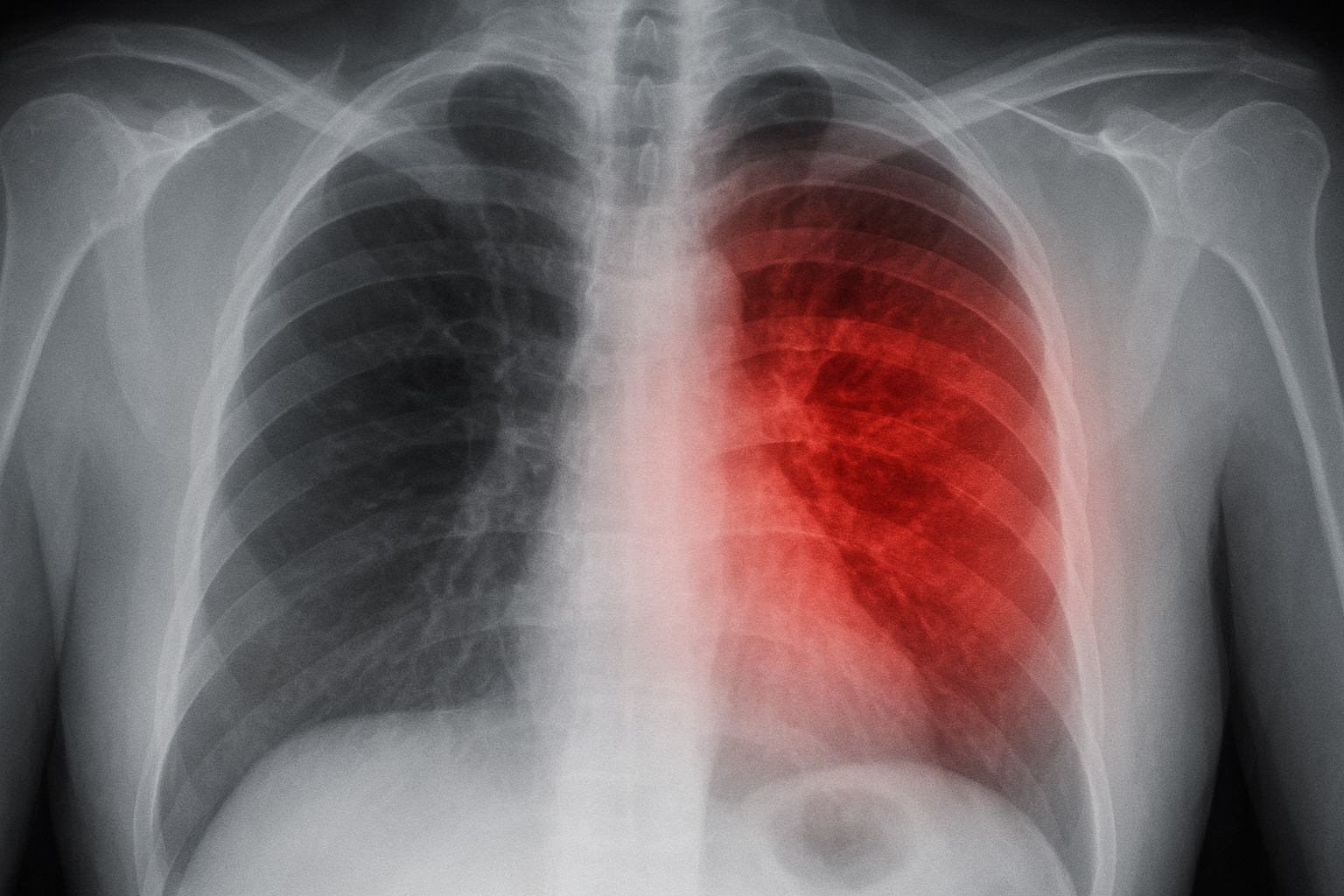
- Chest X-ray to detect lung involvement
- Sputum culture to identify bacterial infection
- Blood tests to assess infection severity
- Pulse oximetry to measure oxygen levels
- PCR tests for viral detection
Treatment of LRTI
Treatment depends on whether the infection is viral or bacterial.
1. Viral LRTIs:
- Most viral infections are self-limiting.
- Supportive care includes:
- Rest and hydration
- Steam inhalation
- Cough suppressants (if prescribed)
- Fever control with paracetamol or ibuprofen
2. Bacterial LRTIs:
- Antibiotics are prescribed based on bacterial culture or clinical suspicion.
- Commonly used antibiotics include amoxicillin, azithromycin, or levofloxacin (as advised by the physician).
3. Severe Cases:
- Hospitalization may be required for oxygen therapy or intravenous fluids.
- In pneumonia, early antibiotic treatment improves recovery and reduces complications.
Prevention of Lower Respiratory Tract Infections
Preventing LRTIs involves lifestyle modifications and vaccinations.
Preventive Measures:
- Wash hands regularly with soap and water.
- Avoid smoking and second-hand smoke.
- Stay away from people who are coughing or sneezing.
- Maintain a healthy diet and exercise regularly to boost immunity.
- Get vaccinated against influenza and pneumococcal infections.
- Keep indoor air clean and well-ventilated.
Complications
If untreated or severe, LRTIs can lead to:
- Respiratory failure
- Sepsis
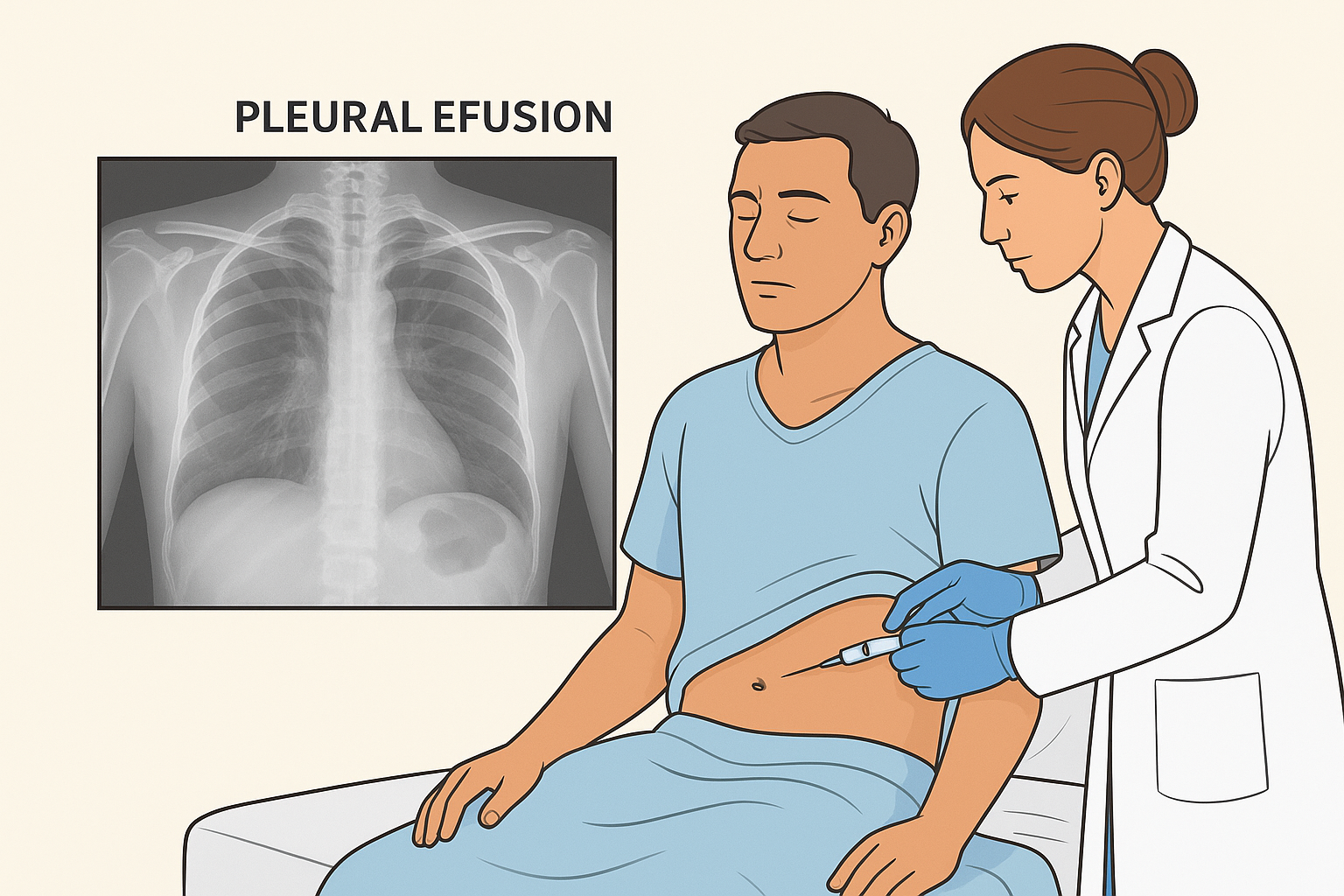
- Pleural effusion (fluid around the lungs)
- Chronic lung disease in vulnerable individuals
When to Seek Medical Help
Seek medical attention if you experience:
- High-grade fever lasting more than 3 days
- Difficulty breathing or rapid breathing
- Persistent chest pain
- Cough with blood or thick green sputum
- Lethargy or confusion (especially in elderly patients)
Conclusion
Lower Respiratory Tract Infections can range from mild bronchitis to severe pneumonia. Recognizing the symptoms early, maintaining good hygiene, and adopting preventive measures such as vaccination are key to protecting respiratory health. If symptoms worsen, timely medical consultation ensures effective treatment and prevents complications.