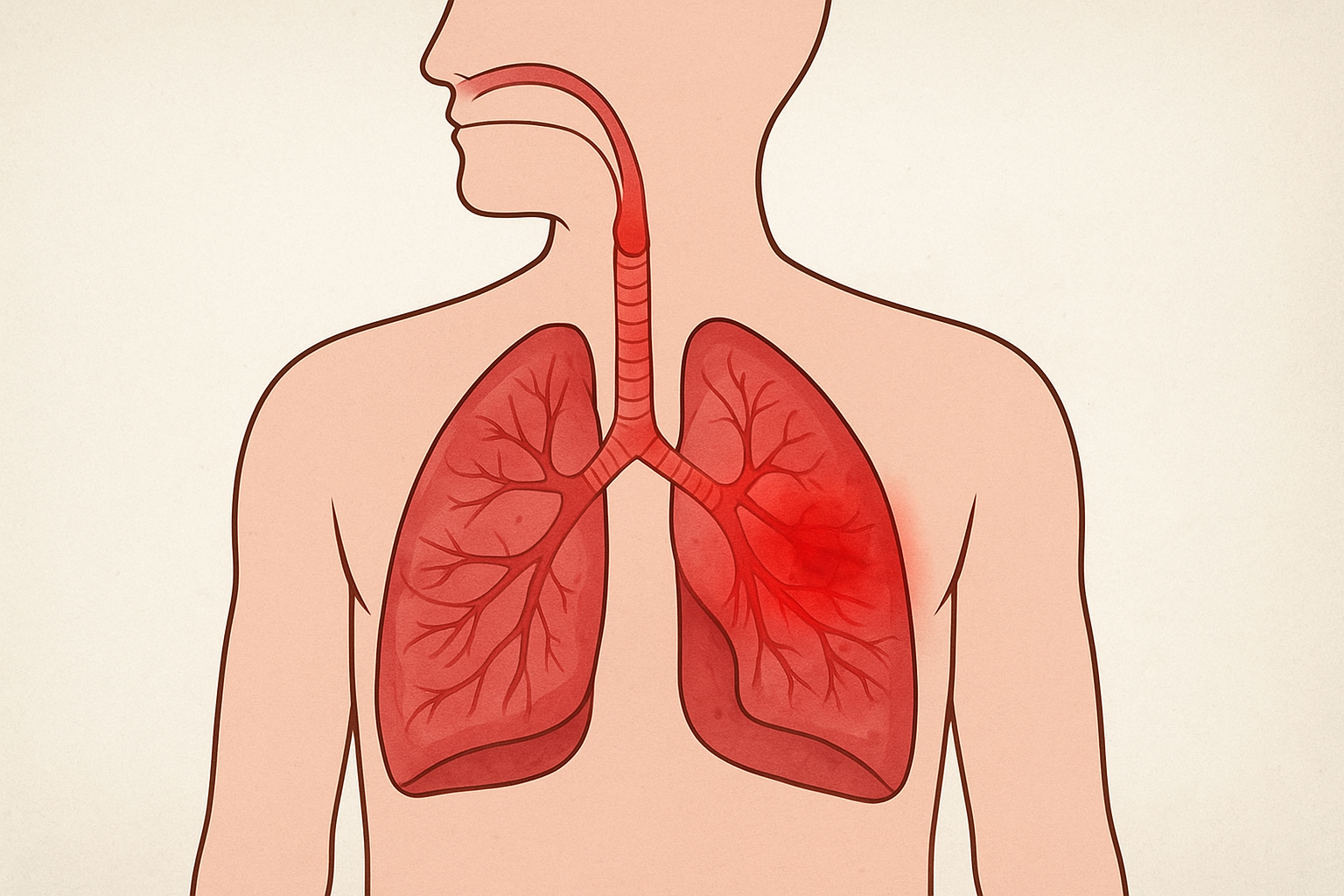
Cough is one of the most common symptoms that brings people to a doctor. While it’s a normal body reflex that helps clear the throat and airways, a persistent or severe cough can indicate an underlying health condition. Understanding the causes, types, and treatments of cough is essential for effective management and prevention.
What Is a Cough?
A cough is your body’s way of protecting your lungs and airways. It occurs when irritants, mucus, or foreign particles stimulate nerves in the respiratory tract, prompting a reflex to expel them.
There are two main categories of cough:
- Acute cough: Lasts less than 3 weeks (commonly caused by infections like the flu or cold).
- Chronic cough: Persists longer than 8 weeks, often linked to chronic diseases such as asthma, COPD, or gastroesophageal reflux disease (GERD).
Common Causes of Cough
Cough can be triggered by several conditions, including:
- Viral infections: Such as the common cold, influenza, or COVID-19.
- Allergies: Dust, pollen, and pet dander can irritate airways.
- Asthma: Chronic airway inflammation leads to wheezing and coughing.
- Smoking: Irritates and damages the lining of the lungs.
- GERD: Acid reflux from the stomach can irritate the throat.
- Chronic Bronchitis or COPD: Caused by long-term exposure to irritants like smoke or pollution.
- Postnasal Drip: Mucus dripping from the nose into the throat, especially at night.
Types of Cough
- Dry (Non-productive) Cough: No mucus; often due to irritation or viral infections.
- Wet (Productive) Cough: Produces phlegm or mucus, seen in infections or chronic lung diseases.
- Whooping Cough: Caused by Bordetella pertussis bacteria; characterized by severe coughing fits.
- Cough with Blood (Hemoptysis): May indicate serious lung conditions such as tuberculosis or lung cancer — requires urgent medical attention.
Diagnosis
A doctor may recommend:
- Chest X-ray or CT scan to rule out infections or lung diseases.
- Blood tests to detect infection or allergies.
- Sputum test for bacteria or tuberculosis.
- Pulmonary function tests to check for asthma or COPD.
Treatment and Management
Treatment depends on the underlying cause:
- For infections: Rest, hydration, and mild cough suppressants.
- For allergies or asthma: Antihistamines, inhalers, and avoiding triggers.
- For GERD: Dietary changes and acid-reducing medications.
- For smokers: Quitting smoking is essential for recovery and prevention.
Home Remedies:
- Drink warm fluids and honey-based teas.
- Use a humidifier to moisten dry air.
- Gargle with warm salt water to soothe throat irritation.
When to See a Doctor
Consult a healthcare professional if you experience:
- Cough lasting more than 3 weeks
- Cough with blood or chest pain
- Shortness of breath or wheezing
- Fever or unexplained weight loss
Prevention Tips
- Avoid smoking and exposure to secondhand smoke.
- Get vaccinated for flu, COVID-19, and pertussis.
- Maintain good hand hygiene.
- Strengthen immunity through a balanced diet and regular exercise.
Conclusion
Cough is a protective reflex but should not be ignored when persistent or severe. Early diagnosis and proper treatment help prevent complications. If you have a chronic cough, consult your healthcare provider for an accurate diagnosis and effective management plan.