An abscess is a localized collection of pus caused by infection, usually due to bacteria. It can occur anywhere in the body — under the skin, in muscles, or even in internal organs. Understanding its causes, symptoms, and timely treatment is essential for preventing complications and promoting faster healing.
What is an Abscess?
An abscess is the body’s natural defense response to infection. When bacteria invade the tissue, the immune system sends white blood cells to the area to fight off the infection. The accumulation of dead cells, bacteria, and tissue debris leads to the formation of pus, creating a painful, swollen lump.
There are different types of abscesses, such as:
- Skin abscess (boil): Common on the face, armpits, or buttocks.
- Dental abscess: Forms near the tooth root or gums.
- Internal abscess: Develops in organs like the liver, lungs, or brain due to internal infections.
Causes of Abscess
Most abscesses are caused by bacterial infections, particularly Staphylococcus aureus. Other causes include:
- Blocked oil or sweat glands
- Ingrown hairs
- Infected wounds or cuts
- Weakened immune system (as in diabetes or HIV)
- Poor hygiene and skin care practices
Common Symptoms
Symptoms of an abscess depend on its location but usually include:
- Pain, tenderness, and redness in the affected area
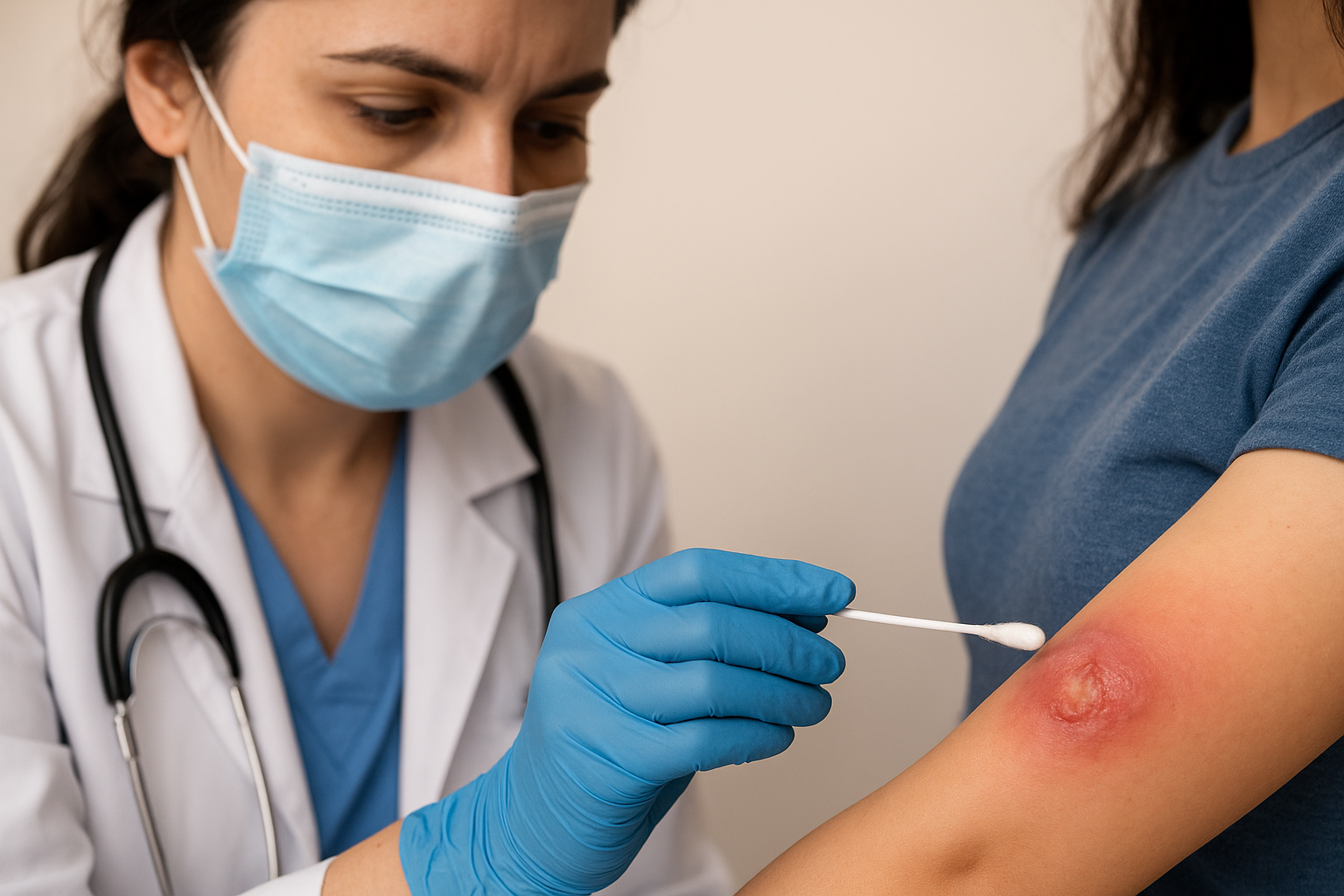
- Swelling or a lump filled with pus
- Warmth around the site
- Fever and fatigue (in severe cases)
- If it bursts, thick yellow or green discharge may appear
Diagnosis of Abscess
A doctor usually diagnoses a skin abscess through physical examination. For internal abscesses, imaging tests such as ultrasound, CT scan, or MRI may be required to locate the pus pocket.
Treatment and Management
Treatment aims to remove the pus and treat the underlying infection.
- Drainage:
The primary treatment is incision and drainage (I&D) — a minor surgical procedure done under sterile conditions. - Antibiotics:
Prescribed when there is a widespread infection, fever, or multiple abscesses. - Home Care:
- Apply warm compresses to promote natural drainage.
- Keep the area clean and covered.
- Avoid squeezing or popping the abscess yourself.
- Pain Relief:
Over-the-counter painkillers can help reduce pain and inflammation.
Prevention Tips
- Maintain good personal hygiene.
- Clean any minor cuts or wounds immediately.
- Avoid sharing razors or towels.
- Manage underlying conditions like diabetes.
- Seek early treatment for skin infections.
When to See a Doctor
Consult a doctor if:
- The abscess is larger than 1 cm.
- There is persistent fever.
- The abscess is near sensitive areas like the groin, face, or spine.
- You have a weak immune system.
Conclusion
An abscess may seem minor initially but can lead to severe infection if left untreated. Early recognition, proper drainage, and antibiotic treatment are key to recovery. Maintaining good hygiene and addressing infections early can prevent abscess formation and promote better health.