Sulfonylureas are one of the oldest and most widely used classes of oral antidiabetic drugs for the management of Type 2 Diabetes Mellitus (T2DM). Introduced in the 1950s, they have played a vital role in blood sugar control for millions of diabetic patients worldwide.
Despite the advent of newer medications like GLP-1 agonists and SGLT2 inhibitors, sulfonylureas continue to hold importance due to their proven efficacy, affordability, and ease of use.
What Are Sulfonylureas?
Sulfonylureas are oral hypoglycemic agents that work by stimulating insulin secretion from the pancreas. They are used primarily in Type 2 diabetes, where the pancreas can still produce insulin but not in sufficient amounts.
These drugs act directly on the β-cells (beta cells) of the pancreas, making them release more insulin, thereby reducing blood glucose levels.
Mechanism of Action
Sulfonylureas work by binding to specific receptors (the sulfonylurea receptor – SUR1) on pancreatic beta cells.
This binding leads to:
- Closure of ATP-sensitive potassium (K⁺) channels
- Depolarization of the beta cell membrane
- Opening of calcium (Ca²⁺) channels
- Influx of calcium ions triggers insulin release into the bloodstream
The end result is an increase in insulin availability, which helps lower blood glucose levels.
Commonly Used Sulfonylureas
Sulfonylureas are classified into first-generation and second-generation drugs.
1. First-Generation Sulfonylureas
These are older drugs and are now less commonly used due to their side effects and lower potency.
Examples include:
- Tolbutamide
- Chlorpropamide
- Tolazamide
2. Second-Generation Sulfonylureas
These are more potent, better tolerated, and used widely today.
Examples include:
- Glibenclamide (Glyburide)
- Glipizide
- Gliclazide
- Glimepiride
Among these, Glimepiride and Gliclazide MR (modified release) are preferred due to a lower risk of hypoglycemia and once-daily dosing convenience.
Indications of Sulfonylureas
Sulfonylureas are primarily prescribed for:
- Type 2 Diabetes Mellitus not controlled by diet and exercise alone
- Combination therapy with Metformin or other oral agents when monotherapy is insufficient
They are not used in Type 1 Diabetes, as the pancreas in these patients cannot produce insulin.
Dosage and Administration
- Usually started at low doses, taken once or twice daily before meals.
- Dosage is gradually increased based on blood glucose response.
- Should be used with careful blood sugar monitoring to prevent hypoglycemia.
Always take sulfonylureas before meals, as their mechanism depends on stimulating insulin secretion in response to food.
Side Effects of Sulfonylureas
While sulfonylureas are generally effective, they do carry some risks.
Common Side Effects:
- Hypoglycemia (low blood sugar) — especially with missed meals or excessive dosing
- Weight gain — due to increased insulin levels
- Nausea or stomach upset
- Allergic skin reactions
Rare but Serious Side Effects:
- Liver toxicity
- Hyponatremia (especially with chlorpropamide)
- Blood disorders (e.g., hemolytic anemia, leukopenia — very rare)
Precautions and Contraindications
Sulfonylureas should be avoided or used cautiously in:
- Type 1 diabetes or diabetic ketoacidosis (DKA)
- Severe kidney or liver disease
- Elderly patients prone to hypoglycemia
- Pregnancy and breastfeeding (use insulin instead)
Patients should also avoid excessive alcohol, as it can increase the risk of low blood sugar.
Advantages of Sulfonylureas
- Rapid and effective blood sugar reduction
- Affordable and widely available
- Easy once-daily dosing (with newer agents like Glimepiride)
- Can be combined with Metformin or other oral drugs
Limitations
- Risk of hypoglycemia, especially in the elderly
- Weight gain due to increased insulin levels
- Loss of effectiveness over time (secondary failure)
- May not protect against heart or kidney disease like newer agents (SGLT2 inhibitors or GLP-1 analogs)
Sulfonylureas in Combination Therapy
Sulfonylureas are often used with:
- Metformin – to combine insulin stimulation with improved insulin sensitivity
- DPP-4 inhibitors or SGLT2 inhibitors – for better glycemic control
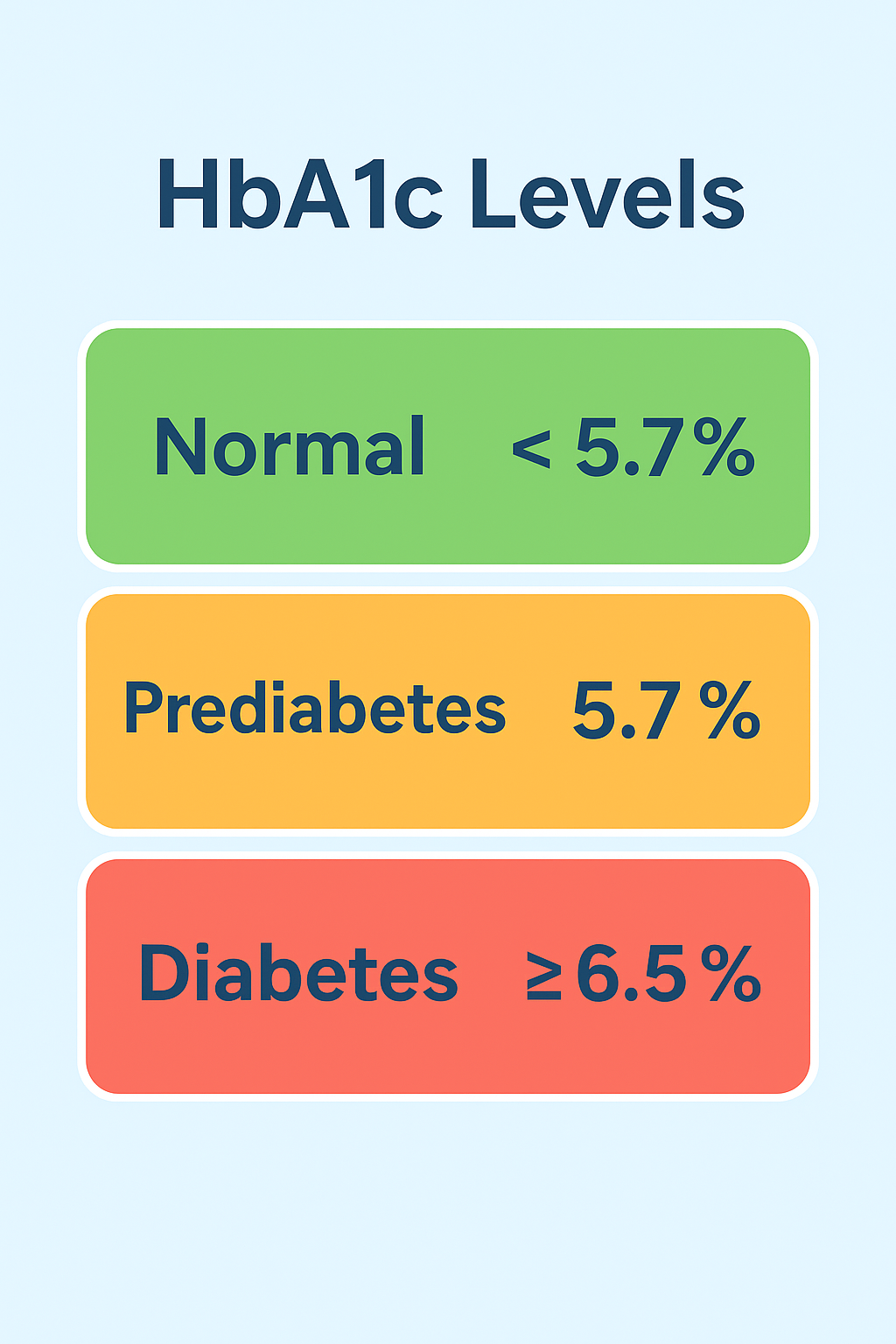
Combination therapy helps achieve target HbA1c levels while minimizing side effects.
Latest Updates and Clinical Insights
Recent studies suggest that:
- Gliclazide MR and Glimepiride have improved safety profiles with fewer hypoglycemic episodes.
- Newer long-acting formulations provide steady glucose control throughout the day.
- While newer drug classes are gaining popularity, sulfonylureas remain essential in resource-limited settings due to their low cost and strong evidence base.
Conclusion
Sulfonylureas continue to be a cornerstone in diabetes management, especially for patients with Type 2 Diabetes needing effective and economical therapy.
Though newer medications offer additional benefits, modern sulfonylureas like Glimepiride and Gliclazide MR provide a balance of efficacy, safety, and affordability when used appropriately under medical supervision.
Patients should always take these medicines as prescribed, monitor their blood glucose regularly, and discuss any symptoms of low blood sugar with their healthcare provider.