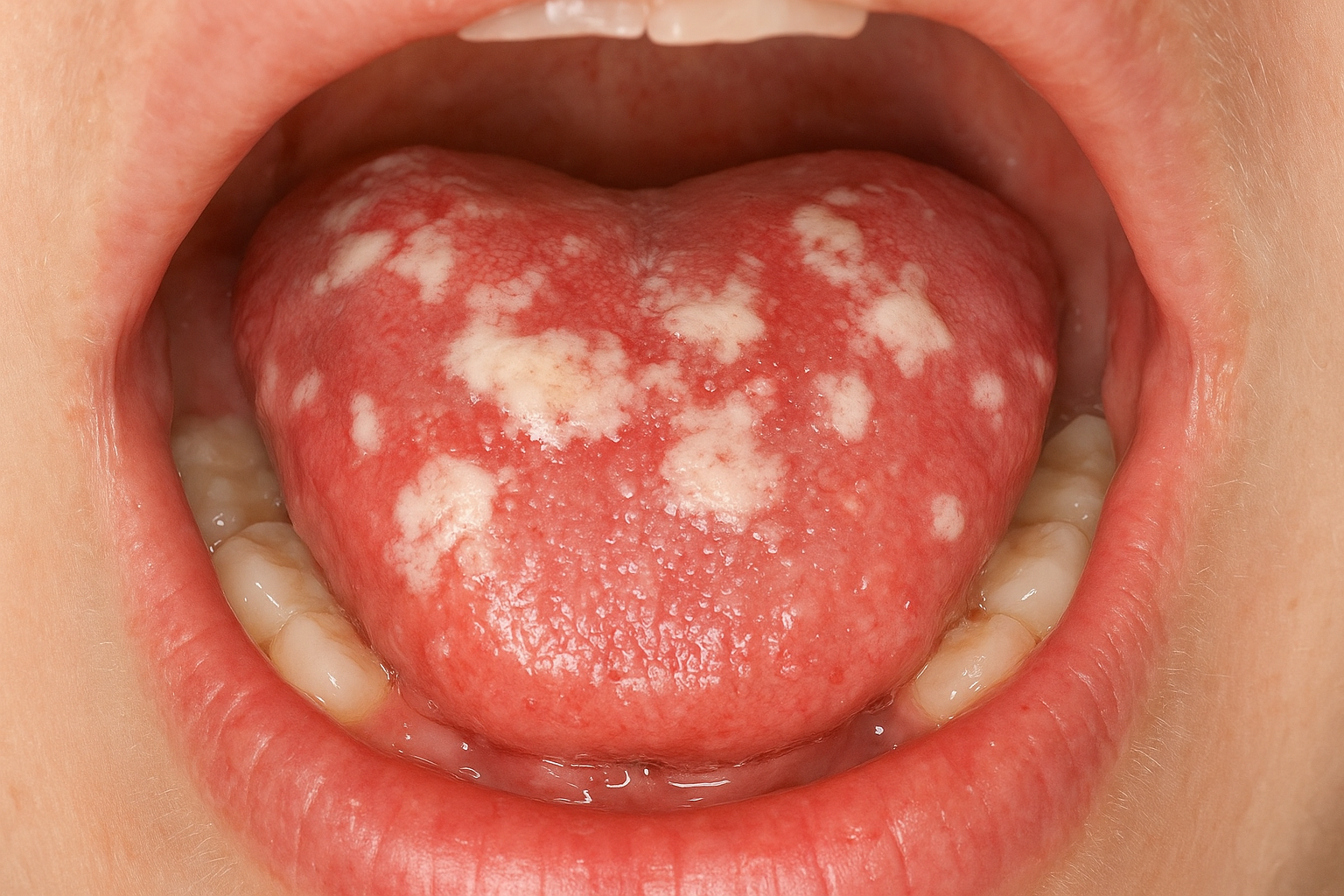
Oral candidiasis, also known as oral thrush, is a fungal infection of the mouth caused by the overgrowth of Candida albicans. While small amounts of Candida normally live in the mouth, certain conditions can cause this fungus to multiply excessively, leading to infection. Oral thrush is common among infants, elderly individuals, people with diabetes, and those with weakened immune systems.
Understanding the causes, symptoms, treatments, and preventive steps can help you manage oral candidiasis effectively and reduce recurrence.
What Is Oral Candidiasis?
Oral candidiasis is a yeast infection that affects the tongue, inner cheeks, gums, tonsils, and sometimes the throat. It appears as creamy white or yellowish patches that can be wiped off, often leaving a red, sore surface underneath.
Although generally mild, oral thrush can be uncomfortable and may indicate an underlying health issue.
Common Causes of Oral Candidiasis
Several factors can disturb the balance of microorganisms in the mouth, leading to Candida overgrowth:
1. Weak Immune System
People with low immunity are more prone to fungal infections:
- Elderly individuals
- Infants
- Patients undergoing chemotherapy
- People with HIV/AIDS
2. Uncontrolled Diabetes
High sugar levels provide an ideal environment for fungal growth, increasing the risk of oral thrush.
3. Antibiotic Use
Long-term or repeated antibiotic use kills healthy bacteria, allowing Candida to multiply.
4. Poor Oral Hygiene
Improper brushing, dirty dentures, or infrequent dental cleaning can promote fungal growth.
5. Dry Mouth (Xerostomia)
Reduced saliva flow encourages Candida buildup.
6. Dentures
Ill-fitting or unclean dentures can harbor fungus and contribute to infection.
7. Inhaled Corticosteroids
Asthma inhalers, if not used properly, can increase fungal deposits in the mouth.
Symptoms of Oral Candidiasis
Common signs include:
- Creamy white, yellow, or cottage cheese–like patches
- Redness or soreness under the patches
- Burning sensation in the mouth
- Loss of taste
- Cracking at the corners of the mouth (angular cheilitis)
- Difficulty swallowing (in severe cases)
Types of Oral Candidiasis
1. Pseudomembranous Candidiasis
The most common form; appears as white plaques that can be wiped off.
2. Erythematous Candidiasis
Red, painful patches often associated with burning sensation.
3. Hyperplastic Candidiasis
Persistent white plaques that cannot be removed easily; needs medical evaluation.
Treatment Options for Oral Candidiasis
1. Antifungal Medications
Doctors may prescribe:
- Nystatin oral suspension
- Clotrimazole lozenges
- Fluconazole tablets
- Itraconazole (for resistant cases)
2. Managing Underlying Conditions
Controlling diabetes, treating dry mouth, or stopping unnecessary antibiotics helps prevent recurrence.
3. Denture Care
- Clean dentures daily
- Remove dentures at night
- Ensure proper fit
4. Good Oral Hygiene
- Brush twice daily
- Rinse mouth after meals
- Replace toothbrush frequently
5. Rinse Mouth After Using Inhalers
To prevent fungal buildup, always rinse after using inhaled corticosteroids.
Home Remedies for Relief
While not a substitute for medical treatment, these remedies may provide comfort:
- Saltwater rinses
- Warm water and baking soda solutions
- Coconut oil pulling (anti-fungal properties)
- Probiotics to restore healthy bacterial balance
How to Prevent Oral Candidiasis
- Maintain proper oral hygiene
- Control blood sugar levels
- Clean and disinfect dentures regularly
- Avoid excessive sugar intake
- Avoid smoking
- Keep the mouth moist by drinking plenty of water
Conclusion
Oral candidiasis is a common and treatable condition, but it can be uncomfortable and may indicate underlying health issues. With proper hygiene, timely medical treatment, and lifestyle modifications, most people recover quickly. Seek medical advice if symptoms are persistent, severe, or recurrent.