Type 1 diabetes is a lifelong condition in which the body cannot produce insulin, making daily blood sugar control essential. For people living with Type 1 diabetes, maintaining recommended blood sugar targets plays a major role in preventing complications, improving energy levels, and ensuring long-term health.
In this article, we explain the effects of following blood sugar targets in Type 1 diabetes, why these goals matter, and how balanced glucose control can change daily life and future outcomes.
Understanding Blood Sugar Targets
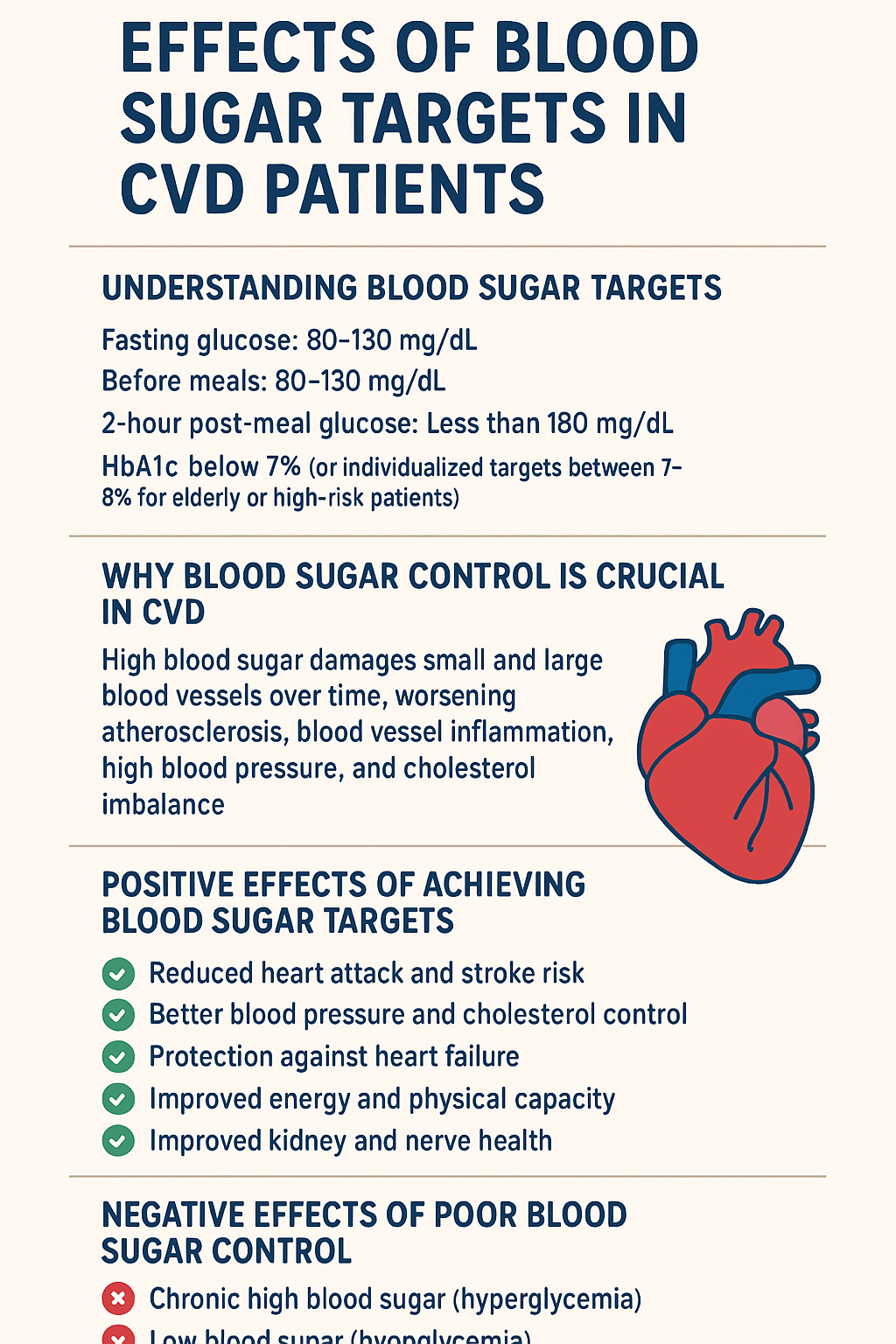
Blood sugar targets define the safe glucose ranges encouraged by healthcare professionals. These include:
- Fasting blood sugar
- Before-meal readings
- Post-meal (2-hour) levels
- HbA1c values (3-month average glucose)
Meeting these targets helps avoid both hyperglycemia (high sugar) and hypoglycemia (low sugar), which are common risks in Type 1 diabetes.
Common Blood Sugar Targets for Type 1 Diabetes
Appropriate targets may vary for individuals, but general guidelines include:
- Before meals: 80–130 mg/dL
- 2 hours after meals: Less than 180 mg/dL
- Bedtime: 90–150 mg/dL
- HbA1c: Below 7%
These goals are designed to ensure steady glucose levels while reducing the likelihood of dangerous lows.
Positive Effects of Achieving Blood Sugar Targets
1. Reduced Risk of Long-Term Complications
Maintaining stable glucose levels significantly lowers the risk of:
- Diabetic kidney disease
- Peripheral neuropathy (nerve damage)
- Vision loss and retinopathy
- Cardiovascular disease
2. Improved Daily Energy
Balanced blood sugar helps individuals feel:
- Less fatigue
- Improved clarity and focus
- Stable mood throughout the day
3. Fewer Hospital Visits
Consistent monitoring and achieving targets reduce:
- Emergency visits for ketoacidosis (DKA)
- Hospital treatment for severe hypoglycemia
4. Healthy Growth in Children
In children and adolescents with Type 1 diabetes:
- Proper glucose targets support physical development
- Improve learning concentration
- Reduce school absenteeism
5. Mental Well-being
Stable blood sugar reduces:
- Anxiety related to sugar swings
- Depression linked to diabetes burnout
- Irritability and stress
Negative Effects of Poor Blood Sugar Control
When blood sugar frequently remains outside target ranges:
High Blood Sugar (Hyperglycemia)
Prolonged high glucose levels cause:
- Excessive thirst and urination
- Weight loss and fatigue
- Increased risk of DKA
- Damage to eyes, nerves, heart, and kidneys
Low Blood Sugar (Hypoglycemia)
Over-aggressive insulin use or missed meals can lead to:
- Dizziness
- Sweating
- Confusion
- Seizures or unconsciousness
Repeated hypoglycemia may cause hypoglycemia unawareness, where warning symptoms disappear.
Role of HbA1c
HbA1c reflects your average blood glucose over the past 2–3 months and is a cornerstone in Type 1 diabetes management.
Target HbA1c:
- <7% for most adults
- <7.5% for children and teens
Every 1% reduction in HbA1c can greatly reduce the risk of diabetes complications.
How to Maintain Blood Sugar Targets in Type 1 Diabetes
✅ Frequent Glucose Monitoring
- Use finger-stick testing or Continuous Glucose Monitoring (CGM).
✅ Insulin Dose Management
- Adjust doses according to carbohydrate intake and physical activity.
✅ Balanced Nutrition
- Count carbohydrates accurately.
- Prioritize fiber-rich foods and lean protein.
✅ Regular Physical Activity
- Exercise increases insulin sensitivity and improves sugar control.
✅ Stress & Sleep Management
- Poor sleep and emotional stress can increase blood sugar levels.
The Importance of Personal Target Setting
Individual glucose targets may differ based on:
- Age
- Activity level
- Pregnancy status
- History of hypoglycemia
- Other medical conditions
Always consult your healthcare provider to define your personalized blood sugar goals.
Long-Term Effects of Proper Target Achievement
People who maintain stable glucose levels experience:
✅ Longer life expectancy
✅ Greater independence
✅ Less medication adjustment difficulty
✅ Reduced complication-related expenses
✅ Better overall quality of life
Final Thoughts
The effects of blood sugar targets in Type 1 diabetes extend far beyond daily numbers. Consistently staying within recommended ranges protects vital organs, supports physical strength, improves mental health, and enhances overall well-being.
Blood sugar stability is not about perfection—it is about consistency, awareness, and individualized care.