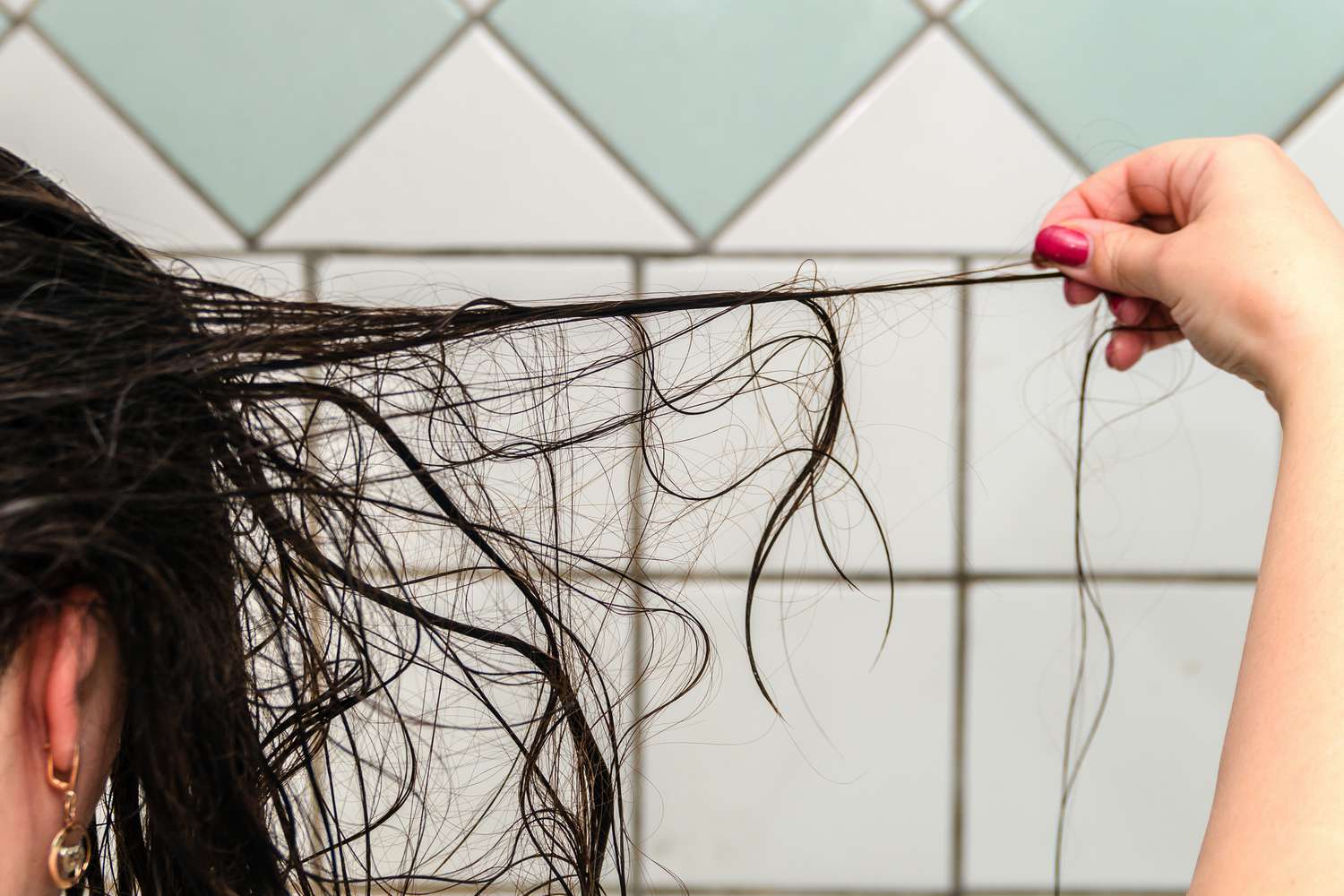
Hair fall is one of the most common problems affecting men and women of all ages. While shedding 50–100 strands daily is normal, excessive hair fall can lead to thinning hair and noticeable hair loss. Understanding the causes and learning how to prevent hair fall can help restore strong, healthy hair.
What Is Hair Fall?
Hair fall refers to excessive shedding of hair due to changes in the hair growth cycle or damage to hair follicles. It may occur suddenly or gradually and can be temporary or long-term depending on the underlying cause.
Common Causes of Hair Fall
✅ 1. Nutritional Deficiencies
Low levels of iron, protein, vitamin D, B12, and zinc weaken hair roots and slow hair growth.
✅ 2. Hormonal Changes
Hair fall commonly occurs during:
- Pregnancy and childbirth
- Menopause
- Thyroid disorders
- Polycystic Ovary Syndrome (PCOS)
✅ 3. Stress & Anxiety
Physical or emotional stress can push hair follicles into a resting phase, causing temporary shedding known as telogen effluvium.
✅ 4. Medical Conditions
Scalp infections, anemia, autoimmune disorders, fever, and chronic illnesses can trigger hair loss.
✅ 5. Bad Hair Care Practices
Frequent heat styling, harsh chemicals, tight hairstyles, and improper washing weaken hair strands.
✅ 6. Genetic Factors
Androgenetic alopecia, commonly called pattern baldness, runs in families and affects both men and women.
Symptoms of Hair Fall
- Hair thinning or increased shedding
- Receding hairline
- Bald patches
- Weak and brittle hair
- Excess hair on pillows or comb
Diagnosis of Hair Fall
A proper diagnosis is essential to treat hair fall effectively. Doctors may recommend:
- Blood tests (Iron, B12, vitamin D, thyroid levels)
- Hormonal screening
- Scalp examination
Early testing helps identify the exact cause and allows for personalized treatment.
Treatment Options for Hair Fall
✅ Nutritional Support
Supplements containing iron, biotin, zinc, and vitamins may be advised based on test results.
✅ Medical Treatment
Doctors may prescribe:
- Minoxidil lotion or foam
- Medicines to manage hormone imbalances
✅ Scalp Care
- Regular scalp cleansing
- Anti-dandruff treatments
- Avoid harsh chemical products
✅ Lifestyle Changes
- Manage stress through exercise or meditation
- Avoid smoking and poor diets
- Get 7–8 hours of sleep
Natural Ways to Reduce Hair Fall
- Apply coconut or castor oil for scalp massage
- Use onion juice or aloe vera gel
- Eat protein-rich foods like eggs, nuts, lentils, and fish
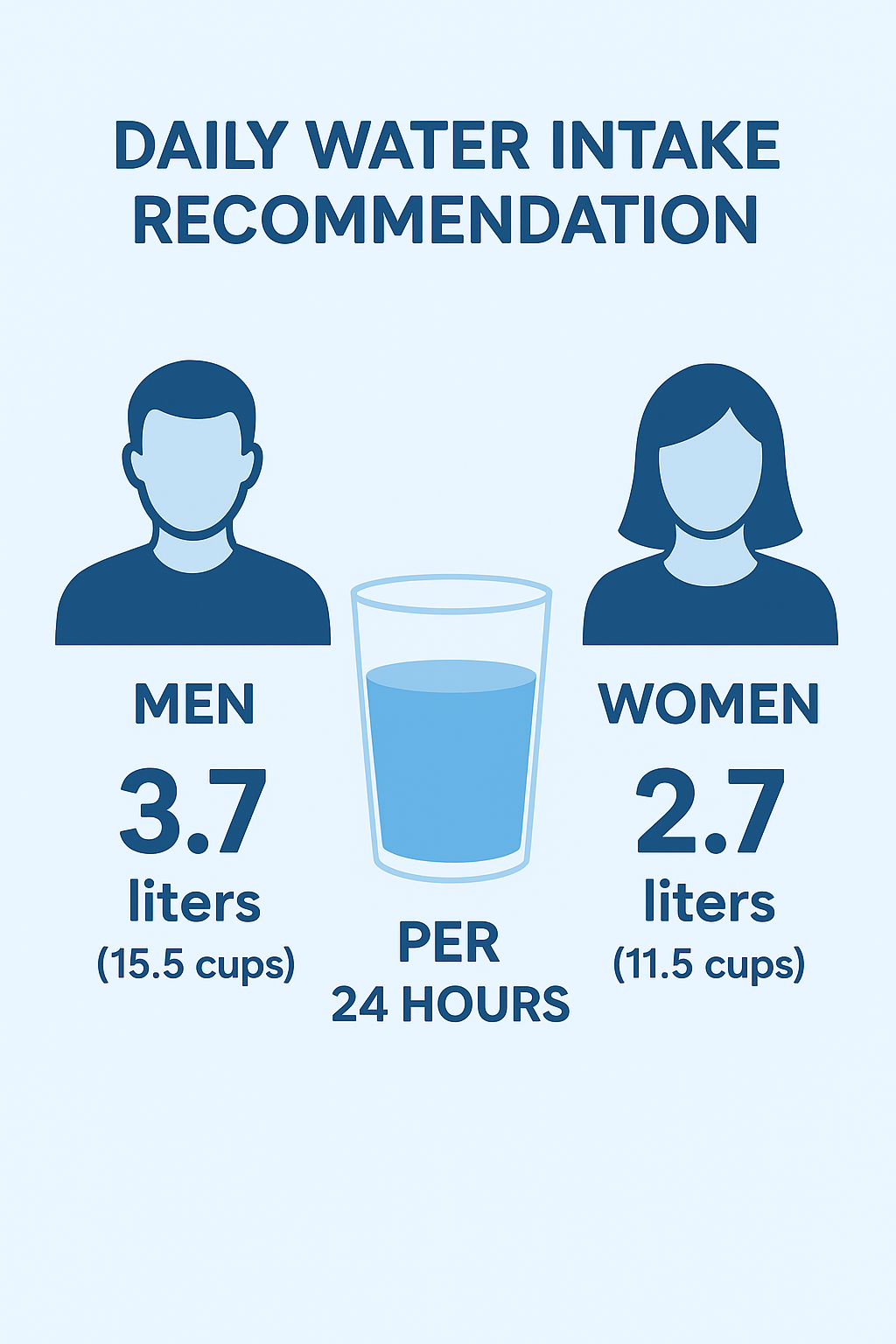
- Drink plenty of water daily
Tips for Preventing Hair Fall
✅ Follow a balanced diet
✅ Avoid tight hairstyles
✅ Use mild shampoos
✅ Do not overuse heat tools
✅ Control stress levels
✅ Seek early medical advice for sudden or severe hair fall
When to See a Doctor?
Consult a healthcare professional if:
- Hair fall is rapid or excessive
- Bald patches appear
- Hair loss follows illness or childbirth
- There is scalp itching or redness
Early treatment prevents permanent hair loss.
Final Words
Hair fall is often treatable when diagnosed early and managed properly. A healthy lifestyle, correct treatment, and proper scalp care play a crucial role in restoring hair strength and confidence.
If you are experiencing persistent hair loss, consider getting professional medical advice and necessary laboratory tests to identify the root cause.