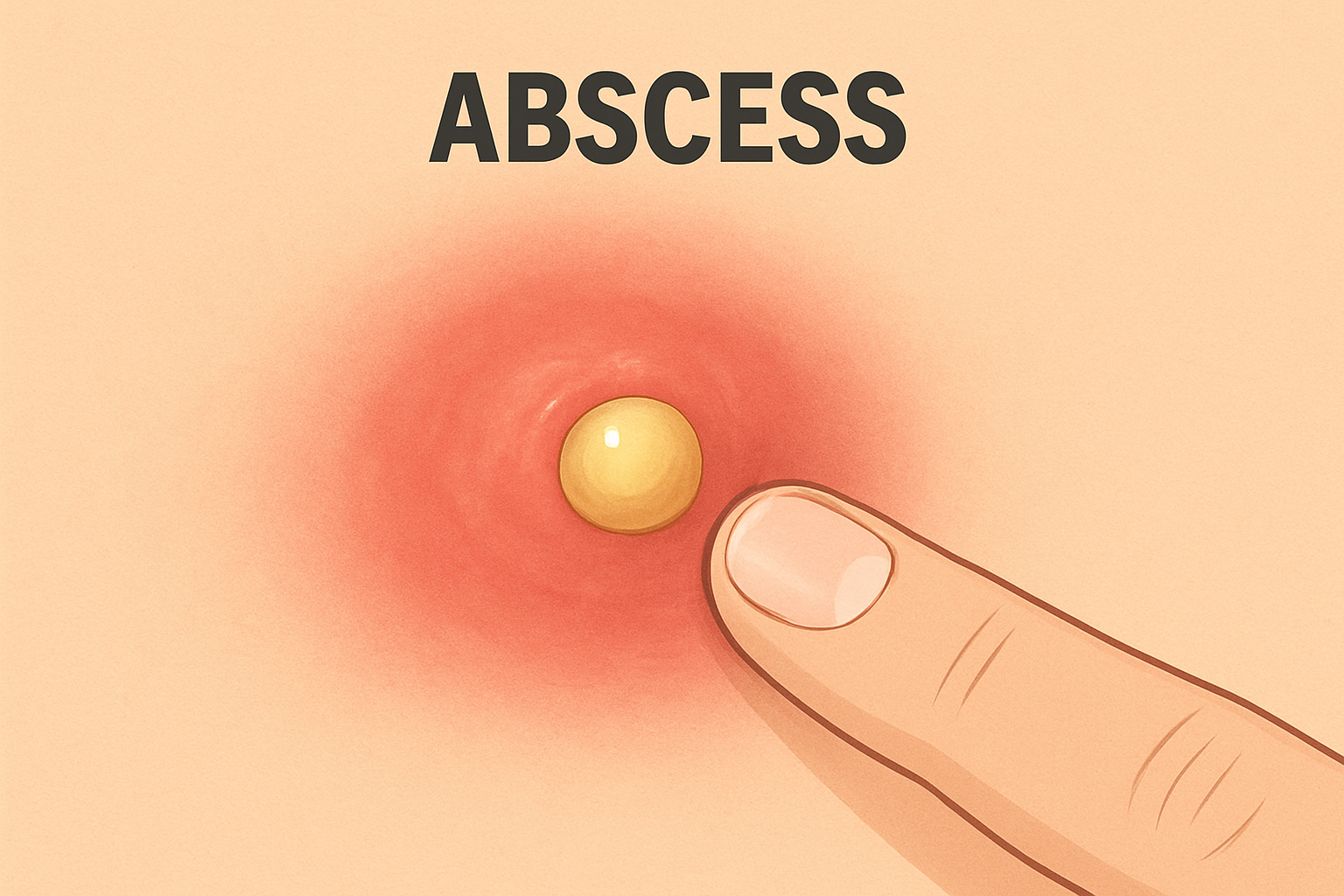
An abscess is a painful collection of pus that forms inside or under the skin due to infection. It can occur anywhere on the body—commonly on the face, armpits, groin, buttocks, or near hair follicles. Abscesses need proper treatment because delaying care can cause the infection to spread deeper into the tissues.
This blog explains the causes, symptoms, risk factors, treatment options, and prevention tips in a simple and SEO-friendly manner.
What Is an Abscess?
An abscess forms when the body tries to fight bacteria or foreign material.
White blood cells gather in the infected area, causing pus formation, which includes:
- Dead cells
- Bacteria
- Inflammatory fluid
Abscesses can be:
- Skin abscesses (boils, carbuncles)
- Internal abscesses (in liver, abdomen, or organs — require medical imaging)
This article focuses on skin abscesses, the most common type.
Causes of Skin Abscess
Abscesses usually develop when bacteria enter through small breaks in the skin.
The most common cause is:
Staphylococcus aureus (Staph bacteria)
Including MRSA, a resistant type of bacteria.
Other causes include:
- Ingrown hair
- Blocked sweat glands
- Blocked oil glands
- Poor hygiene
- Minor cuts, insect bites, or shaving injuries
- Weakened immune system
Symptoms of an Abscess
Common signs include:
- Painful, swollen lump
- Redness and warmth
- Pus-filled center
- Tenderness
- Fever or chills (if infection spreads)
- Skin may feel tight and stretched
As the abscess grows, it becomes softer and may eventually drain on its own.
Who Is More at Risk?
People with these conditions are more likely to develop abscesses:
- Diabetes
- Obesity
- Poor immunity
- Chronic skin diseases
- Living in crowded or humid environments
- Poor hygiene habits
- Frequent shaving or waxing
Treatment of Abscess
1. Warm Compress
Applying warm compresses 2–3 times daily helps increase blood flow and may help small abscesses drain naturally.
2. Medical Drainage (I&D Procedure)
For medium or large abscesses, a doctor must drain the pus.
Do NOT attempt to squeeze it at home — it can spread the infection.
3. Antibiotics
Doctors may prescribe antibiotics if:
- The abscess is large
- There is spreading redness
- Fever is present
- The patient has diabetes or weak immunity
Common antibiotics include:
- Cephalexin
- Amoxicillin-clavulanate
- Clindamycin
- Trimethoprim-sulfamethoxazole (for MRSA)
4. Pain Relief
Paracetamol or ibuprofen helps reduce pain and fever.
When to See a Doctor Immediately
Seek urgent medical attention if you notice:
- High fever
- Rapidly spreading redness
- Abscess near the eye or spine
- Severe pain
- No improvement after 2–3 days
- Recurrent abscesses
- You have diabetes or poor immunity
These cases may require stronger antibiotics or further evaluation.
How to Prevent Abscesses
✔ Maintain proper hygiene
✔ Wash hands regularly
✔ Do not share towels, razors, or personal items
✔ Clean minor cuts immediately
✔ Keep skin dry and clean
✔ Avoid tight clothing
✔ Manage blood sugar if diabetic
✔ Shower after sweating or exercise
✔ Treat skin infections early
Complications if Untreated
An untreated abscess can lead to:
- Spread of infection (cellulitis)
- Formation of multiple abscesses (carbuncle)
- Blood infection (sepsis)
- Deep tissue infection
Prompt care helps avoid these complications.
Conclusion
Abscesses are common, painful infections that require timely treatment. Early recognition, proper hygiene, and medical drainage when needed can speed up healing and prevent complications. Always consult a doctor if the abscess worsens or if you have underlying health conditions like diabetes.