Haemophilus influenzae type b (Hib) is a serious bacterial infection that mainly affects infants and young children but can also cause life-threatening illness in adults with weak immunity. Before the introduction of the H. influenzae vaccine, Hib was a leading cause of meningitis, pneumonia, and sepsis worldwide. Vaccination has significantly reduced these infections and saved millions of lives.
What Is Haemophilus Influenzae?
Haemophilus influenzae is a bacteria that spreads through respiratory droplets. Among its types, type b (Hib) is the most dangerous and responsible for severe invasive diseases, especially in children under five years of age.
What Is the H. Influenzae (Hib) Vaccine?
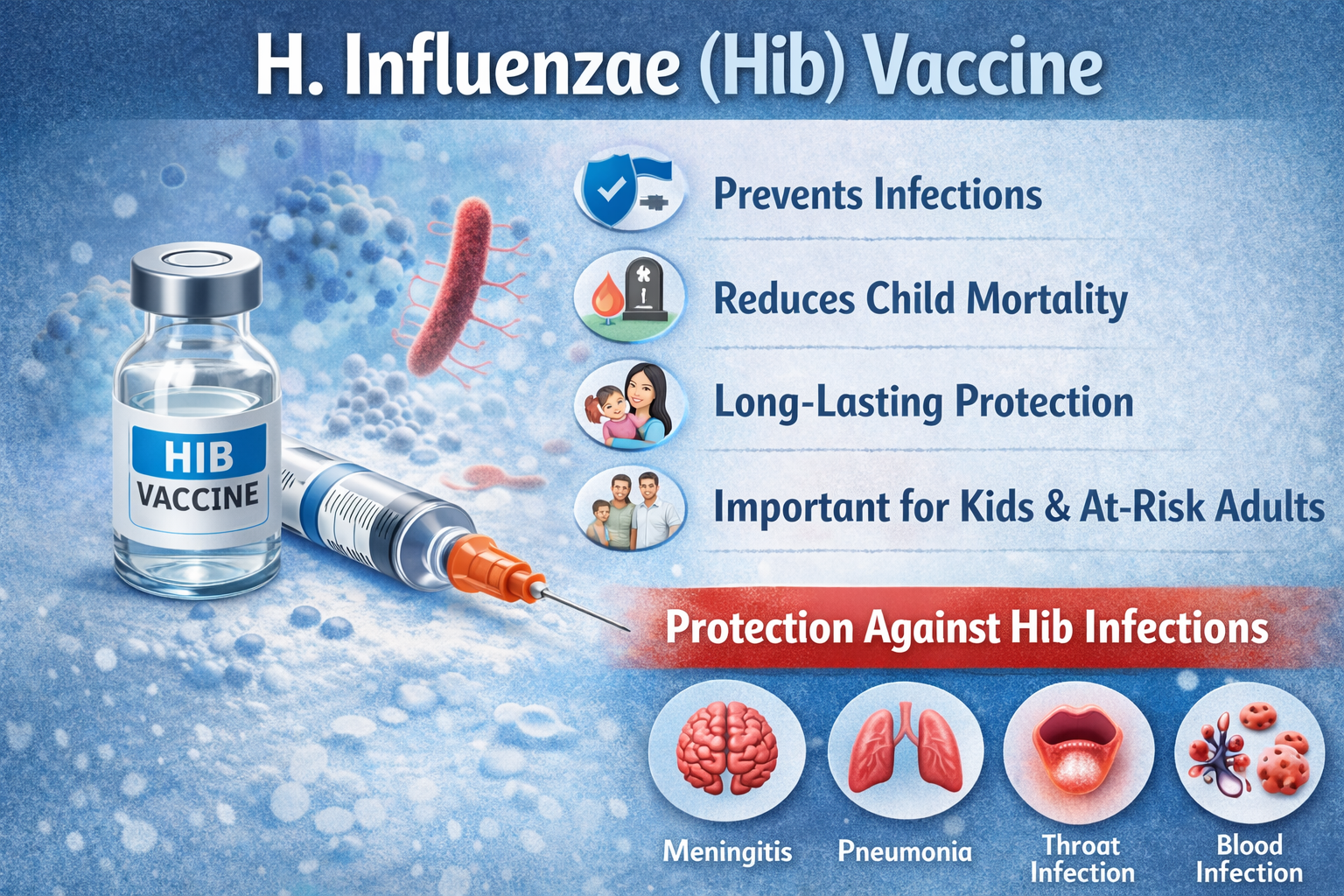
The H. influenzae vaccine, commonly known as the Hib vaccine, is an inactivated (non-live) vaccine that helps the immune system produce antibodies against Hib bacteria. It provides long-lasting protection and is considered very safe.
Diseases Prevented by the Hib Vaccine
The Hib vaccine protects against several serious conditions, including:
- Bacterial meningitis
- Pneumonia
- Epiglottitis (life-threatening throat infection)
- Septicemia (blood infection)
- Joint and bone infections
Who Should Get the Hib Vaccine?
Infants and Children
The Hib vaccine is part of the routine childhood immunization schedule and is strongly recommended for all infants.
Adults at High Risk
Adults may also need the Hib vaccine if they have:
- Diabetes mellitus
- Sickle cell disease
- HIV infection
- Cancer or chemotherapy
- No spleen (splenectomy)
- Weak immune system
Hib Vaccine Schedule
The commonly recommended schedule includes:
- 1st dose: 6 weeks of age
- 2nd dose: 10 weeks
- 3rd dose: 14 weeks
- Booster dose: 12–15 months
(The schedule may vary depending on the vaccine brand and national guidelines.)
Benefits of the H. Influenzae Vaccine
- Prevents life-threatening infections
- Reduces child mortality
- Provides long-term immunity
- Safe and well-tolerated
- Protects vulnerable populations
Safety and Side Effects
The Hib vaccine is very safe. Most side effects are mild and temporary, such as:
- Pain or redness at injection site
- Mild fever
- Irritability in children
Serious side effects are extremely rare.
Importance of Hib Vaccine in Developing Countries
In countries like Pakistan, Hib infections remain a significant cause of childhood illness. Timely vaccination plays a crucial role in reducing hospital admissions, long-term disability, and healthcare costs.
Hib Vaccine and Diabetes or Chronic Diseases
People with chronic illnesses such as diabetes are more prone to infections. The H. influenzae vaccine helps reduce the risk of severe respiratory and bloodstream infections in these patients.
Conclusion
The H. influenzae (Hib) vaccine is a safe, effective, and essential vaccine that protects against serious bacterial infections. Ensuring complete vaccination in children and high-risk adults is a vital step toward preventing avoidable illness and saving lives.