
Epival (Sodium Valproate): Uses, Dosage, Side Effects, and Precautions
Epival is a commonly prescribed medicine used to treat several neurological and psychiatric conditions. It contains Sodium Valproate, a medication…
3 min read

Empowering Healthcare with Trusted Knowledge.
Epival is a commonly prescribed medicine used to treat several neurological and psychiatric conditions. It contains Sodium Valproate, a medication…
Seizures are a common neurological condition that can affect people of all ages. While a seizure can be frightening to…
Tea is one of the most commonly consumed beverages worldwide. Many people habitually take their medicines with tea without realizing…
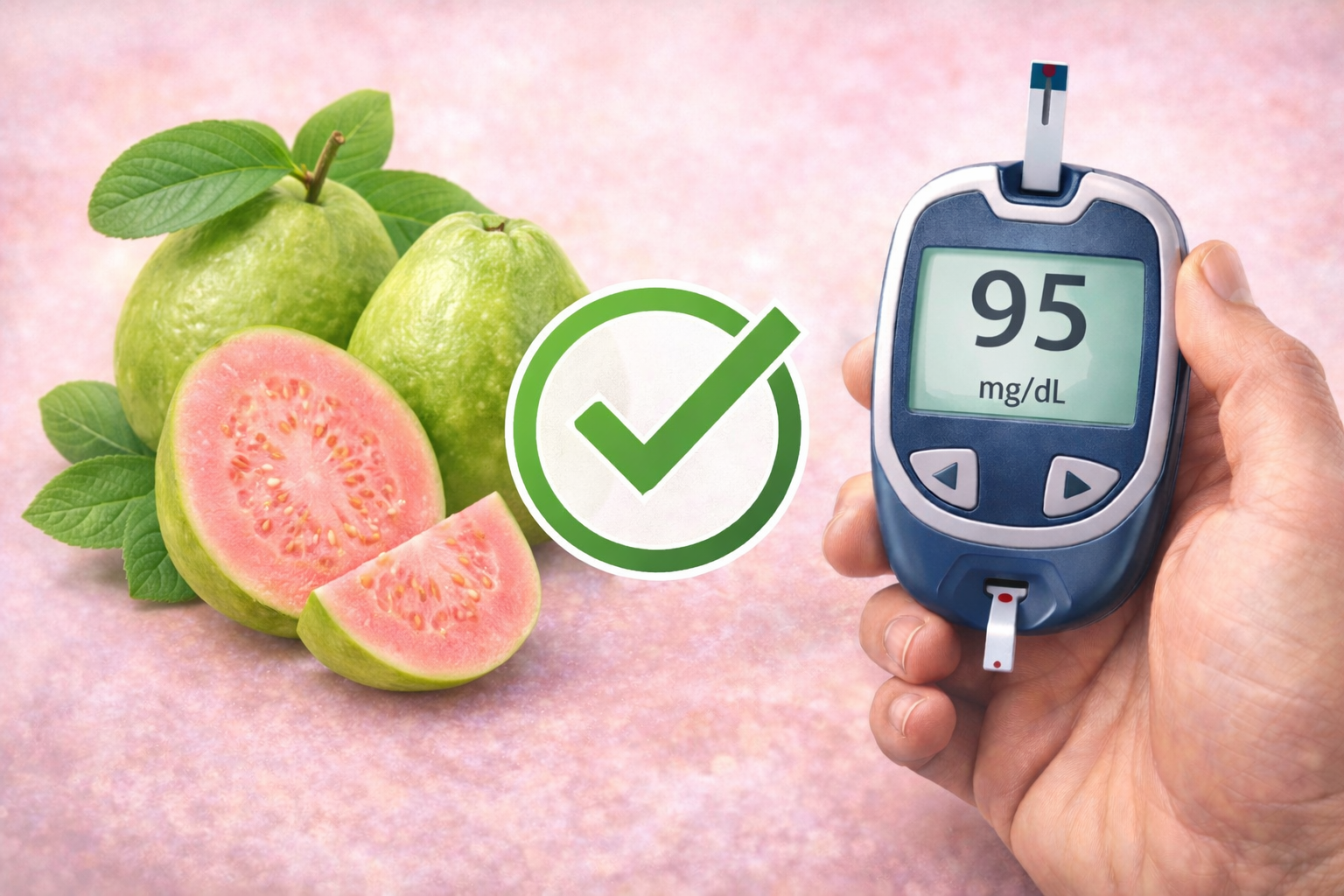
Guava is a popular tropical fruit known for its rich nutritional value and pleasant taste. Many people with diabetes often…
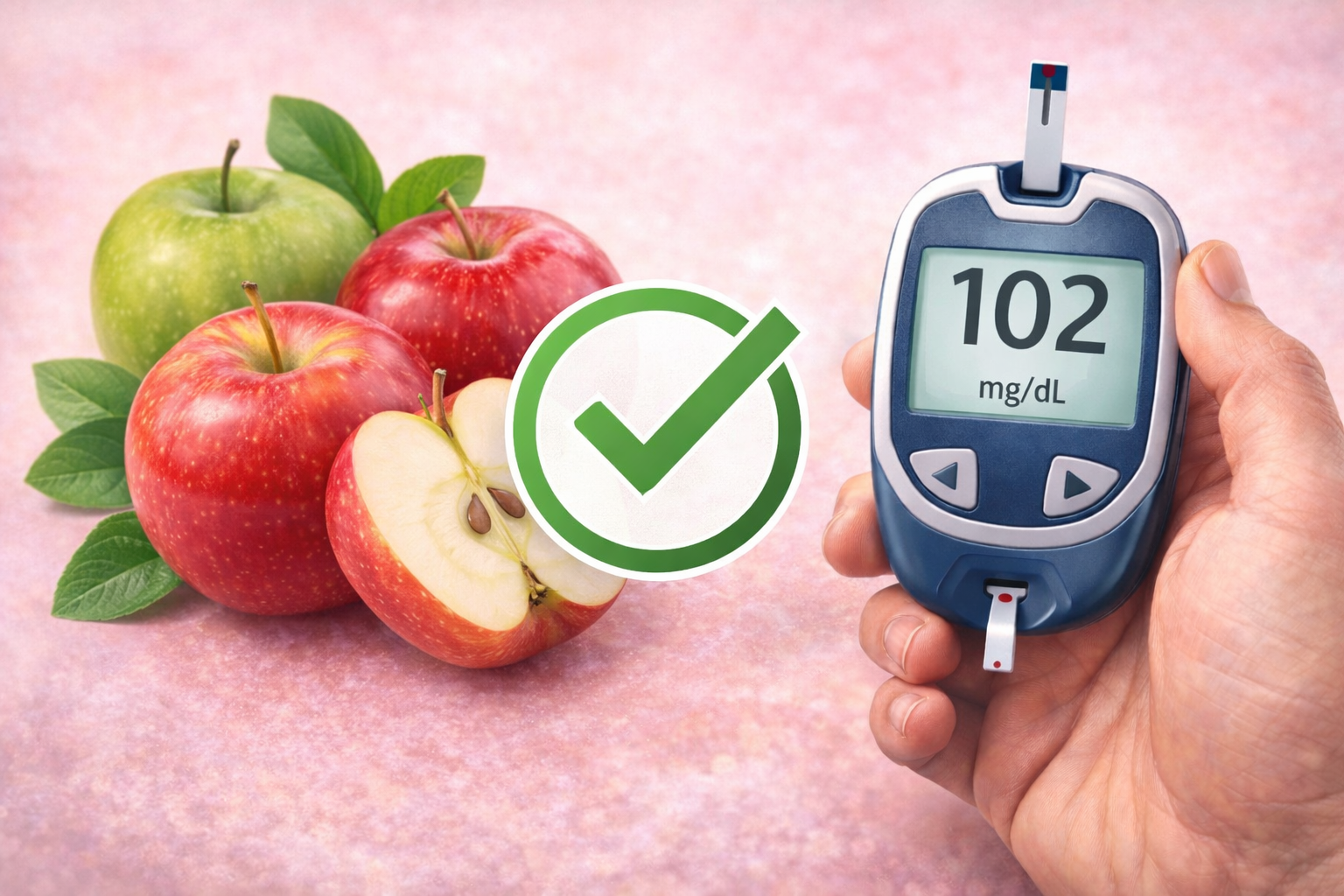
Apples are among the most commonly consumed fruits worldwide and are often praised for their health benefits. However, many people…
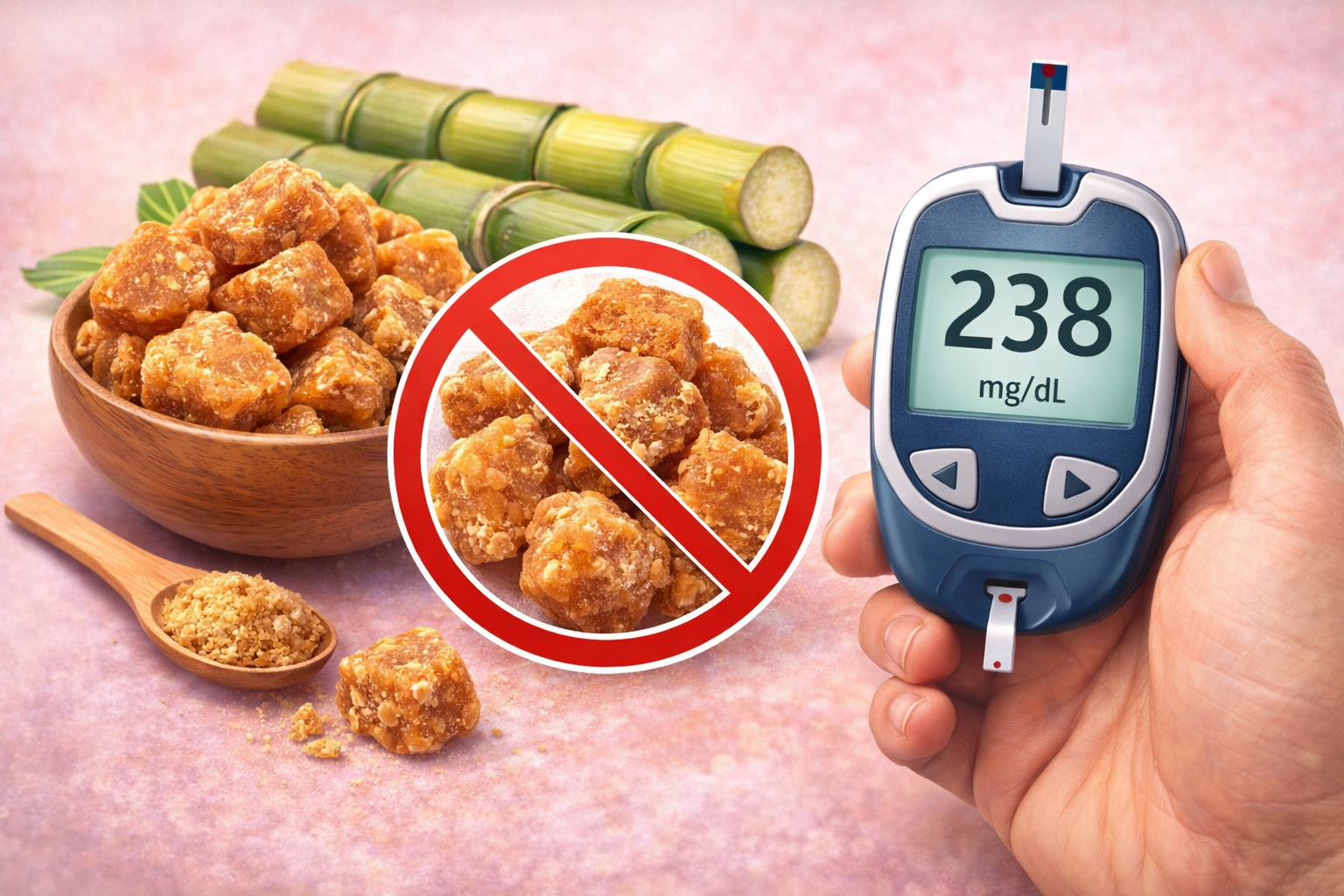
urh, also known as jaggery, is a traditional natural sweetener widely used in South Asia. Many people believe that gurh…
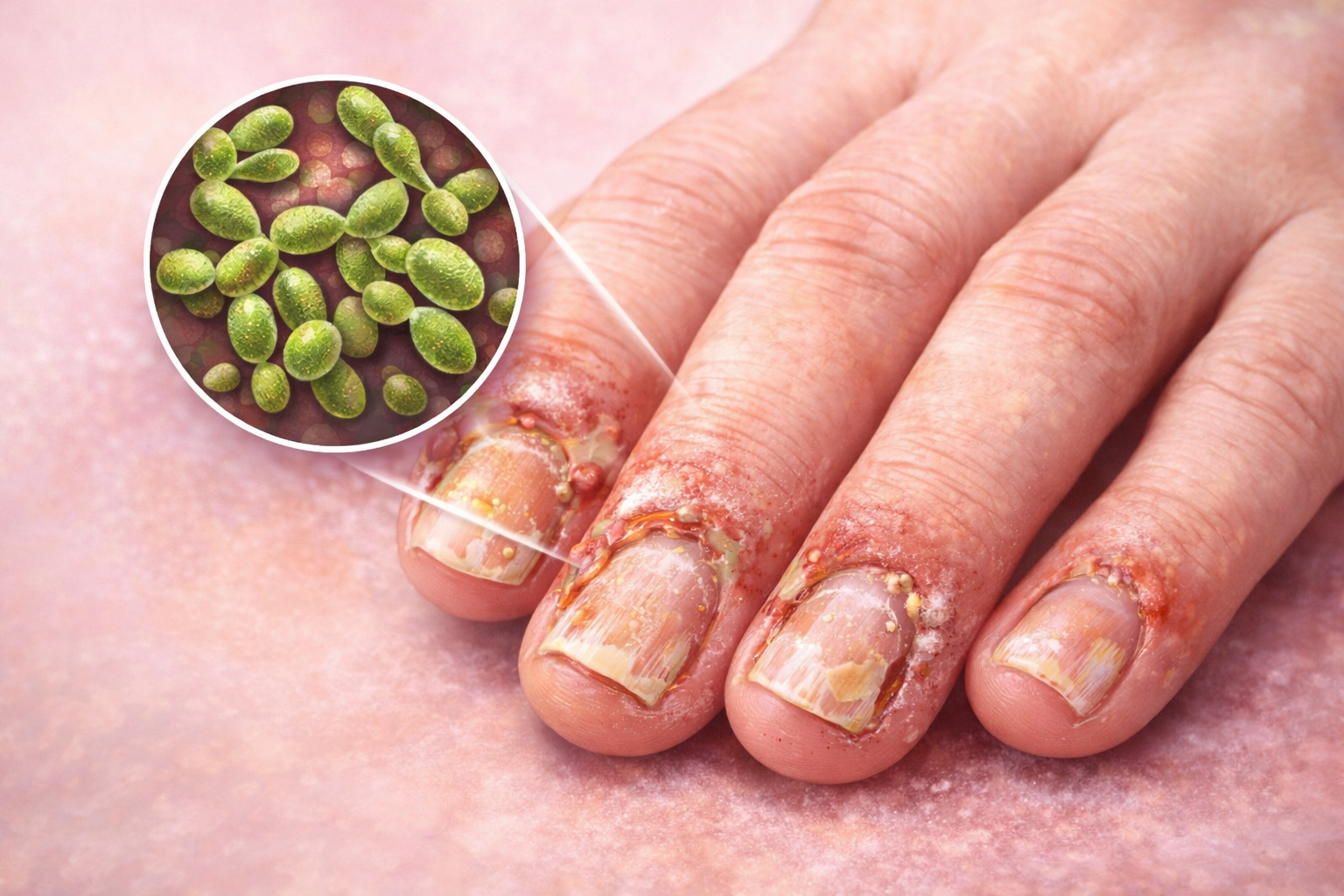
Nail candidiasis is a fungal infection of the fingernails or toenails caused by Candida species, most commonly Candida albicans. Unlike…
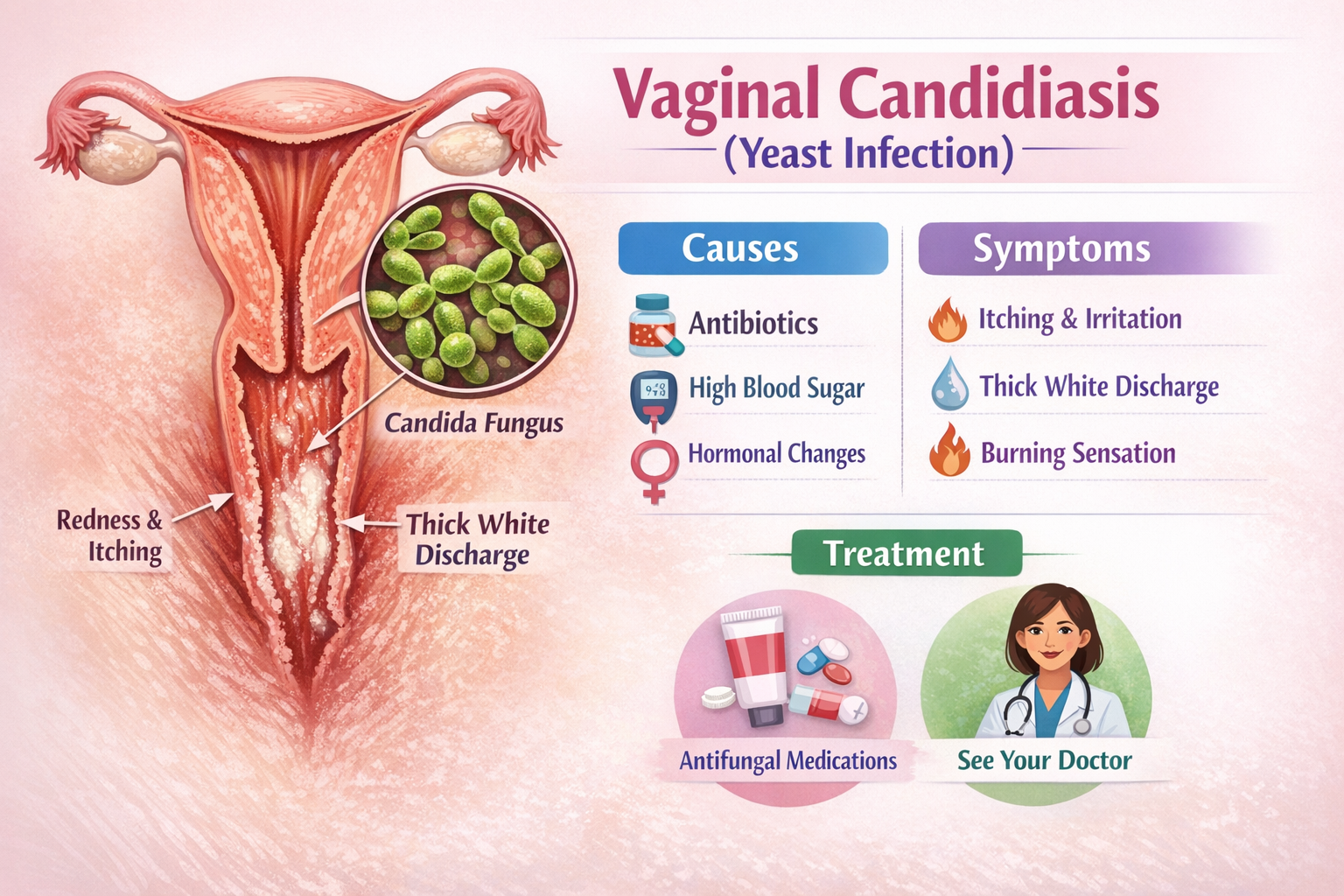
Vaginal candidiasis, commonly known as vaginal yeast infection, is a frequent fungal infection affecting women of all ages. It is…
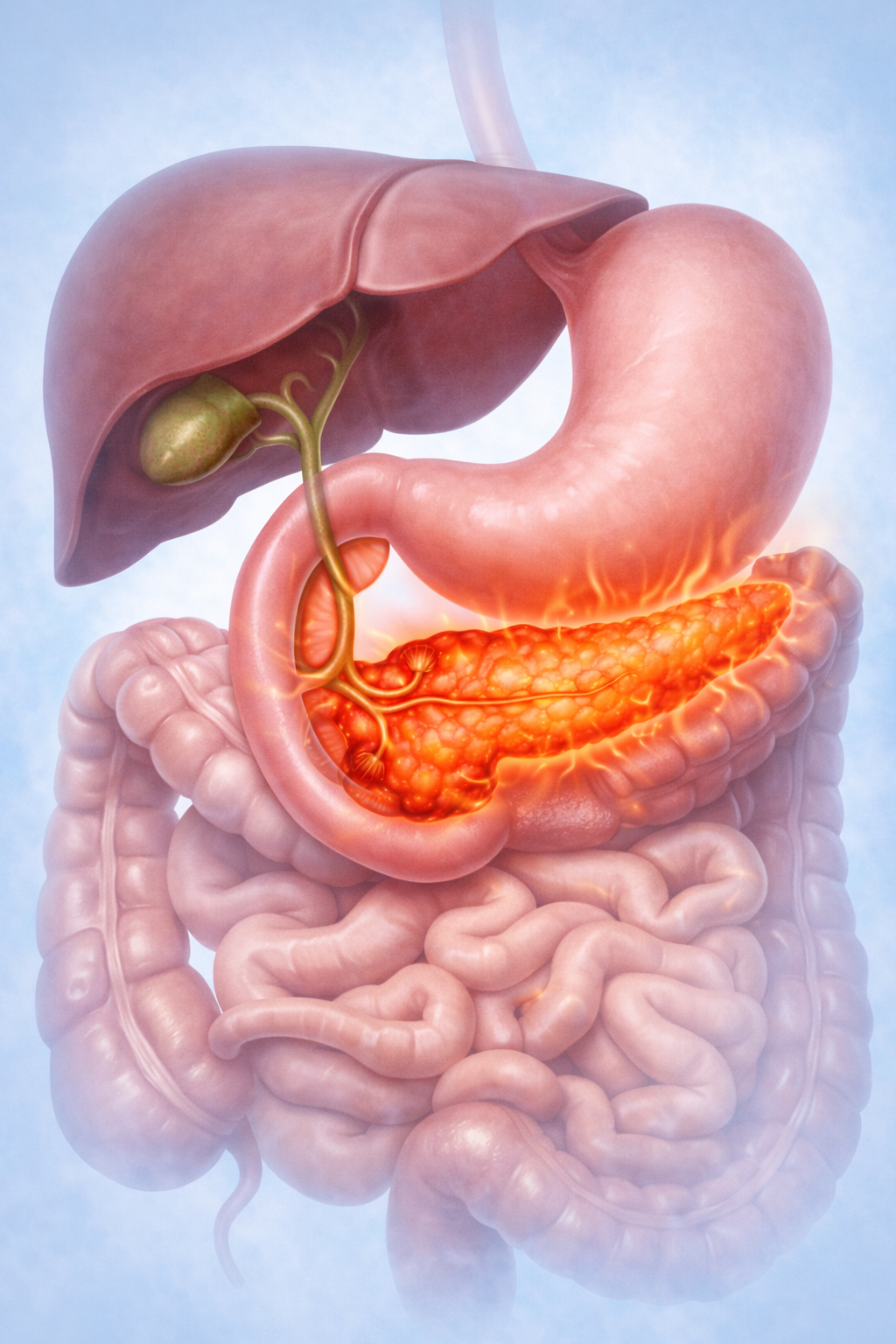
Acute abdomen refers to sudden, severe abdominal pain that requires urgent medical attention. It is not a disease itself but…
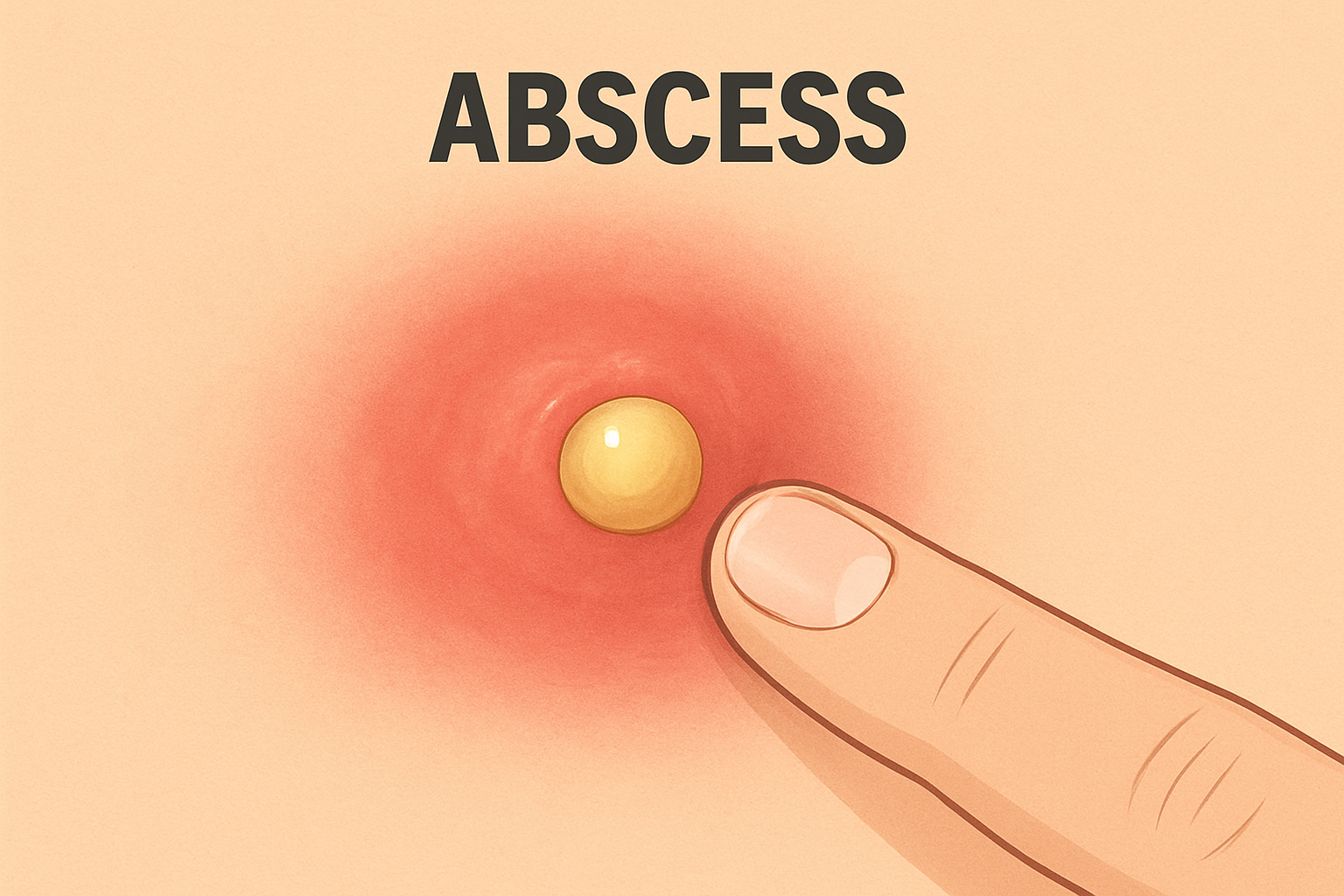
An abscess is a painful collection of pus that forms inside or under the skin due to infection. It can…